Trump's Beijing Summit
Trump seeks gains on Iran, Taiwan, and trade in Beijing.
Model Diplomat3 min readAsia
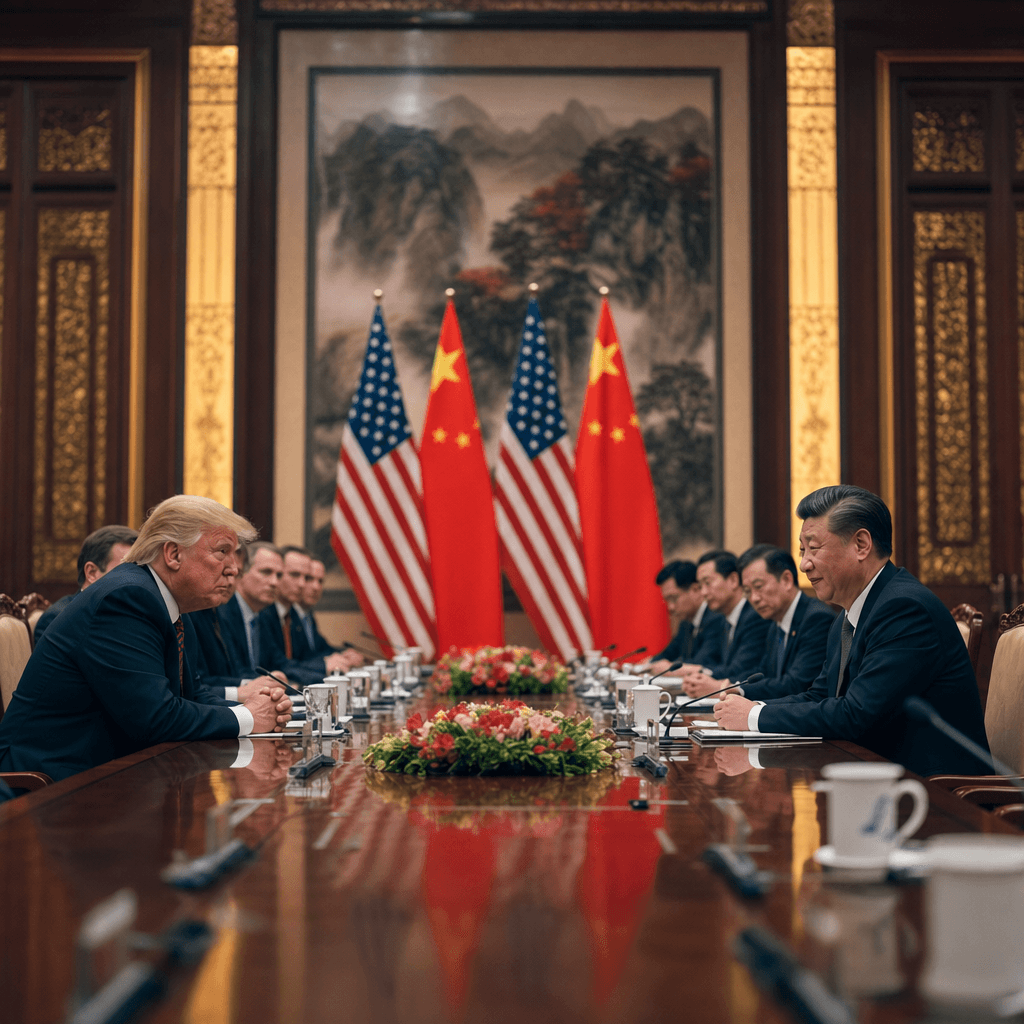
Xi Holds the Stronger Hand as Trump Enters Beijing
Trump wants a summit payoff on Iran, Taiwan and trade; Xi can offer little, extract a lot, and make Washington look impatient if talks stall.
Donald Trump is heading into Beijing for a two-day summit with Xi Jinping on Wednesday with fewer options than leverage. The trip was delayed by Trump’s attack on Iran and cut short, while the White House is still trying to use China’s influence with Tehran to steady the Strait of Hormuz and preserve room for talks, according to The Guardian and
The Washington Post/AP. Xi, by contrast, gets the easier political posture: host the first U.S. presidential visit to China in nearly a decade, present Beijing as indispensable on Iran, and force Trump to show whether he can produce concrete gains on trade or Taiwan,
The Guardian reports.
Iran is the immediate trap
The Iran file is the most volatile because it links military pressure to summit optics. Washington is pressing Beijing to lean on Tehran to reopen the Strait of Hormuz, while Chinese foreign minister Wang Yi has been in contact with Iranian counterparts as Beijing expands its diplomatic role in the war, AP reports. That gives Xi a useful card: he can position China as a stabilizer without paying much cost. Trump, meanwhile, needs movement fast. If Beijing does not visibly help, the summit becomes proof that U.S. coercion has limits — exactly the opposite of what Trump wants to project.
The gain from that dynamic goes to Xi and, indirectly, Tehran. The loss falls on Trump’s negotiating hand, because any public appeal for Chinese help also underlines how dependent Washington is on a rival power to contain a crisis it helped intensify.
Taiwan and trade are the second and third pressure points
Taiwan is the strategic red line Xi is most likely to use to test Trump. NPR reported that Xi has already used contact with Taiwan’s opposition to press a “peace” frame ahead of the summit, while Taiwan’s president Lai Ching-te is trying to push a $40 billion, eight-year defense package through a divided legislature. That matters because Beijing does not need a breakthrough in Beijing to gain advantage; it only needs to deepen doubt in Taipei about U.S. reliability.
Trade is the more transactional battlefield, but not the less important one. China’s exports rose 14.1% in April despite higher U.S. tariffs, signaling that Beijing can absorb some pressure and still bargain from strength, The Washington Post/AP reported. That leaves Trump with a familiar problem: tariffs can punish, but they do not automatically produce a deal. For readers following
Global Politics and
United States, the key point is that this summit is less about grand bargain-making than about whether either side can avoid a visible concession.
What to watch next
The next decision point is the Wednesday meeting itself: whether Trump and Xi leave with any joint language on Iran, any pause on tariff escalation, or any ambiguity on Taiwan that both sides can sell at home. The real test is not the photo-op; it is whether Beijing uses the summit to delay U.S. pressure while Washington walks away with nothing more than a promise to keep talking.
Discover more
Conflict & Security
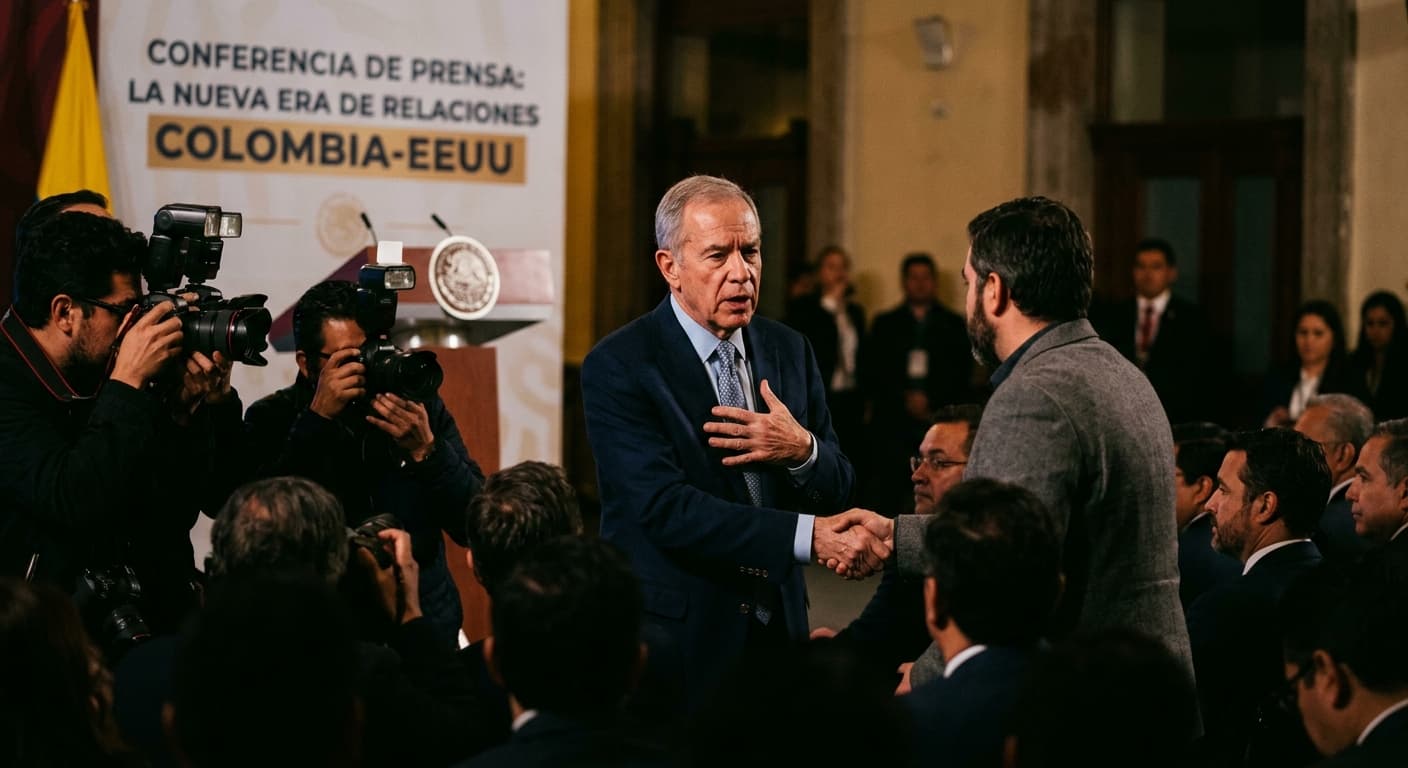
De la Espriella's Razor Win Resets US-Colomb
De la Espriella's razor-thin election win signals a reset in US-Colombia relations, reshaping security ties and the agenda under a Trump-aligned approach.
International Relations
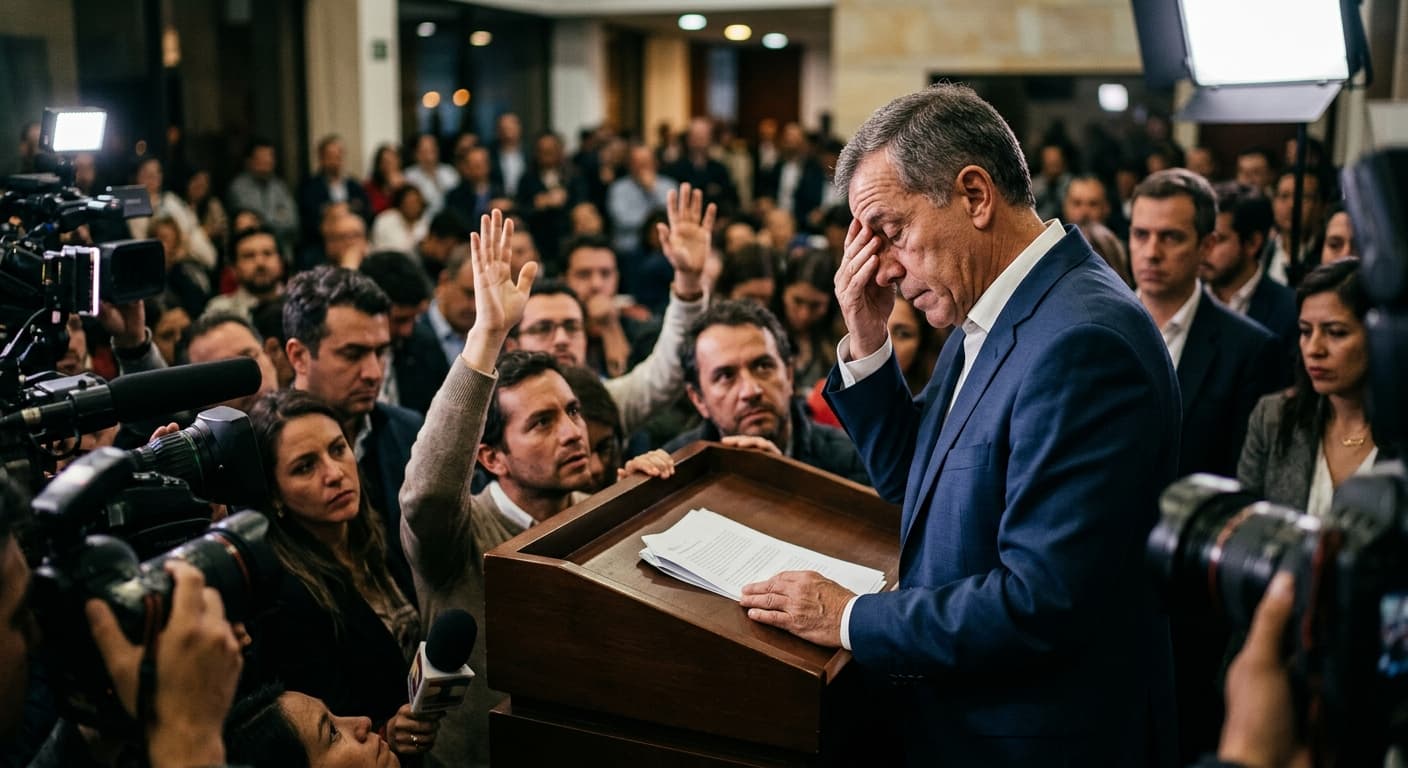
Colombia's Razor-Thin Rightward Pivot
Colombia swings right as Abelardo de la Espriella narrowly wins the presidential runoff by under one percent, exposing a deeply divided and polarized nation.
Global Politics
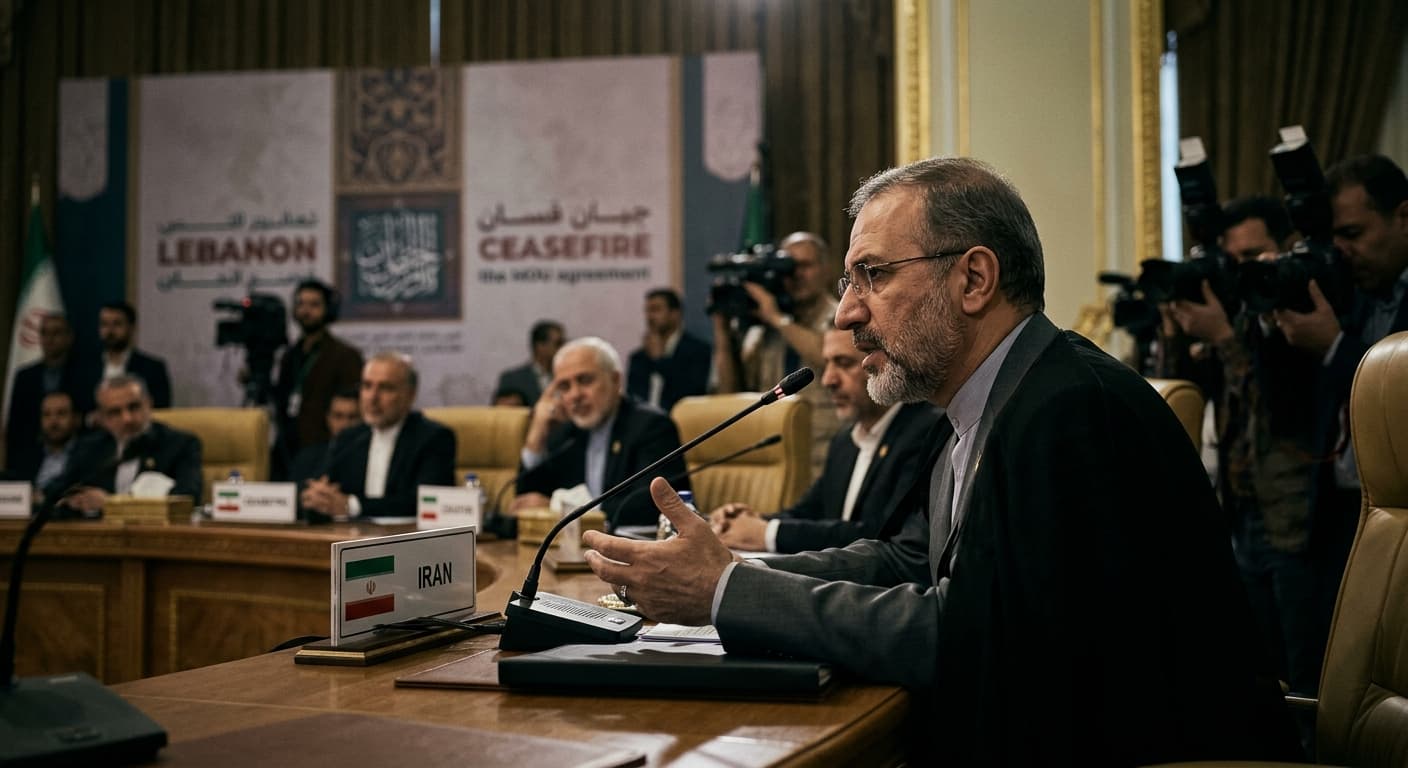
Iran Demands US Enforce Ceasefire
Iran insists the United States must enforce a ceasefire in Lebanon to uphold the memorandum of understanding, raising pressure on Washington and Netanyahu.

Conflict & Security
Trump's Iran Deal Faces Bipartisan Backlash
Trump's Iran deal draws fierce criticism from both Republicans and Democrats, exposing deep political divides over the ceasefire and the terms of the agreement.