Trump White House Ballroom Construction Green
Court allows construction to proceed pending June hearing
Model Diplomat2 min readUnited States
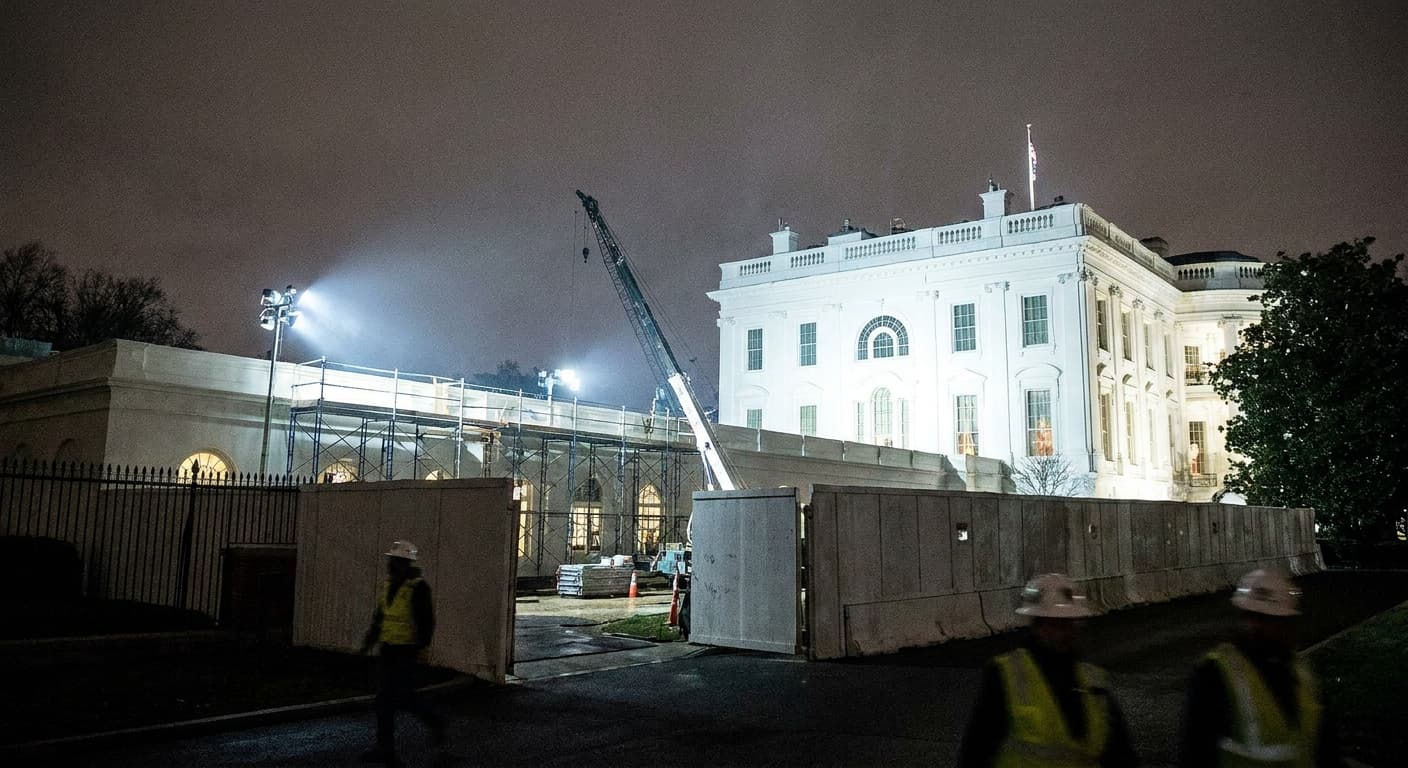
Appeals Court Greenlights Trump White House Ballroom Construction
DC Circuit court temporarily overruling a lower court stays White House ballroom halt, allowing construction pending June 5 hearing.
A federal appeals court on April 18 reversed a U.S. District Judge’s injunction that had halted construction of the Trump family’s proposed ballroom addition atop the White House Executive Residence. The U.S. Court of Appeals for the D.C. Circuit granted a temporary stay, permitting the above-ground construction to proceed while the June 5 hearing will review whether the project violates historic preservation laws or other regulations.
Why the Legal Battle Over the Ballroom?
The ballroom plan, a significant modification atop the historic Executive Residence, has sparked legal challenges centered on preservation and procedural concerns. Judge Richard Leon’s lower court ruling paused construction pending resolution, asserting that the plan may lack necessary approvals under the National Historic Preservation Act. Preservationists argue the addition threatens the architectural integrity of the White House, a National Historic Landmark.
The Trump family’s legal team contends that all proper permits and reviews were conducted, emphasizing the project’s limited scope and compliance. The appeals court’s stay arguably reflects a judicial inclination to avoid irreparable harm to the construction timeline before a full review, balancing preservation interests against administrative and property rights.
Broader Implications for White House Modifications
This case highlights the often overlooked legal frameworks governing changes to one of America’s most symbolically charged buildings. The White House is both a living residence and a historic site with layers of controls from federal preservation statutes, local D.C. regulations, and Secret Service security protocols. The court’s decision underscores tensions between private property owners—even presidential families—and preservationist mandates.
Moreover, this ruling could set precedent affecting future modifications to federal landmarks, clarifying the latitude owners have before courts weigh in. It also reflects a judiciary possibly sensitive to political dimensions surrounding the Trump family, given their prominence and ongoing legal entanglements.
What to Watch Next
The pivotal June 5 appellate hearing will be the moment to watch. It will likely delve into procedural compliance, interpret preservation statutes, and assess if the appealed stay was appropriate or if the injunction should be reinstated. The outcome may delay or accelerate the completion of the ballroom project and influence how historic preservation laws are applied to high-profile federal properties.
Further fallout could emerge politically, as White House alterations rarely occur without public scrutiny given their symbolic resonance. Legal teams and arguably policymakers will monitor whether future White House renovations require more rigorous pre-construction legal vetting to avoid protracted battles.
This dispute ties into a broader dialogue about stewardship of national symbols versus private influence, a theme that resonates well beyond just the ballroom walls.
For further understanding of US political legal battles and federal landmark oversight, see US Politics and
International Law & Institutions.
Discover more

Conflict & Security
De la Espriella's Razor Win Resets US-Colomb
De la Espriella's razor-thin election win signals a reset in US-Colombia relations, reshaping security ties and the agenda under a Trump-aligned approach.
International Relations
Colombia's Razor-Thin Rightward Pivot
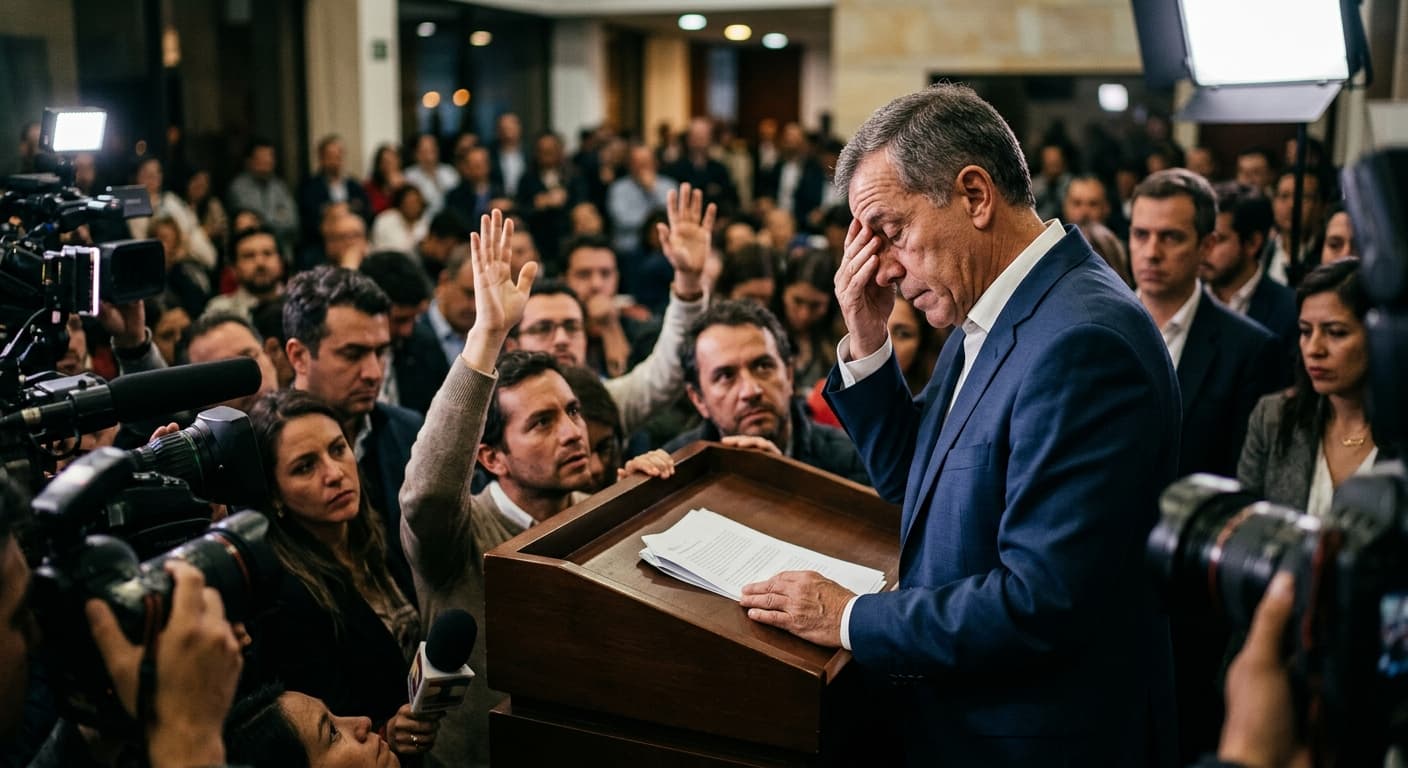
Colombia swings right as Abelardo de la Espriella narrowly wins the presidential runoff by under one percent, exposing a deeply divided and polarized nation.
Global Politics
Iran Demands US Enforce Ceasefire
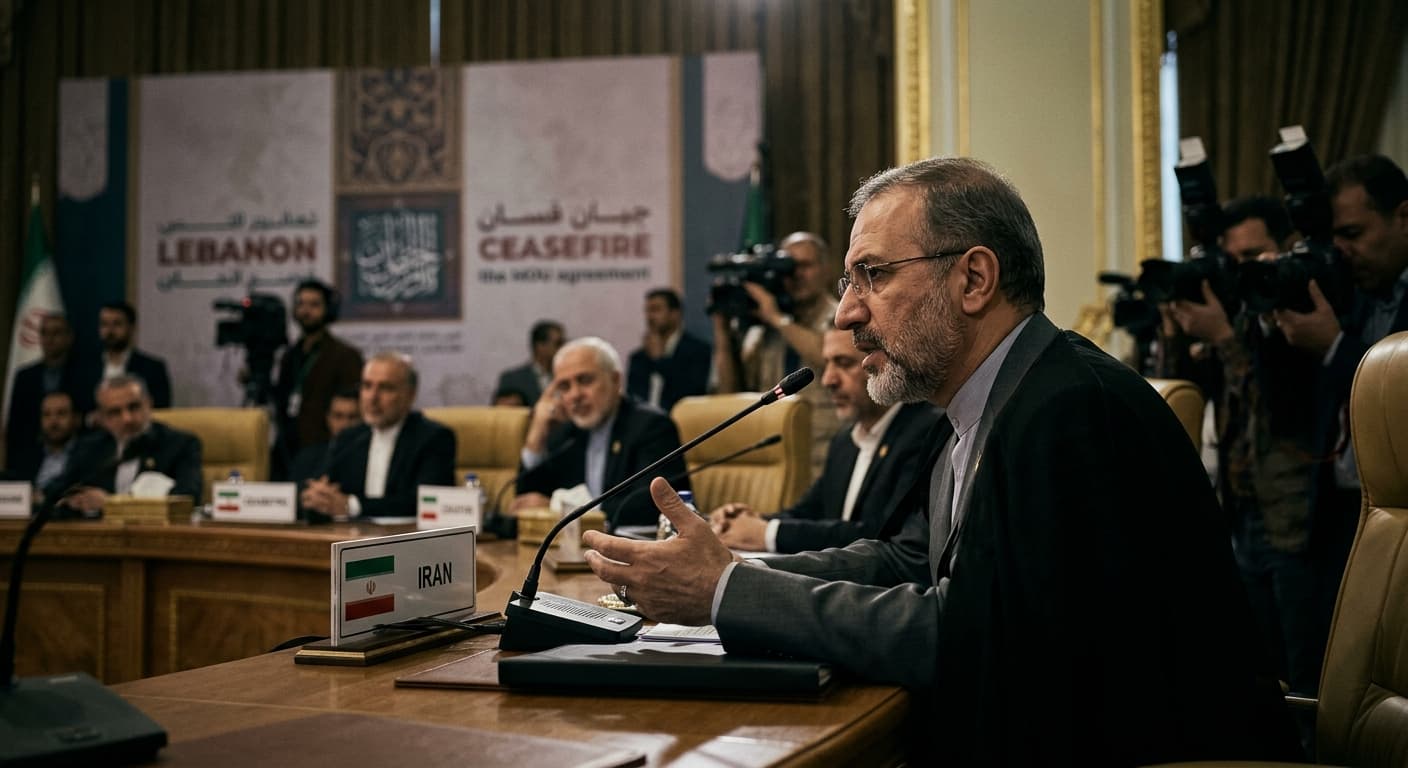
Iran insists the United States must enforce a ceasefire in Lebanon to uphold the memorandum of understanding, raising pressure on Washington and Netanyahu.

Conflict & Security
Trump's Iran Deal Faces Bipartisan Backlash
Trump's Iran deal draws fierce criticism from both Republicans and Democrats, exposing deep political divides over the ceasefire and the terms of the agreement.