Hegseth Vows SCOTUS Battle After Court Blocks Transgender Troop Discharges
The DC Circuit's split decision halts active-duty transgender discharges but permits enlistment bans, setting up a high-stakes Supreme Court showdown over executive military authority.
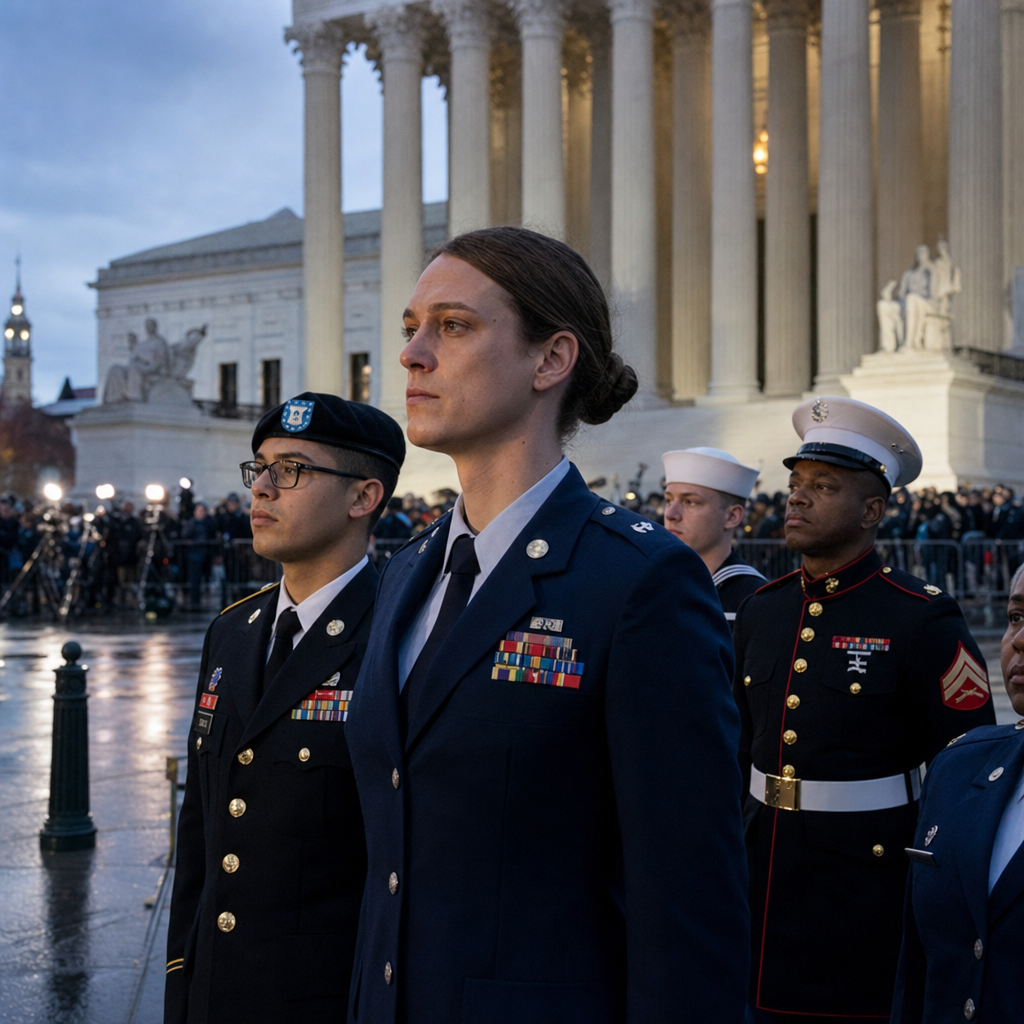
A divided federal appeals court on Monday struck a blow to the Pentagon’s aggressive purge of transgender service members, ruling that the Trump administration’s active-duty ban is unconstitutional. The split decision by the D.C. Circuit Court of Appeals halts the forced separation of currently serving transgender personnel, though it allows the administration to block new transgender recruits from enlisting. Defense Secretary Pete Hegseth immediately signaled his intent to fight the ruling, posting "See you at SCOTUS" on social media. This legal setback directly challenges the administration's sweeping overhaul of military personnel policy, forcing the combatant parties to brace for a definitive showdown before a Supreme Court that has historically favored executive military deference.
Executive Authority Meets Equal Protection
The D.C. Circuit’s ruling, as detailed by  Al Jazeera, reveals a deeply fractured judiciary struggling to define the boundaries of commander-in-chief authority. Writing for the majority, Judge Robert Wilkins argued that the Pentagon's policy "appears to be driven by the bare desire to harm a politically unpopular group," violating constitutional equal protection guarantees. However, the court did not hand a total victory to advocates; it partially lifted a lower-court injunction, allowing the Pentagon to continue banning transgender individuals from the enlistment process. In dissent, Judge Justin Walker, a Trump appointee, argued that the judiciary lacks the authority to second-guess the military, maintaining that the executive branch possesses exclusive constitutional authority over troop readiness.
Hegseth's "War on DEI" Hits a Legal Wall
For Defense Secretary Pete Hegseth, the ruling represents an institutional speedbump in a highly structured campaign to strip the military of woke ideology. Since taking office in 2025, Hegseth has pursued an aggressive personnel purge, using previous military medical records to identify and discharge an estimated 4,000 active transgender troops, according to reporting by  NPR. This policy went further than the first Trump administration's restrictions by removing exceptions for those with diagnosed gender dysphoria—effectively turning the medical paperwork troops once used to secure their positions into a basis for administrative discharge. While Hegseth argues these separations are vital for unit cohesion and mission readiness, critics and military veterans warn that purging thousands of trained personnel degrades military effectiveness at a time when the
  United States faces an increasingly volatile global strategic landscape.
The Next Moves and the SCOTUS Showdown
The critical decision point to watch next is when the Department of Justice formally files its petition for writ of certiorari to the U.S. Supreme Court. In May 2025, the Supreme Court signaled its leanings by allowing the administration's ban to temporarily take effect while lower-court litigation proceeded, as noted by NPR. Armed with a solid 6-3 conservative majority, the high court is widely expected to view the case through the lens of national security deference rather than identity-based discrimination. Until the high court rules, the split decision creates an operational headache for the Pentagon, which must halt ongoing active-duty discharges while maintaining its prohibition on new transgender recruits. If the Supreme Court takes the case next term, the ultimate ruling will not just decide the fate of transgender troops, but will consolidate unprecedented executive command over military personnel management.