No Trust in Trump’s Sudden Retreat on $1.8B Slush Fund
Senate Democrats push legislation to permanently outlaw President Trump's controversial compensation program, capitalizing on deep bipartisan anger.
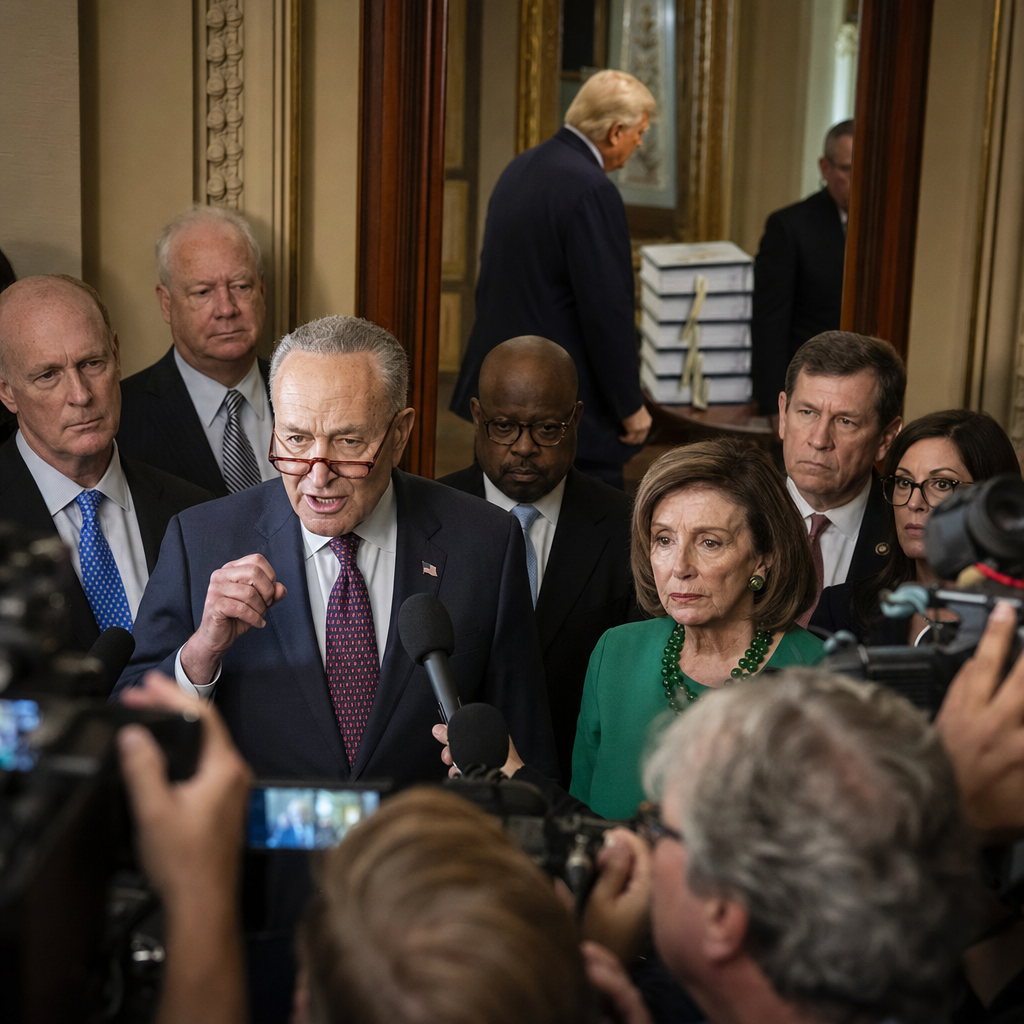
Senate Democrats are moving swiftly to lock in a legislative ban on the Trump administration’s proposed $1.8 billion “anti-weaponization” fund, refusing to take the White House’s sudden retreat at face value. Following intense resistance from both sides of the aisle and a series of legal defeats, Acting Attorney General Todd Blanche told a House subcommittee on June 2 that the Justice Department would scrap the program, stating bluntly: "We are not moving forward with the fund. Period." as reported by  Al Jazeera. Yet, Senate Minority Leader Chuck Schumer and his caucus are keeping their foot on the gas, introducing a bill to structurally outlaw any such compensation scheme via
  US Politics processes. The Democrats' maneuvers are designed to force vulnerable Senate Republicans to go on the record, preventing the administration from quietly reviving the fund through executive action later.
Structural Bypasses and Bipartisan Fury
The $1.776 billion fund—a nod to the 250th anniversary of American independence—was originally birthed out of a highly unusual IRS settlement. It was created to end Donald Trump's personal $10 billion lawsuit against the tax agency over the leak of his tax filings, according to the  BBC. By drawing from the Justice Department's standing judgment fund, the administration attempted to avoid the traditional congressional appropriations process altogether. This executive end-run is what ultimately united progressives and fiscal conservatives against the plan. Congress’s primary legislative leverage has always been the power of the purse, and senior Republicans saw this maneuver as a direct threat to their institutional authority.
While the Justice Department insisted the program was a non-partisan mechanism to compensate victims of "lawfare" and unfair political targeting, the potential list of beneficiaries triggered immediate alarms. Acting Attorney General Blanche pointedly refused to rule out payouts for individuals prosecuted for assaulting officers during the January 6 Capitol riot, sparking fierce denunciations. High-profile Republicans quickly joined the criticism, with North Carolina Senator Thom Tillis calling the plan "stupid on stilts," and former Vice President Mike Pence calling the prospect of compensating Capitol rioters "deeply offensive," as detailed by the BBC. To register their anger, Senate Republicans even stalled a critical $72 billion border enforcement bill, effectively paralyzing Trump’s signature immigration initiatives to force a retreat on the fund.
Striking While the White House is Down
Democrats are seizing on this moment of executive vulnerability to push their bill because the fund’s legal foundations are crumbling. Just days before Blanche's announcement, US District Judge Leonie Brinkema temporarily blocked the program in response to lawsuits brought by watchdog groups and police officers, scheduling a crucial preliminary hearing for June 12, according to Al Jazeera. The new Democratic bill aims to codify this judicial freeze into permanent statute, stripping the executive branch of its ability to settle personal executive disputes using general treasury funds.
By demanding a legislative vote, Democrats are placing Senate Majority Leader John Thune in a tight political spot. Thune, who publicly stated he was "not a big fan" of the scheme, must now choose between shielding a retreating president or protecting the Senate's oversight authority. If the Democratic bill reaches the floor, it will likely draw enough Republican defections to pass, signaling a rare and sharp recalibration of power in Washington’s Global Politics landscape.
What to Watch Next
The next crucial point of friction will be whether congressional leaders extract written legislative concessions before releasing the $72 billion in immigration funds. While Blanche declared the fund dead, Trump's Justice Department has refused to put that commitment in writing. Watchdogs will also monitor the June 12 preliminary federal court hearing, which will determine if Judge Brinkema issues a formal, long-term injunction.