Trump and Xi
Exploring the dynamics of U.S.-China trade negotiations
Model Diplomat3 min readAsia
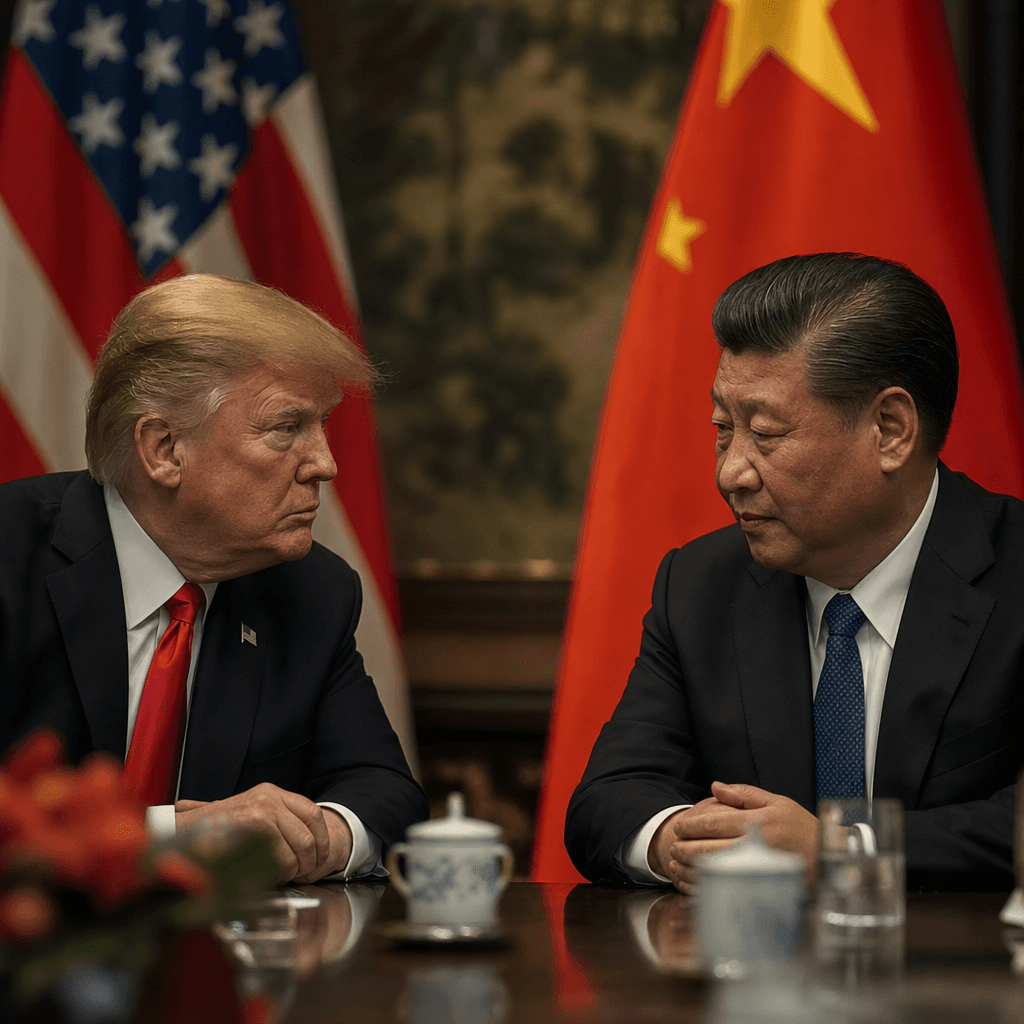
Trump Wants Stability From China — Xi Holds the Leverage
Tariffs have stopped working as pressure; Washington is now looking for managed trade, rare-earth access, and a summit it can call successful.
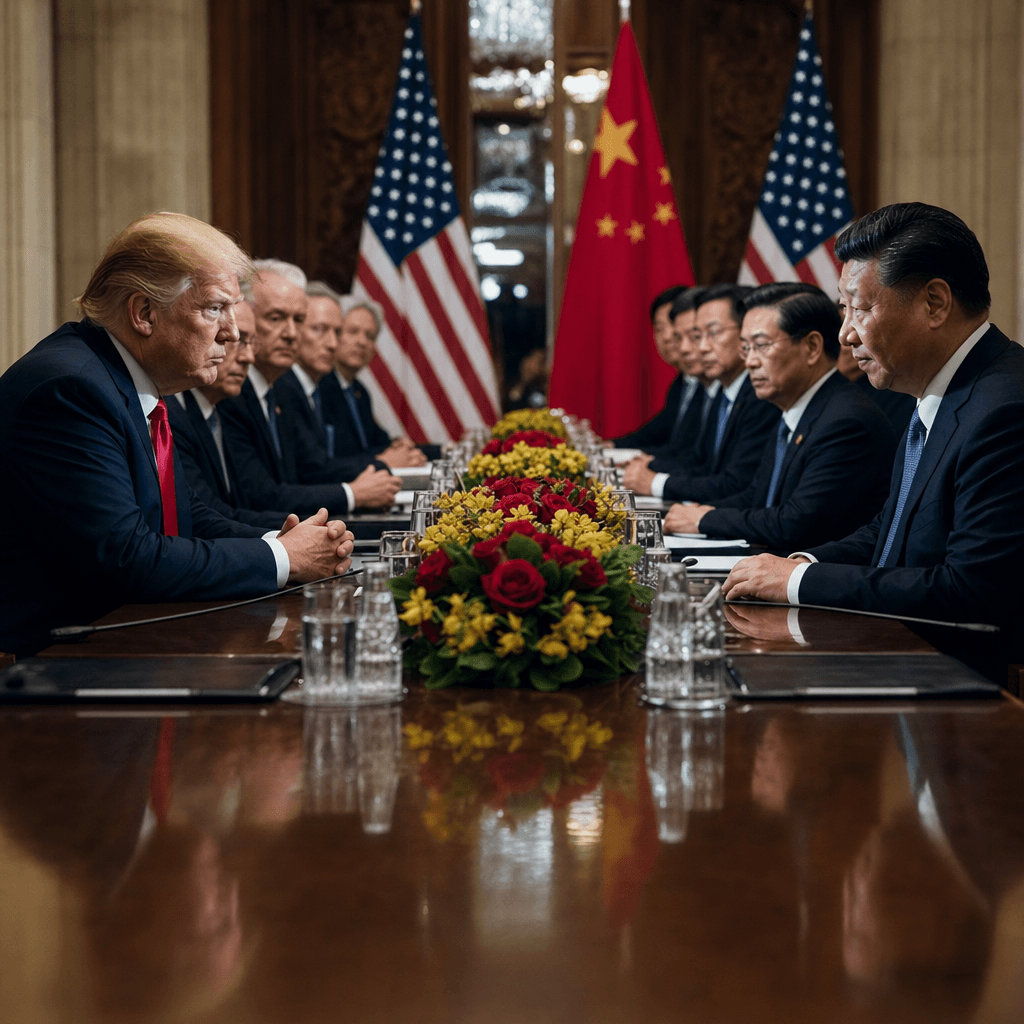
The immediate news is that Donald Trump is headed to meet Xi Jinping next week, with The Economist saying it is the first of four expected Trump-Xi meetings in 2026. But the deeper shift is that Washington is no longer trying to force a strategic break with Beijing; it is trying to cap the damage.
Reuters says Trump’s tariff campaign has not changed China’s trade or military behavior, and that U.S. policy now looks inconsistent enough to unsettle its own officials. For
Global Politics, that is the key fact: China is setting the tempo, not the United States.
Washington is bargaining from weakness
Trump’s original idea was simple: use tariffs to force concessions. Reuters says that strategy stalled, even though the U.S. goods trade deficit with China fell by 32% to $202 billion in 2025 and tariffs helped cut some trade flows (Reuters). The problem is that Beijing did not bend on the things Washington actually wants: industrial policy, military posture, or strategic restraint. Reuters also reports that the administration’s reversals — blacklisting Chinese firms one minute and easing semiconductor access the next — have weakened its credibility (
Reuters).
That leaves the White House in a classic managed-competition posture. U.S. Trade Representative Jamieson Greer has said Washington wants “stability” and access to Chinese rare earths, not “massive confrontation” (Al Jazeera/Reuters). In other words, the U.S. is negotiating around China’s leverage, not eliminating it.
Beijing still owns the choke points
China’s strongest card is not rhetoric. It is supply-chain control. Reuters says Beijing’s near-monopoly on rare-earth refining forced the two sides into an uneasy détente earlier this year when China threatened to squeeze supplies needed by U.S. industry (Reuters). That gives Xi room to wait while Trump needs a summit win.
Brookings says the most likely outcome is a trade truce extension: continued Chinese exports of rare earths and purchases of U.S. farm goods in exchange for partial tariff relief and a pause on tighter export controls. Beijing’s priorities are narrower but more strategic: preserve access to U.S. technology and stop further tightening on chips and other sensitive goods (
Brookings). For
United States, that means Trump can probably secure optics and some commercial pledges — but not a structural reset.
What to watch next
The next decision point is the summit itself. If Trump and Xi come out with a truce extension, rare-earth assurances, and talk of a “board of trade” or similar managed-trade mechanism, that will confirm the bargain on offer: America accepts narrower objectives, and China trades just enough to keep pressure off its core interests (Reuters;
Brookings). If there is no concrete deal on tariffs, export controls, or purchases, then the real story will be the same one Reuters already flagged: Washington has lost the ability to coerce Beijing, and Beijing knows it.
Discover more
Global
Xi's September White House Visit Tests Truce
Trump to host Xi on September 24, 2026, to discuss a new phase in US-China trade relations amid ongoing tensions over Taiwan and technology.
Economics
Beijing Summit's Real Winner Revealed
The Trump-Xi summit reveals contrasting U.S. and Chinese narratives on stability and trade, indicating who holds the leverage.
International Relations
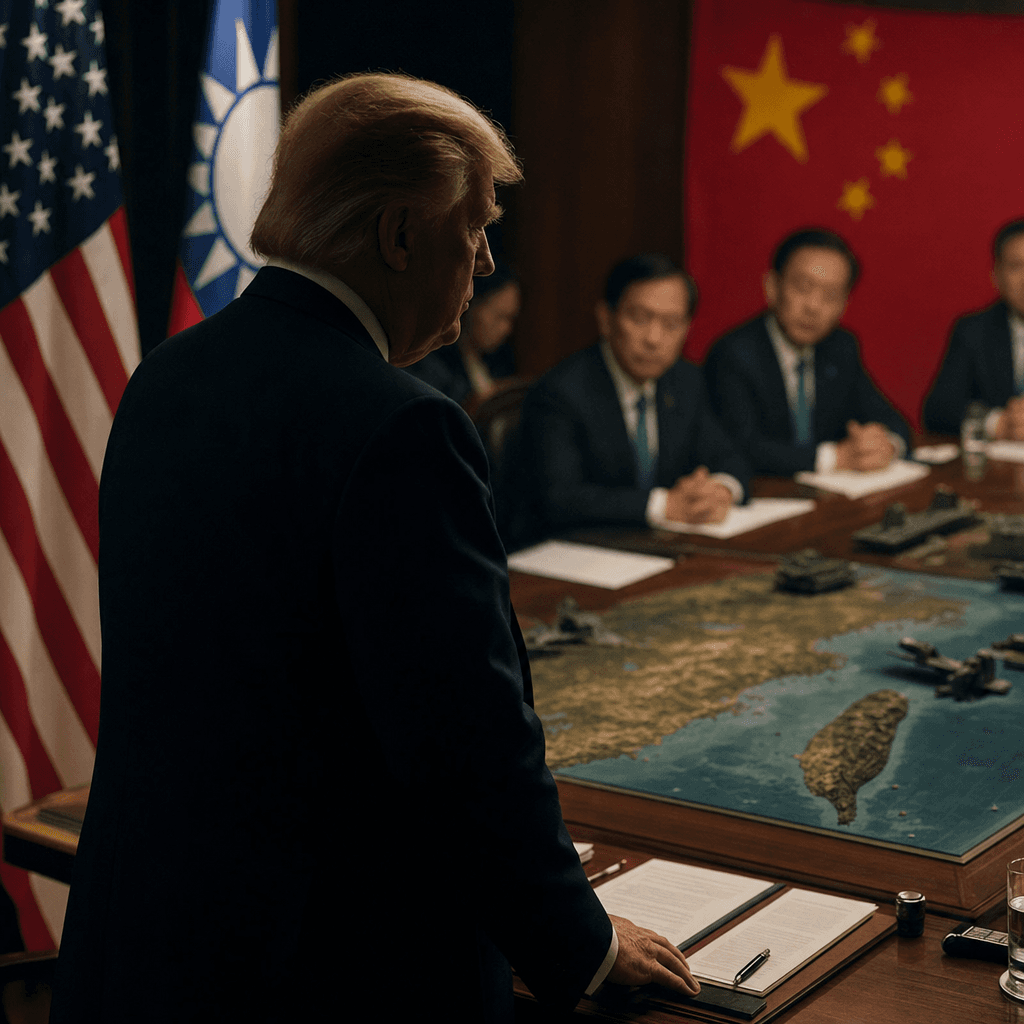
Taiwan Arms Pause Shows Trump’s Leverage
Trump's pause on Taiwan arms sales reveals how he wields leverage over China, tying weapons deliveries to broader bargaining across US-China and Iran policy.
International Relations
Trump and Xi's Summit
Trump and Xi's summit may project cooperation, but a genuine US-China G2 remains unlikely as trade-war tensions and rivalry keep the two powers far apart.