Iran's Tactical Medical Move for Narges Mohmm
Tehran's move is a strategic concession amid scrutiny.
Model Diplomat3 min readMiddle East
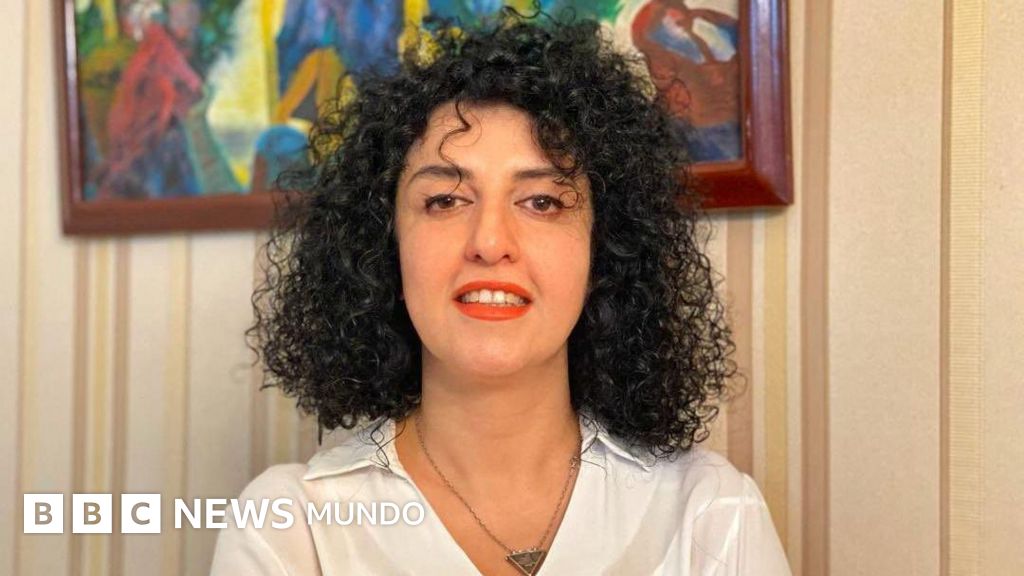
Iran’s Medical Release for Narges Mohammadi Is Tactical
Tehran moved the Nobel laureate to a hospital after a cardiac scare, but the sentence stands. The regime is managing pressure, not yielding.
Iran’s move to shift Narges Mohammadi from prison to a Tehran hospital on May 10 is best read as a controlled concession, not a change of course: the state is buying time under growing international scrutiny while keeping one of its most visible dissidents in legal limbo, according to BBC News Mundo and
Reuters.
The leverage is still with the state
Mohammadi is not being freed; she is being treated under a suspension of sentence tied to a high bail, after days in intensive care in Zanjan and reports of a heart attack, severe weight loss, and oxygen support, the BBC reported and Notimerica/AFP corroborated. That matters because Tehran retains the core leverage: it decides whether medical access becomes temporary relief or a path back to prison.
The regime has used that leverage on Mohammadi for years. Reuters reported in February that she had just received a new seven-and-a-half-year sentence, adding to a long record of arrests, prison terms, and physical abuse accusations. The message is consistent: Iran is prepared to tolerate global outrage, but not a domestic symbol who links women’s rights, anti-death-penalty activism, and opposition to the Islamic Republic’s coercive apparatus. For more on the broader contest, see Global Politics.
Mohammadi’s value is symbolic, not operational
Mohammadi’s power is not in street organization; it is in what she represents. BBC says she has been arrested more than 14 times, sentenced to a cumulative 31 years and 154 lashes, and spent much of the last two decades moving between prisons despite serious health problems. Reuters noted that she won the Nobel Peace Prize in 2023 while already behind bars for campaigning on women’s rights and against the death penalty.
That makes her a particularly costly prisoner for Tehran. Every deterioration in her health creates a public-relations problem outside Iran and a legitimacy problem inside it, especially after the “Woman, Life, Freedom” protests triggered by Mahsa Amini’s death in 2022. Reuters reported the Nobel Committee itself pressed Iran in February to free her immediately after the new sentence. The state’s dilemma is straightforward: release her and concede moral defeat, or keep squeezing her and risk making her a martyr in real time.
What to watch next
The key question now is whether the hospital transfer becomes a durable medical furlough or a short pause before another return to custody. Reuters reported that Mohammadi’s husband feared she could die without proper treatment, and the family’s insistence on specialist care suggests her health is still fragile. Watch for three signals: whether Iranian authorities extend the suspension, whether her own medical team is allowed sustained access, and whether rights groups and Western governments keep the pressure high enough to make renewed detention politically costly.
If Tehran sends her back to prison once the immediate crisis passes, the regime will have confirmed that even Nobel status does not buy protection. If it leaves her in hospital longer, that will not be a liberal turn — only evidence that external pressure still works.
Discover more
Global
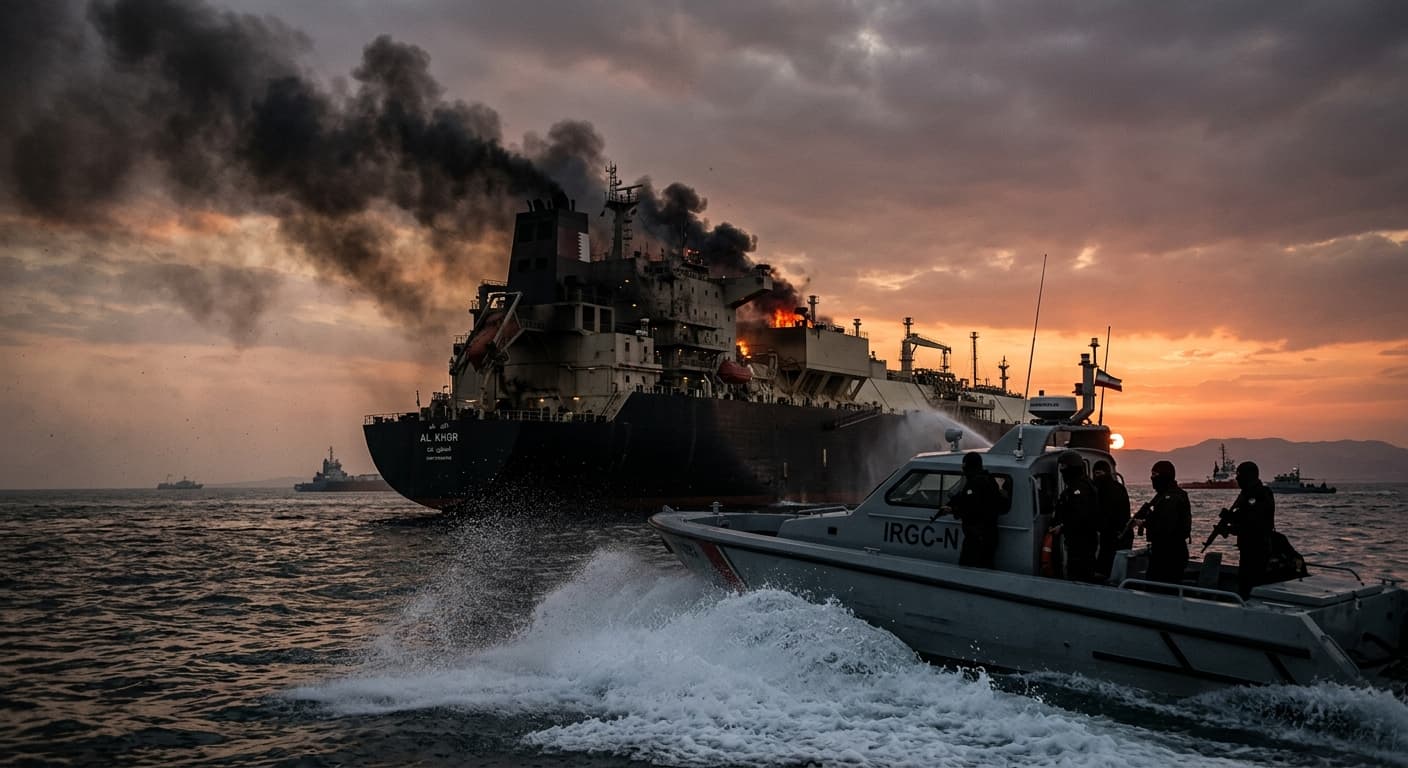
Qatari Tanker Strike Exposes Hormuz Tensions
A Qatari tanker was struck off Oman, revealing the fragility of the Hormuz ceasefire and Iran's influence over maritime security.
Global
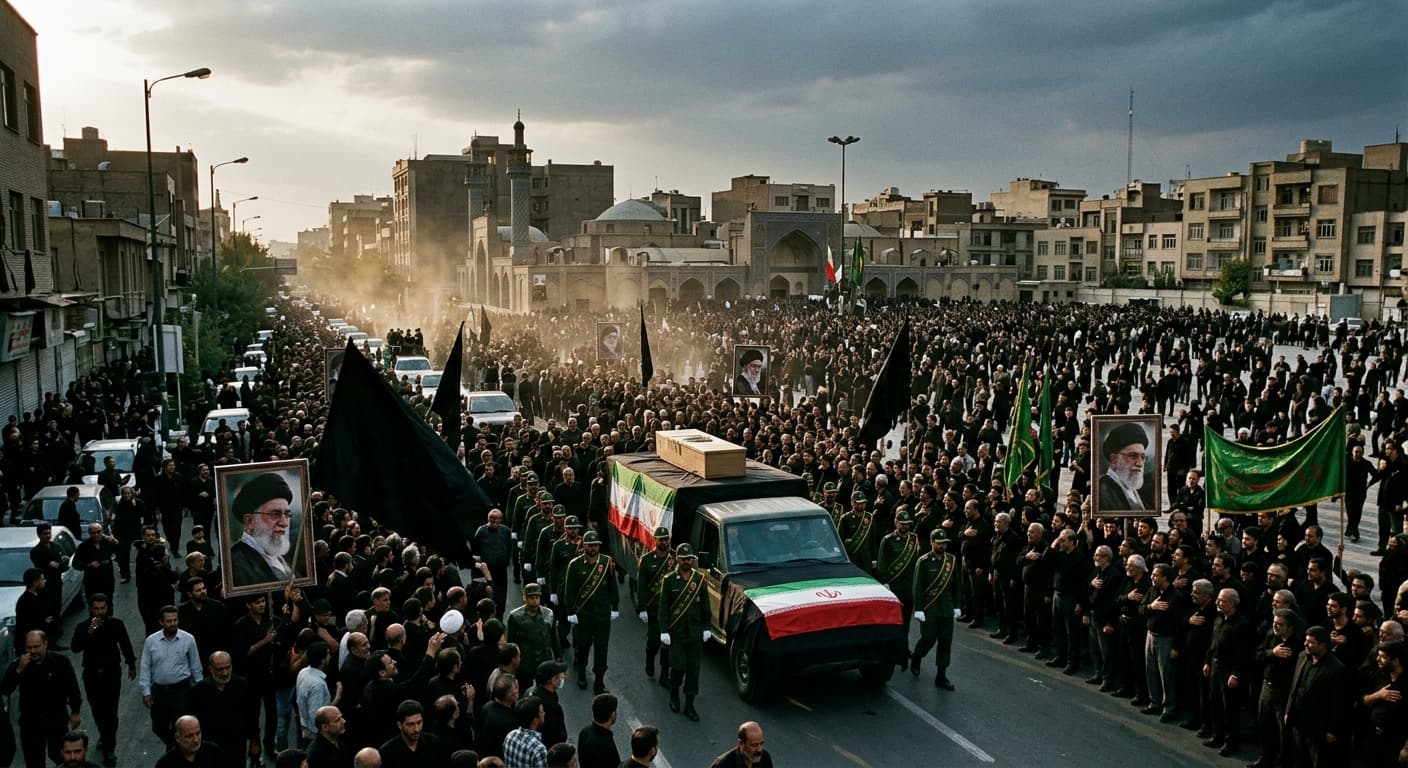
Khamenei's Funeral Signals Iran's Decline
The funeral of Ayatollah Khamenei highlights Iran's diminished influence in the Gulf, with regional powers now dictating terms.
Global
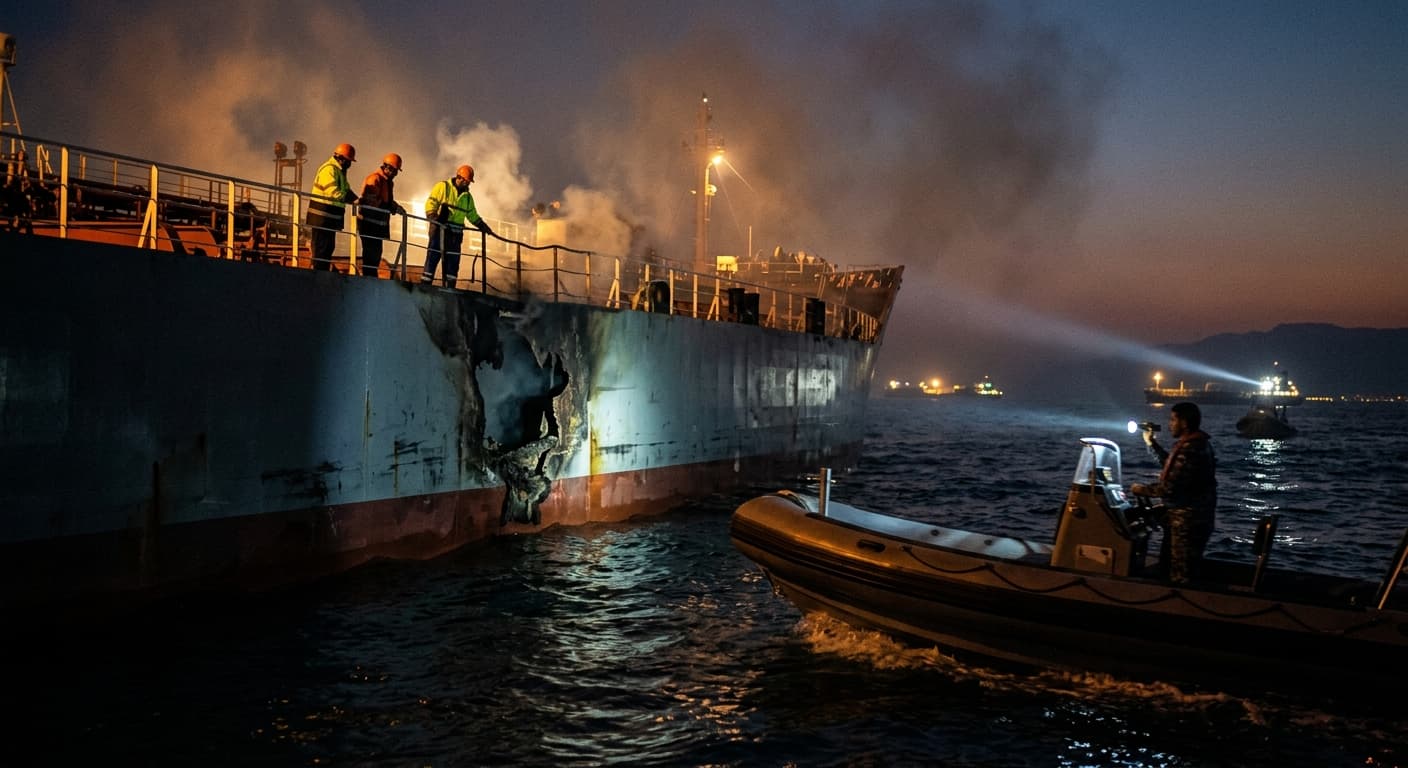
Iran's Hormuz Missile Strikes: A Toll Booth
Iran's missile attack on a Qatari-linked tanker highlights Tehran's strategy to control the Strait of Hormuz, impacting Gulf states and maritime law.

Tech Policy
Iran's Cavern Manticore Targets Israel's IT
Cavern Manticore, an Iran-linked hacking group, targets Israeli IT vendors, prompting a shift in Israel's cybersecurity policy and legislative efforts.