Trump and Xi's Summit
Exploring the dynamics of the Trump-Xi meeting in Beijing
Model Diplomat3 min readAsia
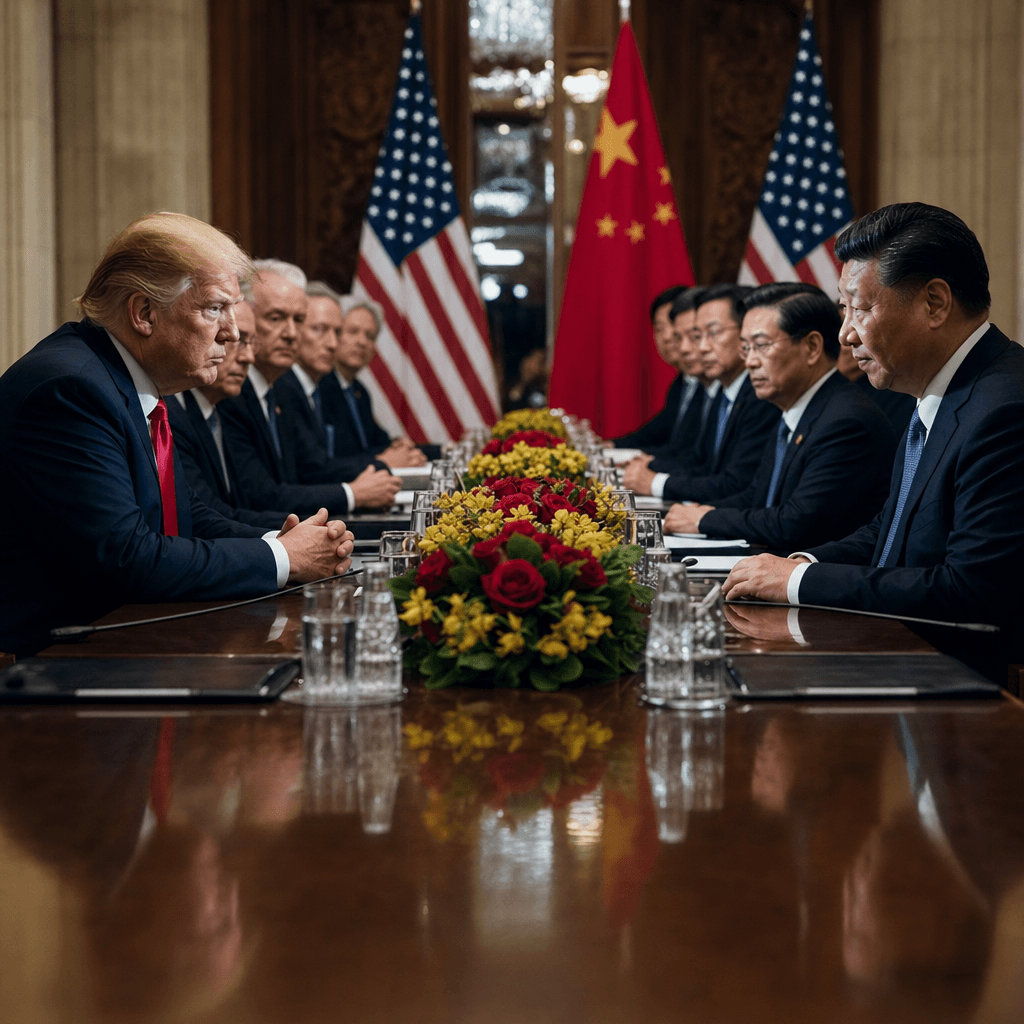
Trump and Xi won’t build a G2 — but they may fake one
Beijing can stage a thaw, but a true US-China “G2” would sideline allies, unsettle markets, and collide with both leaders’ core instincts.
Trump’s Beijing summit is about leverage, not partnership. US President Donald Trump is due in China for a two-day meeting with President Xi Jinping after a trade-war truce and a delay caused by the Iran war, and both men need something useful to show for it: Trump wants a foreign-policy win, while Xi wants stability without conceding strategic ground, according to Al Jazeera. The result is likely to be a tactical reset, not a durable condominium.
A deal is possible. A “G2” is not.
The attraction of the “G2” label is obvious. Trump gets to present himself as a dealmaker managing the world’s two biggest powers; Xi gets recognition that China can no longer be treated as a junior player. But that is where the overlap ends. Al Jazeera’s reporting cites analysts saying China is becoming stronger relative to the US and is unlikely to accept a framework that looks like two-power co-management, while Europe, India, Japan, Brazil and others have no interest in watching Washington and Beijing negotiate over their heads (Al Jazeera).
That matters because the summit is being held at exactly the moment when both sides have reason to play nice and little reason to trust each other. The agenda spans tariffs, rare earths, AI, fentanyl, Taiwan and the Iran war, and the White House is already signaling that any agreement is more likely to be incremental than transformational (The Washington Post / AP;
NPR).
Who benefits from the optics
Trump has the clearest short-term upside. If Beijing promises more soybean purchases, aircraft orders or a formalized trade truce, he can sell the trip as proof that pressure works (The Washington Post / AP;
NPR). Xi benefits differently: a summit itself signals parity, and any calm on tariffs or rare earths buys China time to protect exports and keep supply chains from snapping. Washington Post reporting suggests the practical goal is stability, with major breakthroughs unlikely (
The Washington Post / AP).
The losers are the third parties. A US-China bargain that lowers tariffs or eases export controls could hit manufacturers in Europe and Asia, while any softening by Washington on Taiwan would alarm Indo-Pacific partners who rely on US deterrence. That is why the “G2” idea triggers suspicion: it implies a hierarchy, not a rules-based order (Al Jazeera).
What to watch next
The real test is whether the summit produces a joint statement with concrete language on tariffs, rare earths, and the Strait of Hormuz, or just a choreography of smiles. Watch for two markers: whether Trump and Xi announce a mechanism like a US-China board of trade, and whether either side touches Taiwan in a way that suggests a concession rather than a formula (NPR;
The Washington Post / AP).
For readers tracking the wider diplomatic picture, this is the kind of summit that can shift the trajectory of Global Politics without actually changing the balance of power. The question is not whether Trump and Xi can stage a G2. It is whether they can avoid turning the summit into another temporary truce that expires under pressure.
Discover more
Global Politics
Trump's Conflicting Messages on Iran War
Trump's mixed messages on Iran reflect a strategy of audience management, benefiting Tehran amid a complex geopolitical landscape.
Conflict & Security
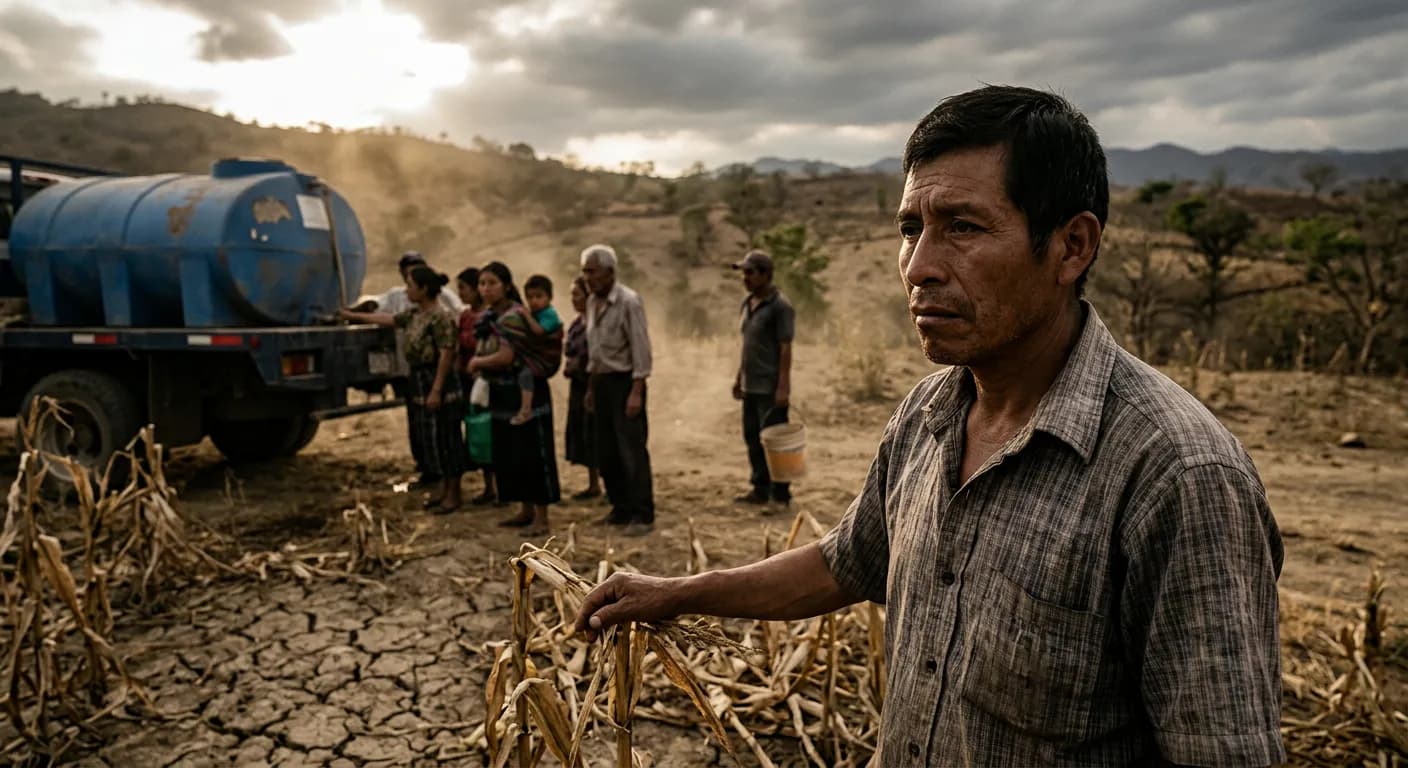
Guatemala: El Niño 2026–27 becomes regional security test
UNICEF: 25.8M children face El Niño risks in Latin America; Guatemala maps 188 municipalities for drought and food insecurity amid regional security test.

Economics
Fed's stress-test overhaul is a capital-smoothing exercise
Federal Reserve finalized stress-test overhaul: two-year averaging for bank capital buffers and public input, expected to halve volatility.

Conflict & Security
Drone Warfare Killing Aid Workers at Unprec
Over 1,000 humanitarian workers killed in three years as cheap armed drones collapse legal protections. Gaza, Sudan, Ukraine, and DRC see deliberate targeting of aid convoys and hospitals with zero prosecutions.