Europe's Challenge Against China's Power Play
Analyzing Europe's vulnerability in a changing global order
Model Diplomat3 min readEurope
Europe Can’t Stay Open in a World China Hardens
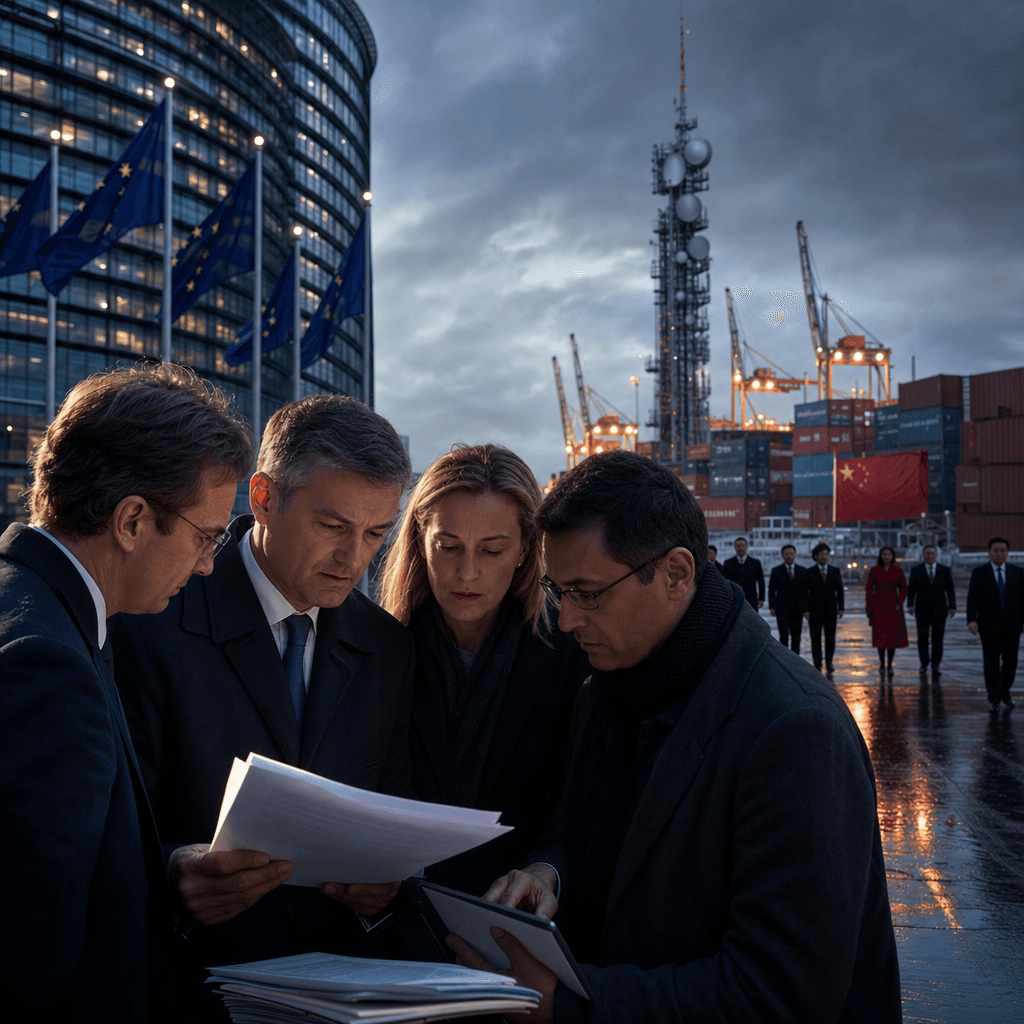
China’s real advantage is state power under stress. Europe’s problem is that its openness is now being used against it.
The Guardian column’s core claim is blunt: Europe is trying to preserve a rules-based order in an age where the rules are already breaking, while China is prepared to exploit that breakdown as strategy (The Guardian). That is the power gap. Beijing can ride out volatility because it has the tools to direct industry, absorb shocks and lean on scale; Europe is still exposed because it treats open markets as a virtue even when they are becoming a vulnerability.
The leverage is industrial, not rhetorical
The column argues that China is better positioned for an age of “un-order” because it has already built the habits of coercive statecraft: industrial overcapacity, exchange-rate management, and a willingness to use exports as a strategic instrument (The Guardian). Europe, by contrast, is still importing the costs of that model. The piece says Brussels’ tariffs on Chinese autos have been too weak to matter much, even as firms such as BYD keep pushing into the European market (
The Guardian).
That matters because Europe is not just defending trade shares. It is trying to rearm while still depending on external suppliers for critical technologies and industrial capacity. Reuters noted last week that EU states have pledged to lift defense spending to 3.5% of GDP by 2035, but the bigger question is whether Europe can finance, source and organize that buildup without U.S. cover or Chinese inputs (Reuters).
China, Europe and the United States are now in a triangular squeeze
This is not just a Europe-versus-China story. Foreign Affairs has argued that the European Union is trapped in a triangle with Beijing and Washington, where strategic autonomy collides with hard dependence on U.S. military power and Chinese markets (Foreign Affairs). The same piece says China’s state-led industrial policy and export controls on critical minerals have made European supply chains more vulnerable — exactly the sort of pressure the Guardian column is warning about (
Foreign Affairs).
The practical consequence is that Europe’s trade policy is now defense policy. RAND has described this as the era of “strategic globalization,” where supply-chain resilience, investment screening and data security sit at the center of economic diplomacy, not the margins (RAND). That is why the Guardian’s prescription — act more like China — is really a call for Europe to use market power the way Beijing does: selectively, defensively and with political intent. For a broader view of the geopolitical contest, see
Global Politics and the pressure on the
United States to keep underwriting Europe’s security.
What to watch next
The next decision point is whether Brussels hardens its response: stronger tariffs on Chinese EVs, tougher investment screening, and procurement rules that privilege European suppliers in rearmament. If it does not, China keeps the upper hand — selling into Europe’s open market while Europe pays more to rebuild its defenses. If it does, Europe risks higher costs and slower trade, but it may finally start acting like a power bloc instead of a rulebook.
Discover more
Global Politics
Trump's Conflicting Messages on Iran War
Trump's mixed messages on Iran reflect a strategy of audience management, benefiting Tehran amid a complex geopolitical landscape.

Conflict & Security
Drone Warfare Killing Aid Workers at Unprec
Over 1,000 humanitarian workers killed in three years as cheap armed drones collapse legal protections. Gaza, Sudan, Ukraine, and DRC see deliberate targeting of aid convoys and hospitals with zero prosecutions.

Global
World Normalises Taliban as Afghan Women Eras
UN data shows Afghan women erased from public life as Russia recognises the Taliban, EU hosts officials in Brussels, and ICC warrants for gender persecution go unenforced.
Conflict & Security
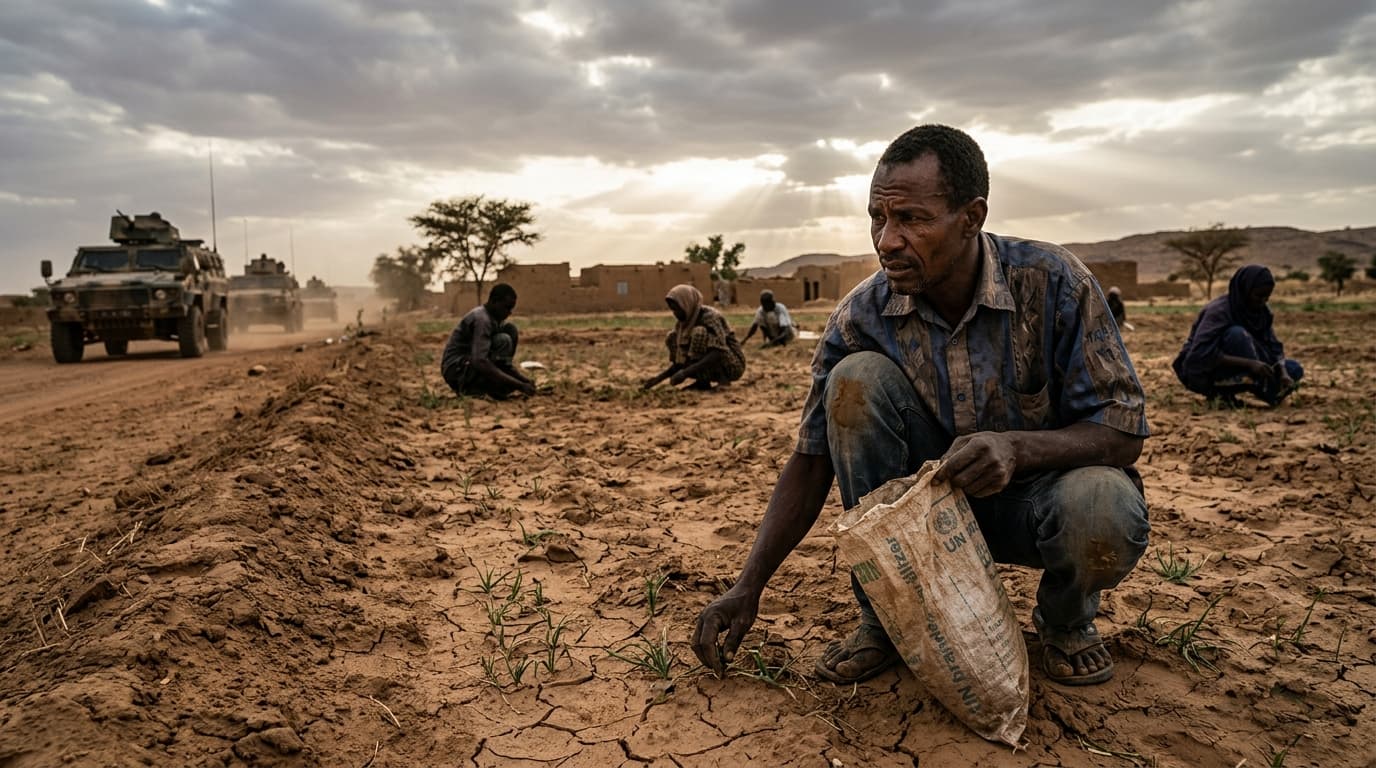
West Africa Food Crisis: Three Shocks in 2026
Conflict, climate extremes, and the Strait of Hormuz closure drive a severe food crisis in West and Central Africa, with fertilizer prices surging 80% and millions displaced.