Macron's $27B Investment in Africa Explained
France aims to rebuild influence in Africa with investment.
Model Diplomat3 min readAfrica
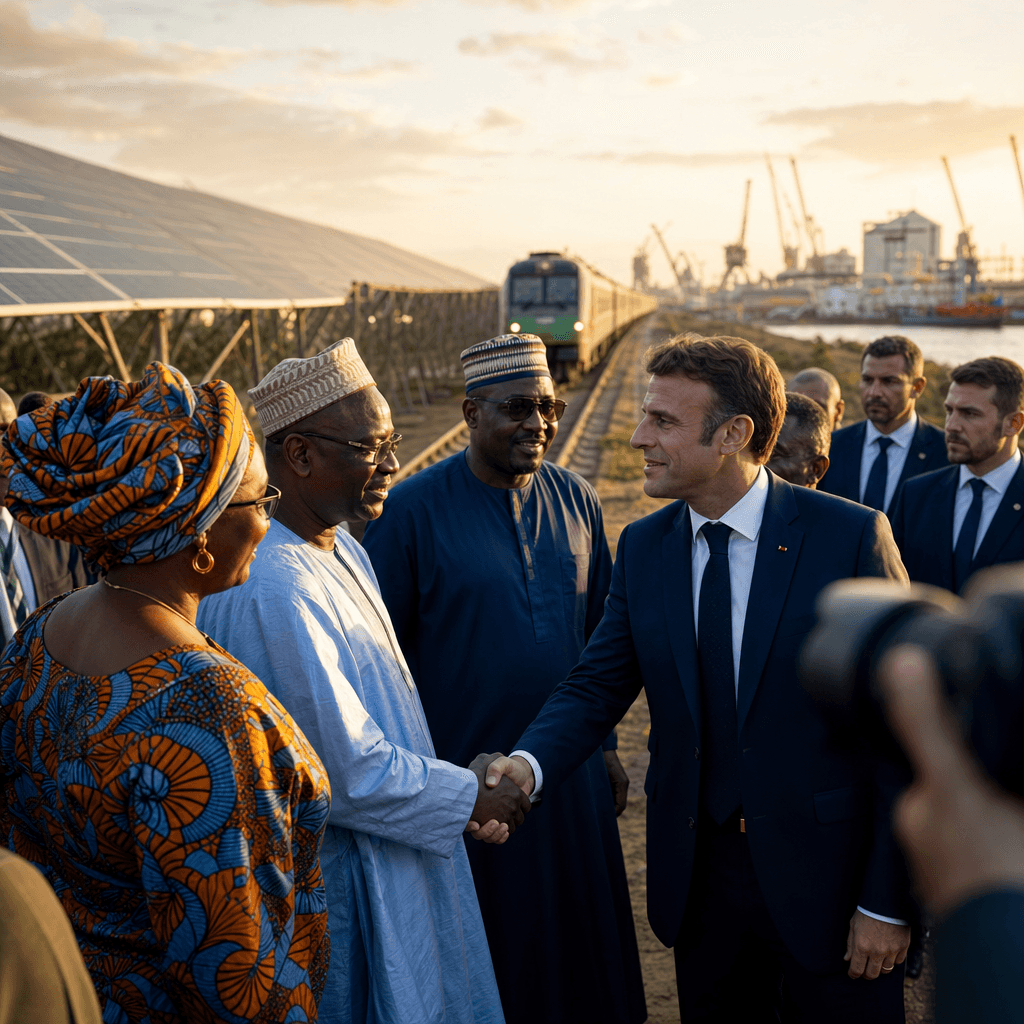
Macron’s $27 Billion Africa Bet Targets Europe’s Reset
France is trying to rebuild influence in Africa with money, optics and a “partnership of equals” — but the real test is whether African capitals buy the offer.
French President Emmanuel Macron used the Africa Forward summit in Nairobi to announce $27 billion in investment pledges for the continent and to argue for a “fundamental reset” in Africa-Europe ties, saying Europe is no longer dictating terms but seeking a “partnership of equals” (Al Jazeera;
Al Jazeera). The package, as reported by multiple outlets, includes €14 billion in French public and private funds and €9 billion from African investors, with a stated target of 250,000 jobs in France and Africa (
Al Jazeera;
Le Monde).
Why Macron is doing this now
The power dynamic is obvious: France is the actor under pressure. Its military withdrawal from Mali, Burkina Faso and Niger — after coups in all three states — has stripped Paris of the security leverage it once used to anchor its Africa policy (Al Jazeera;
Africanews). Nairobi is Macron’s attempt to pivot from postcolonial influence to commercial interdependence, and to do it in an English-speaking capital for the first time in this format (
Al Jazeera).
That matters because France is no longer speaking to a captive audience. Kenyan President William Ruto framed the relationship in transactional terms, saying Africa should think in terms of investment rather than aid and loans (Al Jazeera). That is the bargaining position now: African governments want capital, technology and market access, not lectures. Macron’s line that Europe is a safer partner than China or the United States is an effort to win that argument on geopolitical branding, not just economics (
Le Monde;
Africanews).
For International Relations, the significance is less the headline number than the strategic signal: Paris is trying to reclaim relevance in Africa before China, Gulf states and regional powers lock in the next round of infrastructure, energy and minerals deals.
What this changes — and what it does not
The announcement gives Macron a talking point, not a victory. Most of the money is still prospective, and the summit’s value depends on whether the pledges convert into bankable projects in energy transition, digital infrastructure, agriculture and the maritime economy (Al Jazeera;
Le Monde). The political risk for Macron is that African audiences hear “reset” but remember French troops leaving the Sahel and years of deteriorating trust (
Washington Post).
The beneficiaries are clear: French firms looking for contracts, Kenyan officials trying to position Nairobi as a continental investment hub, and African business leaders invited into the financing mix (Al Jazeera;
Le Monde). The losers are the old assumptions: that France can still lead through history, security ties or moral language alone.
What to watch next
Watch whether any of the pledges are converted into signed financing within the next few weeks, and whether African leaders publicly endorse Macron’s “partnership of equals” language or treat it as rebranding. The next decision point is whether the Nairobi summit produces concrete country deals, not just a continental number. For a useful comparison, see Kenya.
Discover more

India
India-South Korea $50B Trade Expansion Plan
India and South Korea target $50 billion in bilateral trade by 2030, focusing on industrial cooperation and strategic alignment amid US pressures.
India
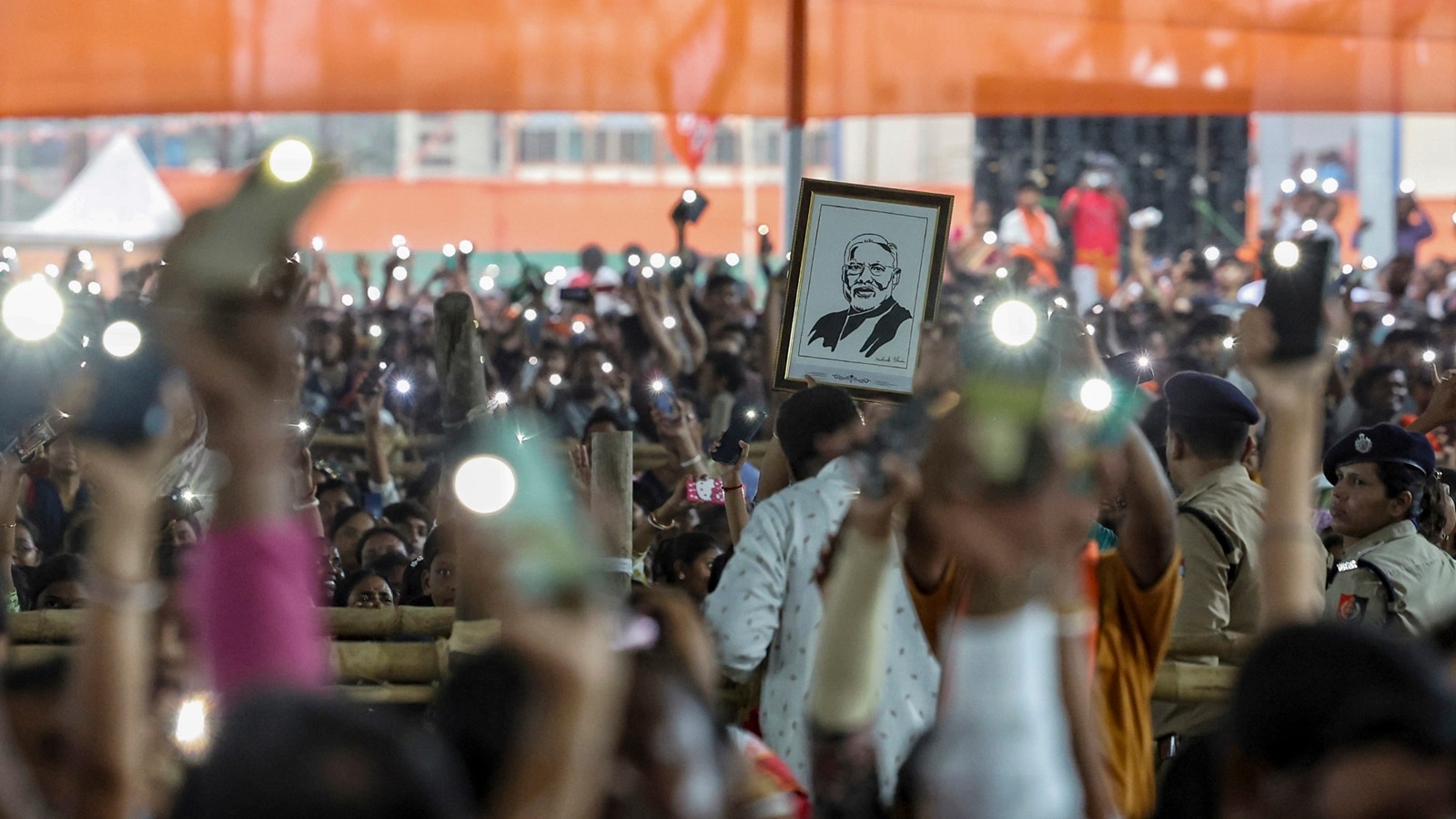
Modi's Women’s Convention in Varanasi
Modi's Varanasi rally frames women's reservation as a national mission, targeting the 2027 Uttar Pradesh elections with a strategic narrative.

Economics
Fed's Amex AML order puts correspondent banking on notice
Federal Reserve's Amex AML order requires board-level controls and a 90-day plan; OCC fined the bank $350 million over enterprise-wide deficiencies.
Conflict & Security
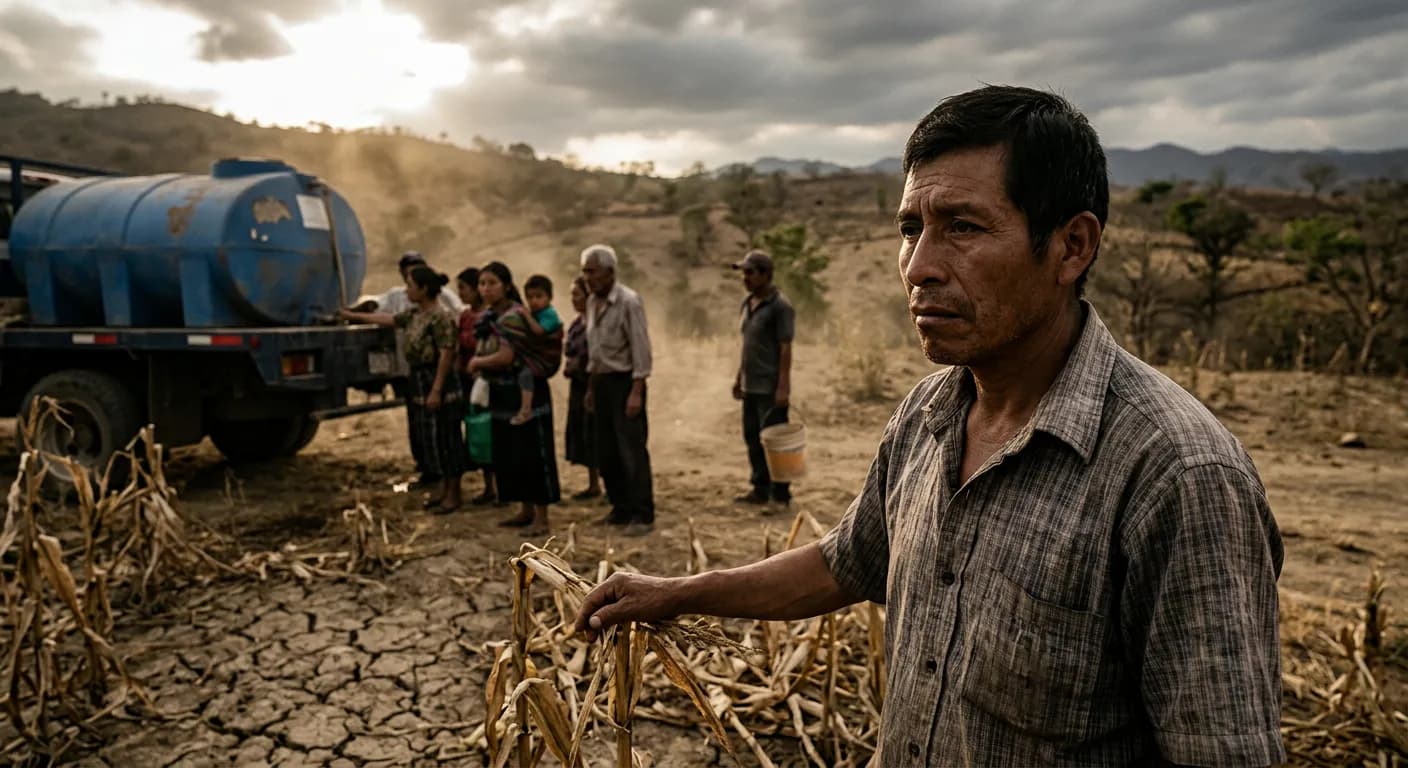
Guatemala: El Niño 2026–27 becomes regional security test
UNICEF: 25.8M children face El Niño risks in Latin America; Guatemala maps 188 municipalities for drought and food insecurity amid regional security test.