US Oil Stockpile Release: Temporary Relief
Strategic Petroleum Reserve used to manage oil prices amid crisis
Model Diplomat3 min readNorth America
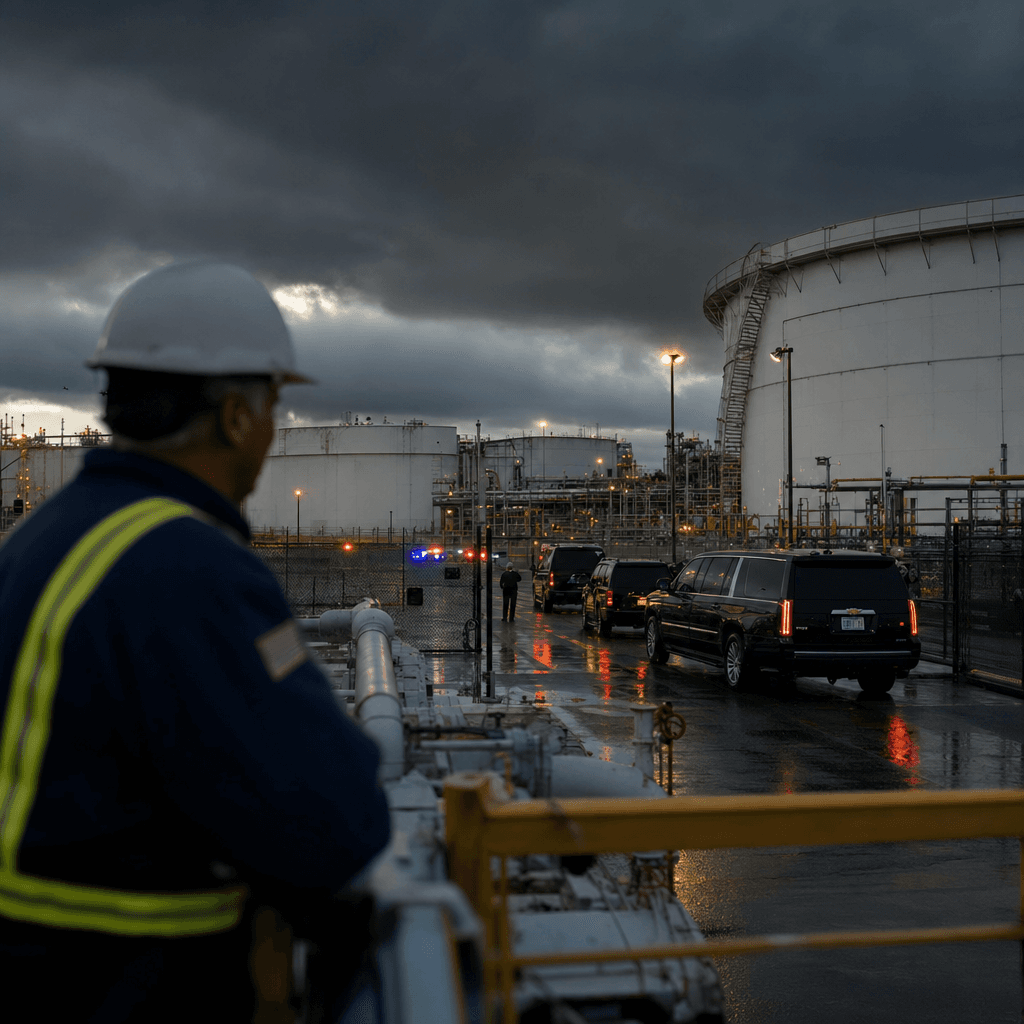
US Oil Stockpile Release Buys Time, Not Security
Washington is using the Strategic Petroleum Reserve to cool prices and signal supply discipline, but the move only works if Hormuz pressure eases fast.
The United States has begun transferring 53.3 million barrels from the Strategic Petroleum Reserve under its emergency exchange programme, part of the wider IEA-coordinated release announced in March, Al Jazeera reported. The logic is straightforward: flood the market with barrels now, calm traders, and push replacement risk into the future. Washington is trying to buy time while the oil market is still reacting to the Iran crisis and the resulting threat to shipping through the Strait of Hormuz.
Why this move has leverage
The power here sits with the United States because it controls one of the world’s biggest emergency stockpiles and can move first. The Department of Energy said the latest tranche is being allocated to nine companies, led by Trafigura, Marathon Petroleum and ExxonMobil, under a scheme that requires them to return barrels later, Al Jazeera reported. That matters: this is not a giveaway, but a swap that injects supply now and preserves the reserve’s long-term structure by replacing barrels later.
The broader IEA framework gives the move credibility. Reuters reported in March that the agency agreed to a record 400 million-barrel coordinated release, with the U.S. supplying 172 million barrels and Japan, Britain and South Korea also contributing, Reuters. That collective action is designed less to solve a shortage than to convince markets that governments will not let panic set the price. For
Global Politics readers, this is classic crisis management: the signal is often as important as the barrels.
Who gains, who loses
Near-term winners are refiners, traders and fuel consumers who need relief from a price spike. Al Jazeera noted Brent was still trading above $105 a barrel even after the release plan, showing how much fear was already baked into the market, Al Jazeera. Reuters likewise reported that oil prices rose despite the March announcement, because traders judged the release insufficient if Hormuz disruptions persisted,
Reuters.
The loser is reserve depth. Every barrel sent out now has to be replaced later, which means Washington is effectively borrowing from future security to manage present politics. That is a rational trade if the disruption is brief. It is a bad one if the Strait of Hormuz stays constricted or attacks on shipping continue. In that case, the SPR becomes a cushion, not a shield.
What to watch next
The next decision point is whether the market believes the supply shock is temporary. If Hormuz traffic stays impaired, the release will only slow the rise, not reverse it. If shipping normalizes, the IEA package can steady prices and give the U.S. room to refill the reserve on its own terms. Watch the pace of withdrawals over the next two weeks, the next Brent print, and whether other IEA members convert their March pledges into physical barrels. For Washington, the question is not whether to use the SPR. It is how much of it to spend before the market stops listening.
Discover more
Conflict & Security
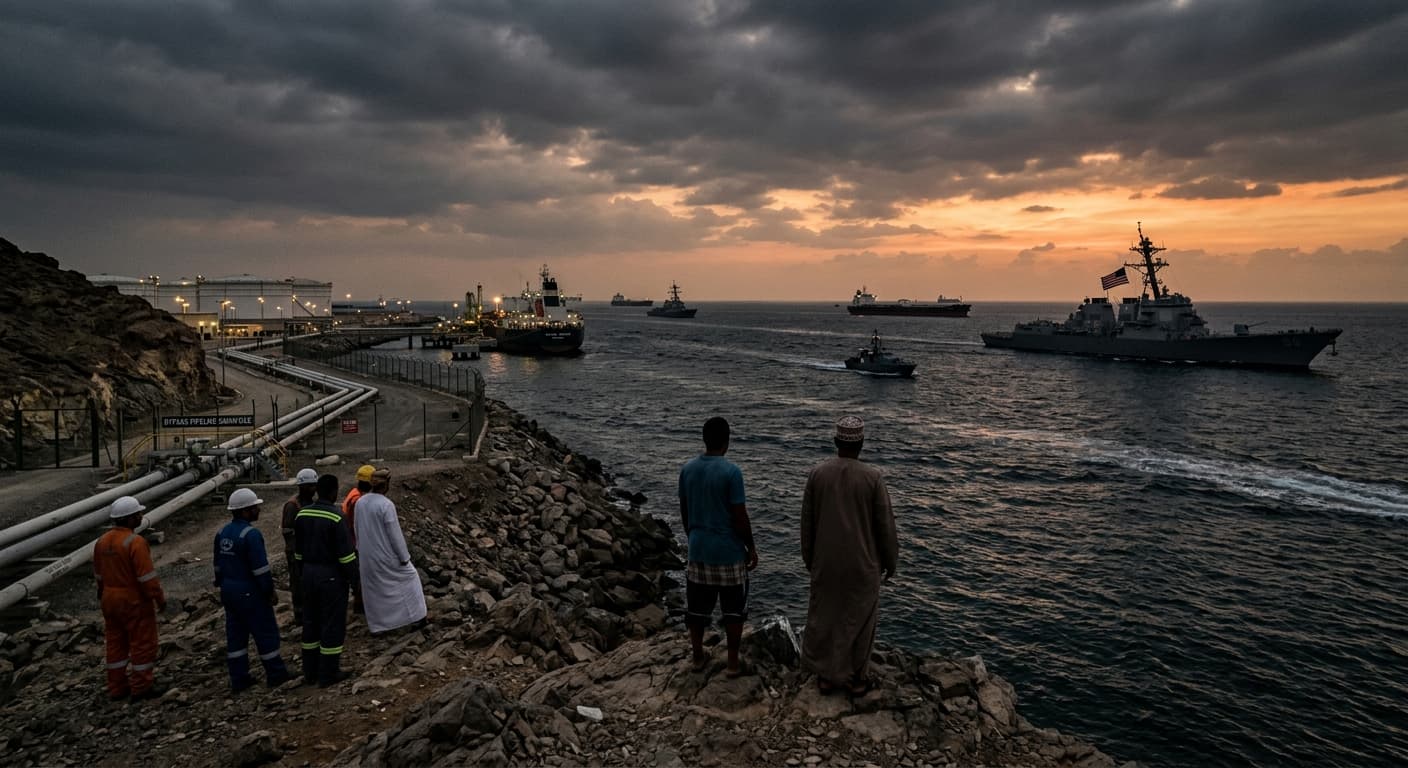
An unwinnable standoff at Hormuz
The U.S.-Iran standoff at Hormuz has collapsed shipping and raised oil prices. Neither side can achieve victory, but alternative energy routes are the real winners. A ceasefire failed.
Global Politics
Iran Deal Reopens Strait, Oil Prices Drop
The US-Iran deal reopens the Strait of Hormuz and pushes oil prices lower, though meaningful energy and inflation relief will take time to reach markets.

International Relations
The $100 Billion Squeeze: Trump’s Iran War
Trump's Iran war has cost American families an estimated $100 billion, straining household budgets through higher oil prices and eroding domestic support.
Conflict & Security
Iran War Weakens Gulf Markets' Safety Net
Iran's war is eroding the Gulf's financial safety net, as sovereign wealth funds and oil prices wobble, unsettling global investors who counted on the region.