Malpass Urges China to End Fertiliser Hoard
David Malpass critiques China's food stockpiling strategy.
Model Diplomat3 min readAsia
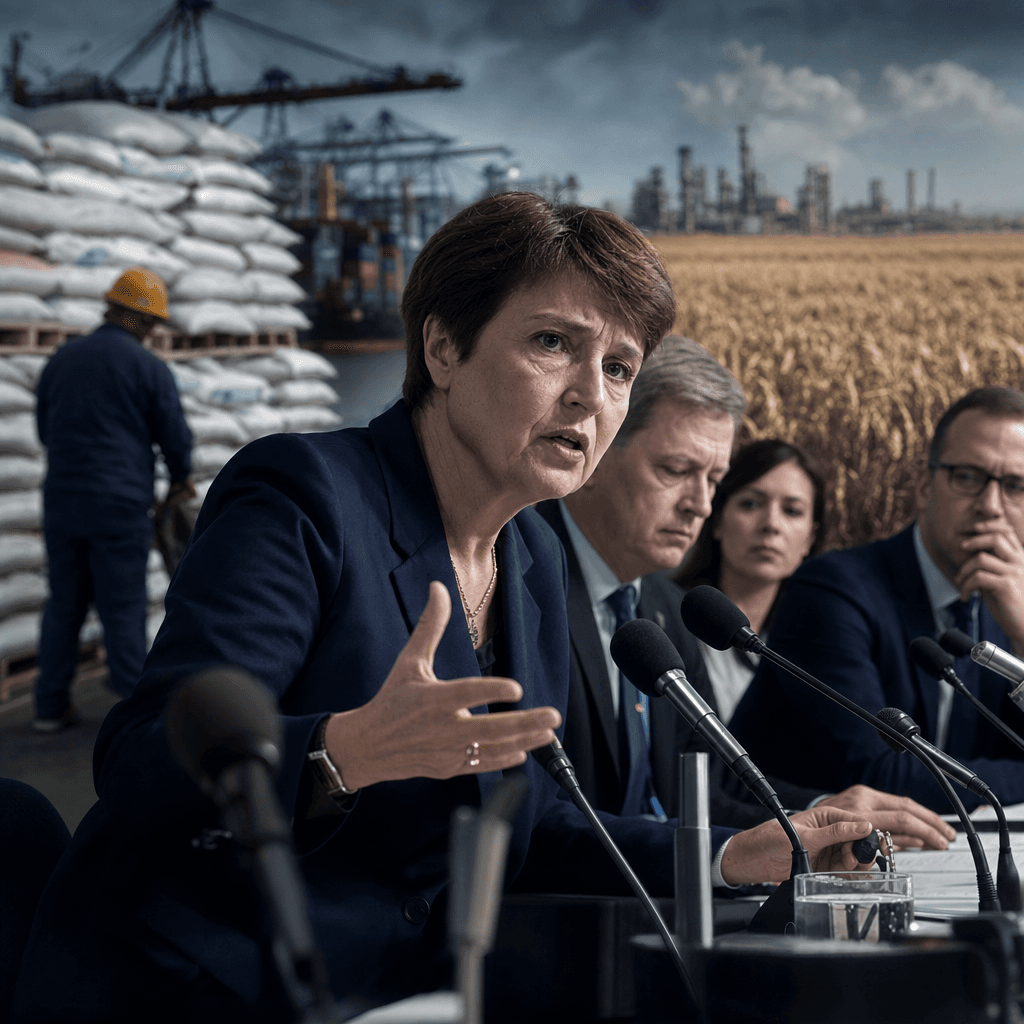
Malpass Puts China’s Fertiliser Hoard on Notice
[David Malpass says Beijing’s food and fertiliser stockpiles are worsening a supply shock just as Hormuz disruption raises the cost of Asian planting.]
Former World Bank president David Malpass is trying to turn China’s own stockpiling strategy into a diplomatic liability. Speaking to the BBC ahead of the Trump-Xi summit in Beijing, he said China should stop hoarding food and fertiliser because it has the world’s biggest inventories and can ease the squeeze on global markets (BBC). The timing matters: the closure of the Strait of Hormuz has already disrupted fertiliser shipments, and Beijing has kept several fertiliser export controls in place since March to protect domestic supply (
BBC;
Reuters).
Beijing holds the stronger hand
China is not just another buyer in this market. It is the largest single fertiliser producer, and BBC’s reporting says it accounted for about 25% of global output last year and exported more than $13 billion of fertiliser (BBC). Reuters reported on April 30 that the Iran conflict and the Hormuz disruption are colliding with those Chinese restrictions, tightening supply just as Southeast Asian farmers enter planting season (
Reuters). That gives Beijing leverage it can use defensively: keep supplies tight at home, and let global prices do the disciplining elsewhere.
Malpass’s real complaint is that China wants the benefits of a system it is not fully willing to support. He argued Beijing’s claim to be a developing country is no longer credible for a second-largest economy, and that it should stop sheltering behind WTO-style exemptions (BBC). That is a political argument dressed as market commentary: if China has become a price-setter, not a price-taker, then it is being judged like a system power. For readers tracking the broader pattern on
Global Politics, this is what coercive economic statecraft looks like in practice.
The losers are the import-dependent
The immediate pain lands in Asia, not Washington or Beijing. BBC’s companion analysis said the Philippines gets about 75% of its fertiliser from China and has almost no domestic backstop, while Thailand sources roughly one-fifth of its fertiliser from China and 32% from the Gulf, leaving both routes compromised at once (BBC). Reuters likewise warned that rice output in Thailand, Vietnam and the Philippines is already under pressure from fertiliser shortages and higher fuel costs, with the real damage likely to show up at harvest time, not in this week’s prices (
Reuters).
That is the power dynamic. China can absorb higher costs for longer than smaller agricultural economies can. The beneficiaries of restraint are Chinese farmers and the Communist Party’s food-security doctrine; the losers are import-dependent governments that will face higher subsidy bills, weaker harvests and, eventually, political pressure.
What to watch next
The next decision point is whether Beijing treats fertiliser as a strategic export or a domestic shield. If the Hormuz disruption drags on, pressure will rise on China to loosen exports, especially to Southeast Asia, where the margin for error is thin (BBC). Watch for any shift in Chinese customs rules, any relief package for ASEAN buyers, and any language on food and fertiliser at the Trump-Xi summit in Beijing. If China does nothing, it is betting that scarcity buys leverage—and that others will pay the price.
Discover more
Global
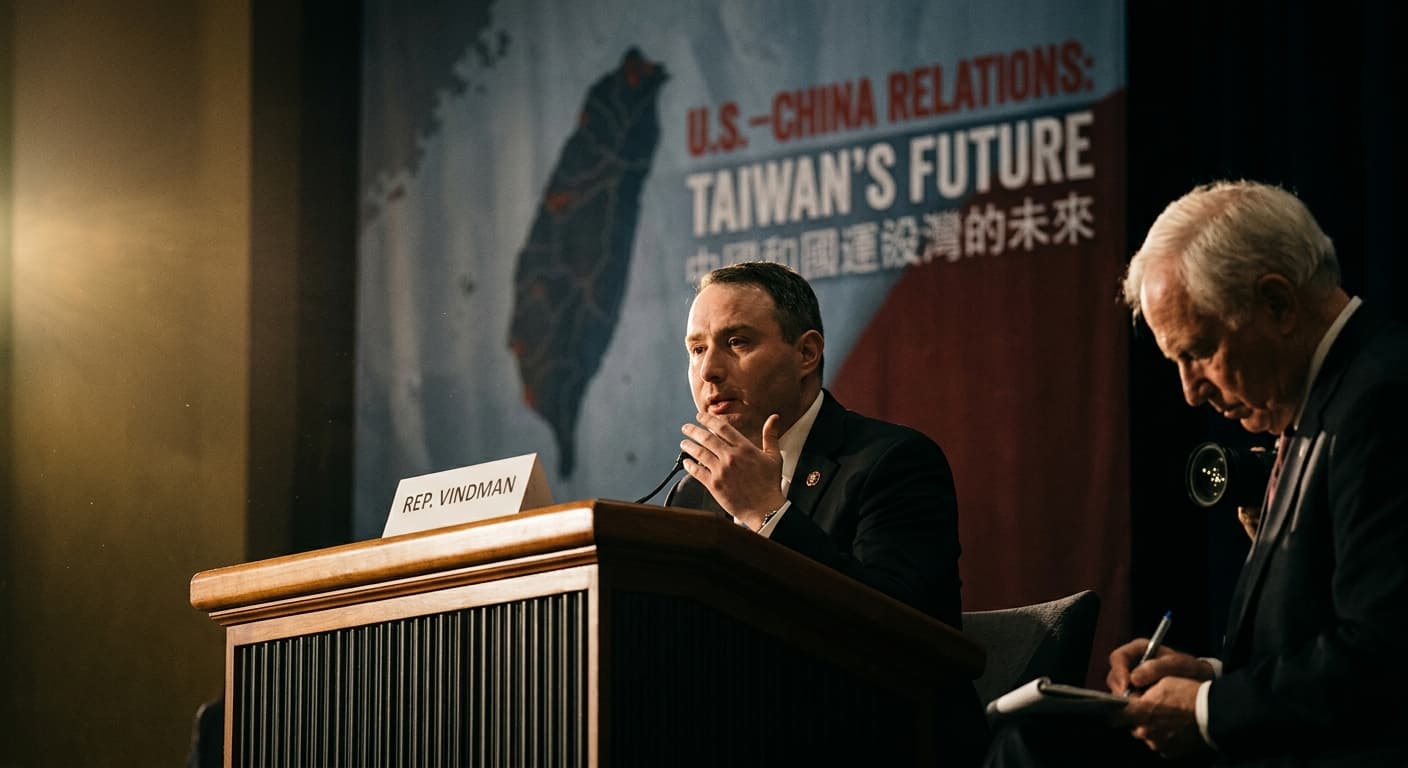
Vindman's Call for U.S. Response to China
Rep. Eugene Vindman highlights the urgent need for a U.S. strategy to counter China's gray-zone tactics against Taiwan, emphasizing economic stakes.
Global
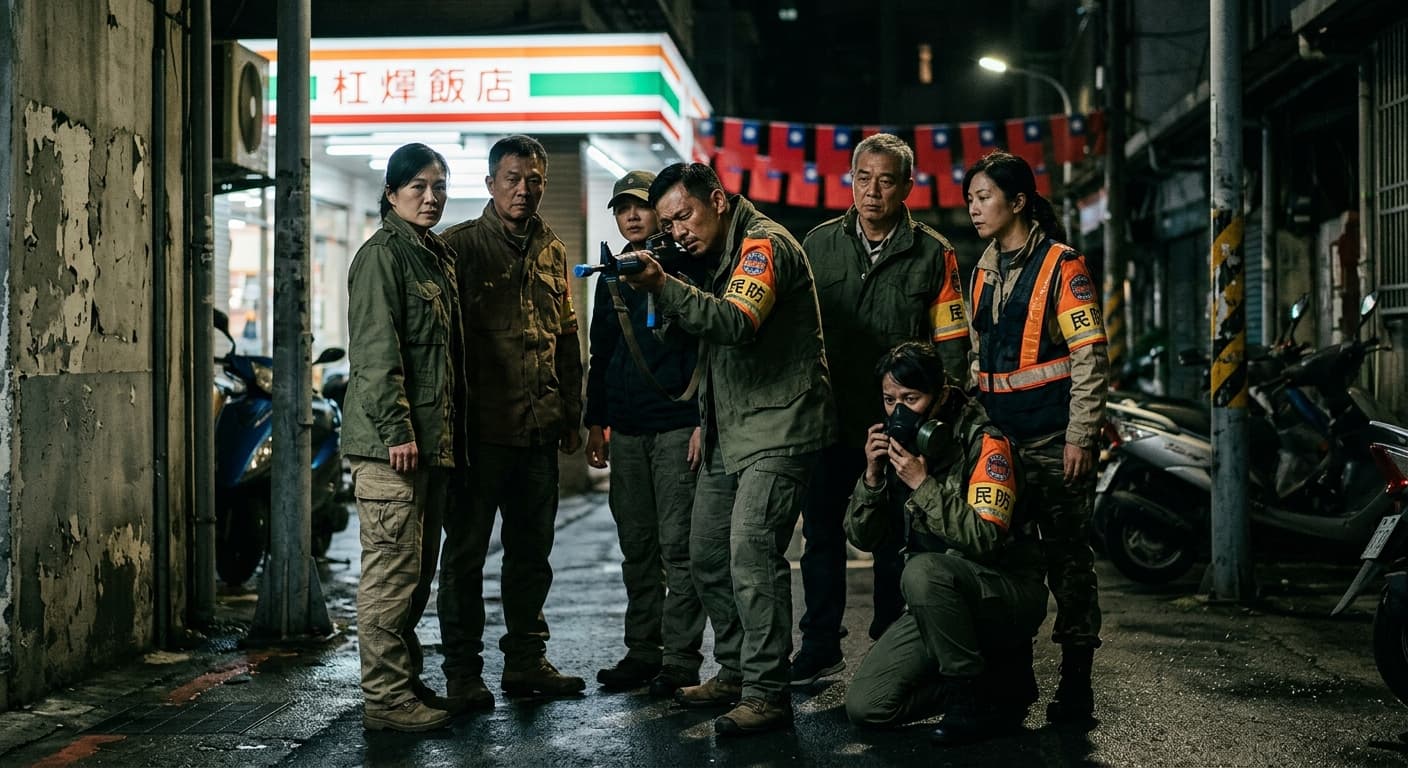
Taiwan's Civil Defense: Deterrence Strategy
Taiwan's National Security Council emphasizes civil defense drills as a deterrent against Chinese military aggression, amid budget cuts and rising tensions.
Global
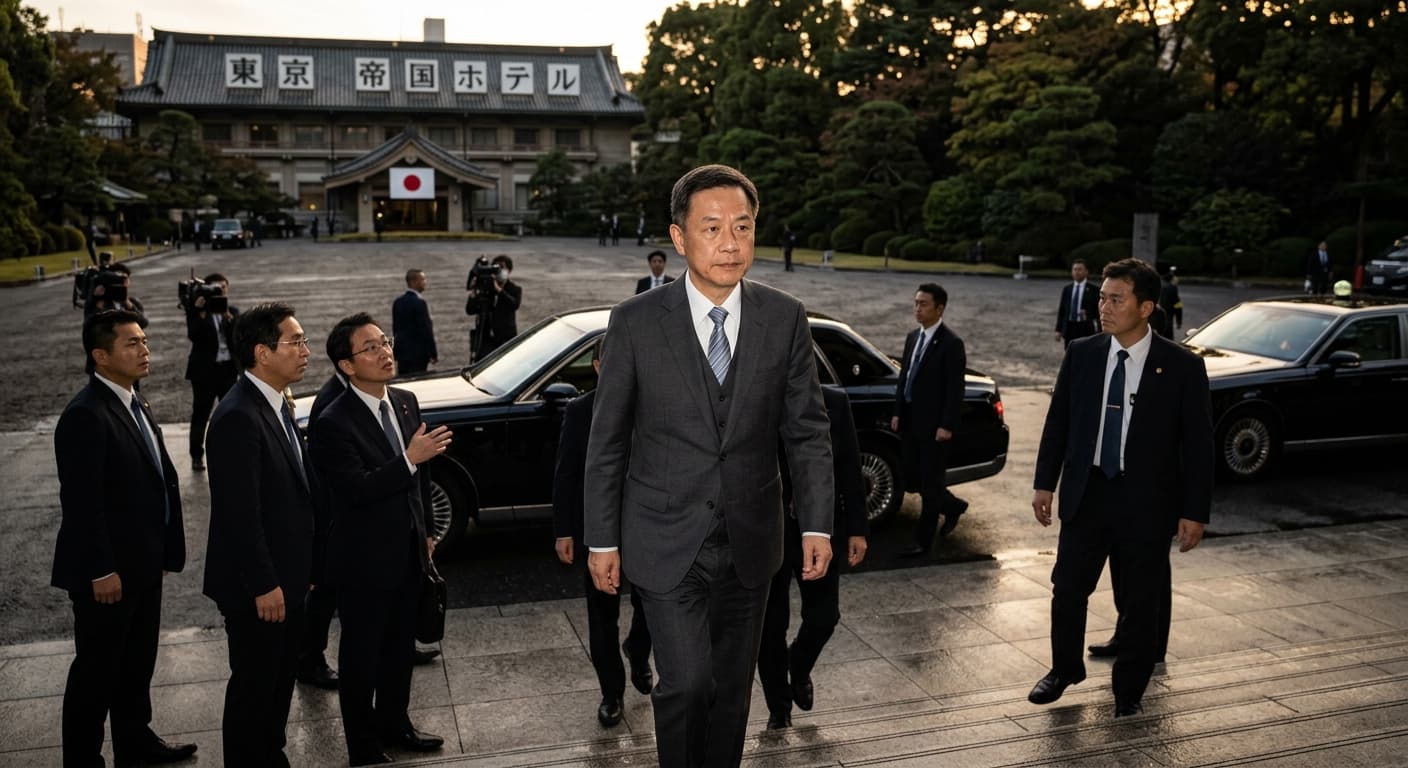
Taiwan Premier's Historic Tokyo Visit
Taiwan Premier Cho Jung-tai's visit to Japan breaks a 54-year precedent, signaling a shift in Indo-Pacific dynamics amid China's coercion.
India
Lipulekh Pass Reopens: India-China Trade
India and China reopen the Lipulekh Pass for cross-border trade, signaling a cautious thaw in relations after years of frozen frontier and diplomatic tensions.