Kalyan Banerjee Slams BJP on Women Bill
TMC challenges BJP's approach to women's representation in Parliament
Model Diplomat3 min readIndia

TMC's Kalyan Banerjee tells BJP: 'Stop theatrics over women reservation bill'
India’s Parliament faces a strategic tussle over three pivotal bills reshaping electoral politics, with TMC pushing back on BJP’s approach to women’s representation.
Kalyan Banerjee of the Trinamool Congress (TMC) criticized the Bharatiya Janata Party (BJP) over its handling of the Constitution (131st Amendment) Bill, 2026, which aims to reserve one-third of parliamentary seats for women. This sharp retort came amid a fraught parliamentary session dominated by intense debates on three major bills: the 131st Amendment, the Delimitation Bill to increase Lok Sabha seats and redraw constituencies per the 2011 Census, and related legislation impacting India's political landscape Hindustan Times.
Why These Bills Matter
The 131st Amendment represents a landmark push to institutionalize gender equity in Indian politics. Despite India’s reputation as the world's largest democracy, women have historically occupied a marginal share of legislative seats—hovering just around 14-15%. By mandating 33% reservation, the bill aims to correct this disparity, injecting a new power dynamic into parliamentary proceedings.
However, the BJP's perceived "theatrics," as Banerjee put it, highlight underlying political strategy more than consensus-building. Women’s reservation has long been a contentious issue across parties. BJP’s approach, critics say, appears tactical—perhaps designed to claim progressive credentials while negotiating power amidst the redistricting changes that the Delimitation Bill proposes.
The Delimitation Bill itself has huge implications, increasing Lok Sabha seats and reshaping electoral constituencies based on outdated 2011 census data. This redistricting can significantly alter vote shares and political fortunes. Historically, delimitation exercises provoke winners and losers—it redistributes power between states and within them, often sparking intense regional and caste-based contestations.
Context: Power Play Behind the Scenes
The tension around these bills is characteristic of India’s high-stakes parliamentary politics where reforms often intersect with partisan advantage. BJP currently holds a majority in the Lok Sabha, making passage plausible. Yet, opposition parties like TMC, Congress, and others are wary.
TMC’s pushback could signal wider resistance from regional players concerned over how delimitation might threaten their existing dominance. Lok Sabha expansion also raises questions about proportional representation and state-level power balances, which some parties argue BJP could exploit to bolster its electoral base.
Further, the women’s reservation debate exposes deeper gender and political factionalism issues. While broad support exists for more female legislators, party leaders fear seat reallocations might disrupt sitting male incumbents or diminish their influence within party hierarchies.
What to Watch Next
- Parliamentary proceedings: The pace and outcome of votes on these bills will indicate whether BJP can maintain legislative momentum or face stubborn opposition from regional blocs like TMC or Congress.
- Delimitation impacts: Once constituencies are redrawn, watch for shifts in electoral alliances and state-level political battles as parties recalibrate strategies.
- Women’s political mobilization: If the 33% quota becomes law, tracking which women ascend within parties and how this reshapes policy priorities will be critical for understanding real gender empowerment in Indian politics.
This episode underscores how reform proposals in India are never just about policy—they're chess moves reflecting broader struggles for political dominance, representation, and the future shape of Indian democracy.
For deeper insights into India's political dynamics, see our India Profile and broader
Global Politics coverage.
Discover more
India
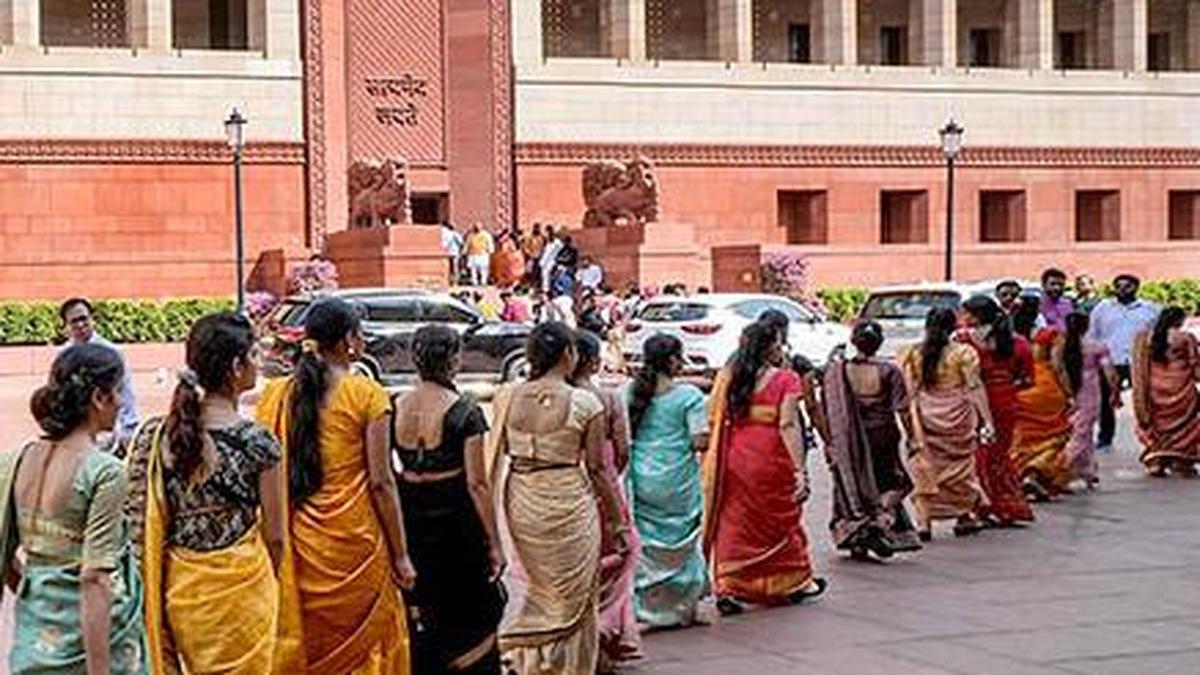
India's 33% Women’s Reservation Bill
India's Lok Sabha debated a historic bill reserving 33% of seats for women, a measure aimed at transforming representation and advancing gender equity.
India
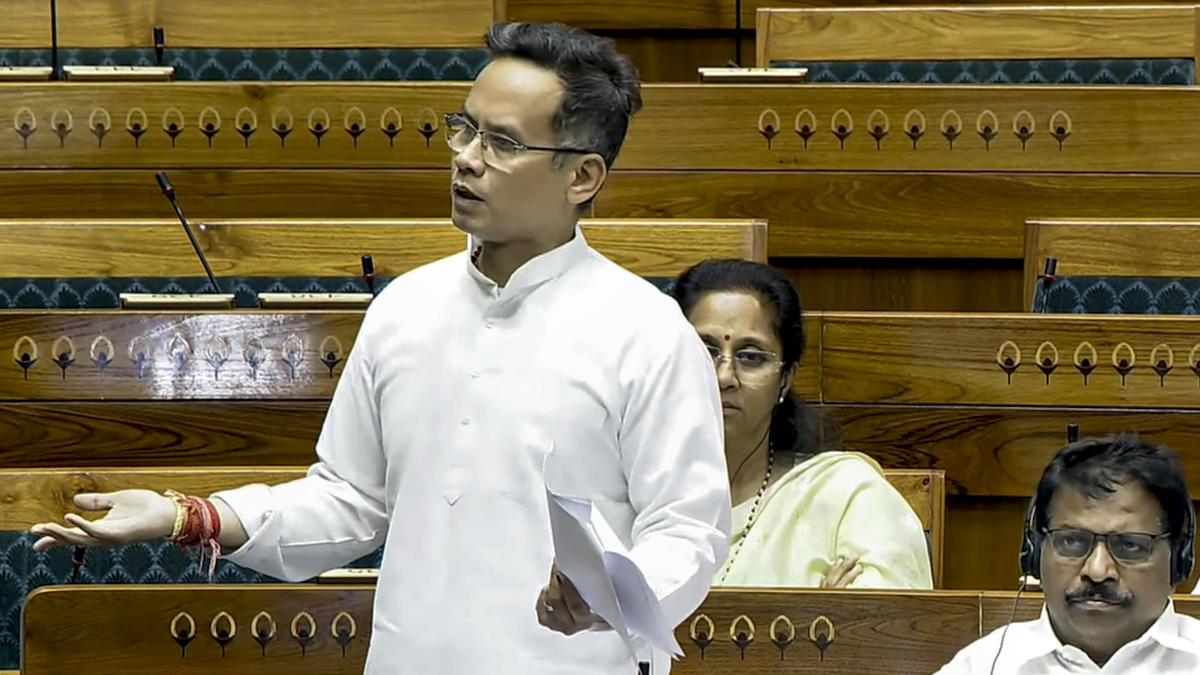
Congress: Modi's Delimitation Manipulation
Congress accused the Modi government of using delimitation to consolidate power in Jammu and Kashmir, urging it be separated from the women's reservation bill.
India
Congress Accuses Modi of Delimitation Deceit
Congress accuses Modi's government of deceit over delimitation, charging it skips a caste census and reshapes political dynamics to its favor before elections.

Conflict & Security
Drone Warfare Killing Aid Workers at Unprec
Over 1,000 humanitarian workers killed in three years as cheap armed drones collapse legal protections. Gaza, Sudan, Ukraine, and DRC see deliberate targeting of aid convoys and hospitals with zero prosecutions.