Stalin's Black Flag Protest Against Delimita
Stalin urges citizens to protest against Centre's delimitation plan
Model Diplomat3 min readTamil Nadu
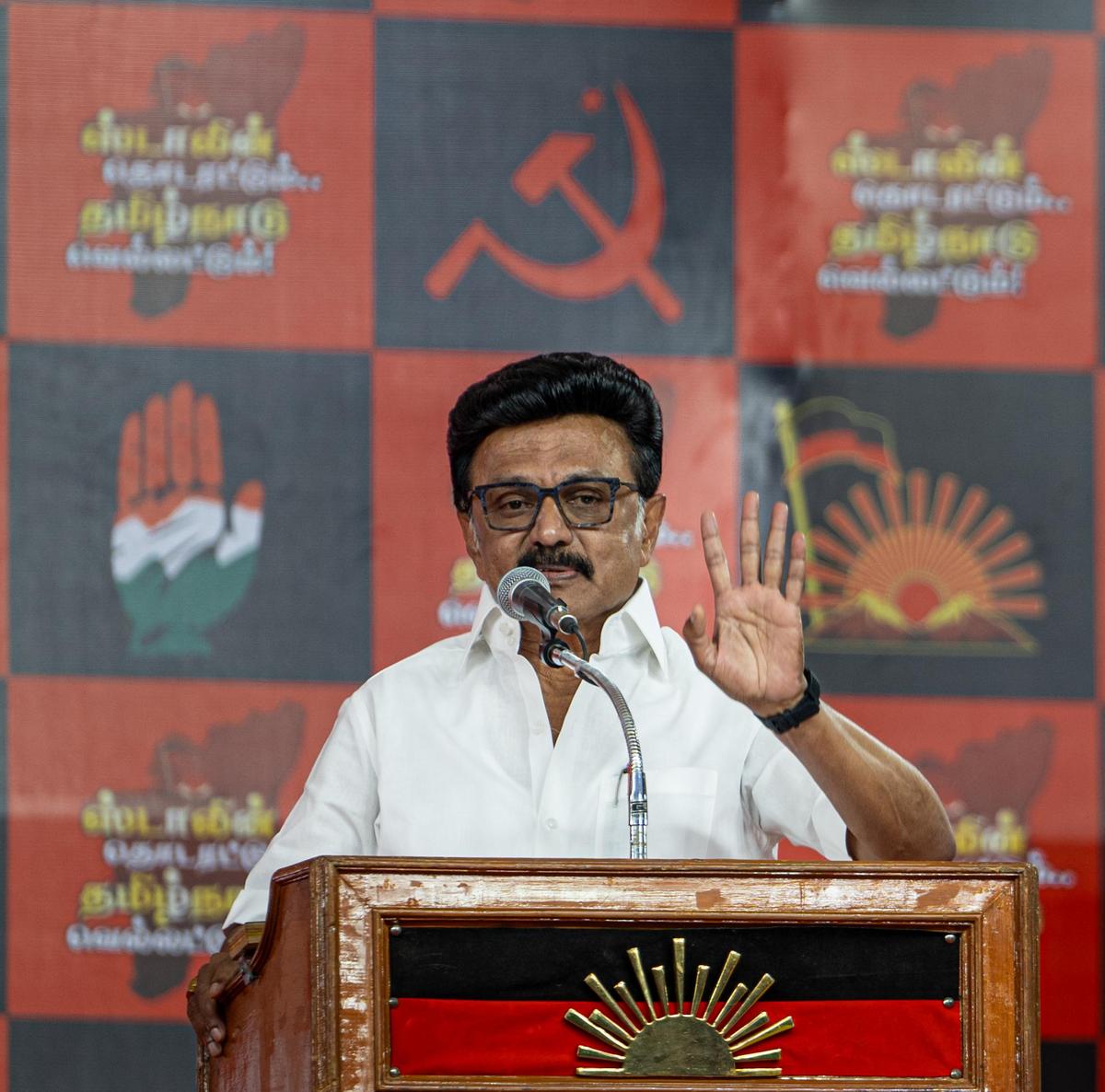
Tamil Nadu CM Stalin Calls for Black Flag Protest Against Centre’s Delimitation Plan
Tamil Nadu Chief Minister M.K. Stalin branded the Centre’s delimitation proposal a “black law,” urging public protests with black flags on April 16, warning of political marginalization.
A Defiant Rejection of Delimitation
On April 16, 2026, Tamil Nadu Chief Minister M.K. Stalin called on citizens to hoist black flags on their homes and public places, a symbolic gesture of protest against the central government’s proposed delimitation amendment. According to The Hindu, Stalin described the move as a “black law” concocted to systematically undermine Tamil Nadu's political representation and warned that the redrawing of electoral boundaries could drastically reduce the state’s allocation of seats.
The delimitation exercise involves redrawing the boundaries of parliamentary and assembly constituencies based on the latest census data. While such exercises are routine after every census, Tamil Nadu’s leadership sees this amendment as highly skewed and politically motivated. Stalin's rhetoric signals a sharp escalation in tensions between the state government and the Centre, reflecting longstanding apprehensions about Tamil Nadu’s political influence shrinking relative to northern states.
Why Delimitation Matters in Tamil Nadu
Delimitation is more than just boundary redrawing; it determines electoral power and resource allocation. Tamil Nadu, with significant political stature and a robust regional identity, fears that the Centre’s plan will blunt its electoral weight—especially given that the 2021 Census showed demographic shifts favoring states like Uttar Pradesh and Bihar, which politically lean towards the ruling BJP.
Stalin’s charge that this is a conspiracy taps into deeper regional angst about federal equity. Tamil Nadu has historically pushed back against what it perceives as northern centralization, fueled by linguistic, cultural, and economic differences. The opposition to delimitation dovetails with earlier protests over language policies and resource allocations such as river water sharing. Now, electoral boundaries, which directly affect the number of parliamentary and assembly seats, have become a flashpoint in Tamil politics.
For context, India last undertook a delimitation exercise in 2008 based on the 2001 census, resulting in seat redistributions without dramatic political upheaval. This proposed amendment, however, contradicts a freeze on state-wise seat allocation that has been in place since 1976 to encourage population control. Lifting or altering this freeze now means states with higher population growth could gain more seats, directly threatening Tamil Nadu’s seat count despite its successful family planning achievements.
What to Watch Next
The black flag protest is likely just a beginning. This issue will test the robustness of India’s federal system and the Centre-state relationship, particularly between the BJP-led national government and Dravidian-led Tamil Nadu.
Key points to watch:
- How the opposition parties in Tamil Nadu, chiefly DMK under Stalin, consolidate against the Centre’s plan, including potential legal challenges.
- The Centre’s response—whether it will amend the proposal to quell dissent or press ahead despite regional backlash.
- The electoral implications for the 2029 general elections and 2026-27 state polls in Tamil Nadu if the delimitation effects materialize.
- Broader ripple effects on other southern states wary of losing political leverage in Parliament.
Tamil Nadu’s pushback highlights the fragility around electoral reforms in India’s diverse federation. As this battle unfolds, it underscores the inherent tensions when demographic change meets political calculation, especially under a central government intent on reshaping the country’s power map.
For broader context on India’s federal dynamics and state politics, see India’s political profile and
Global Politics.
Sources:
Discover more
India
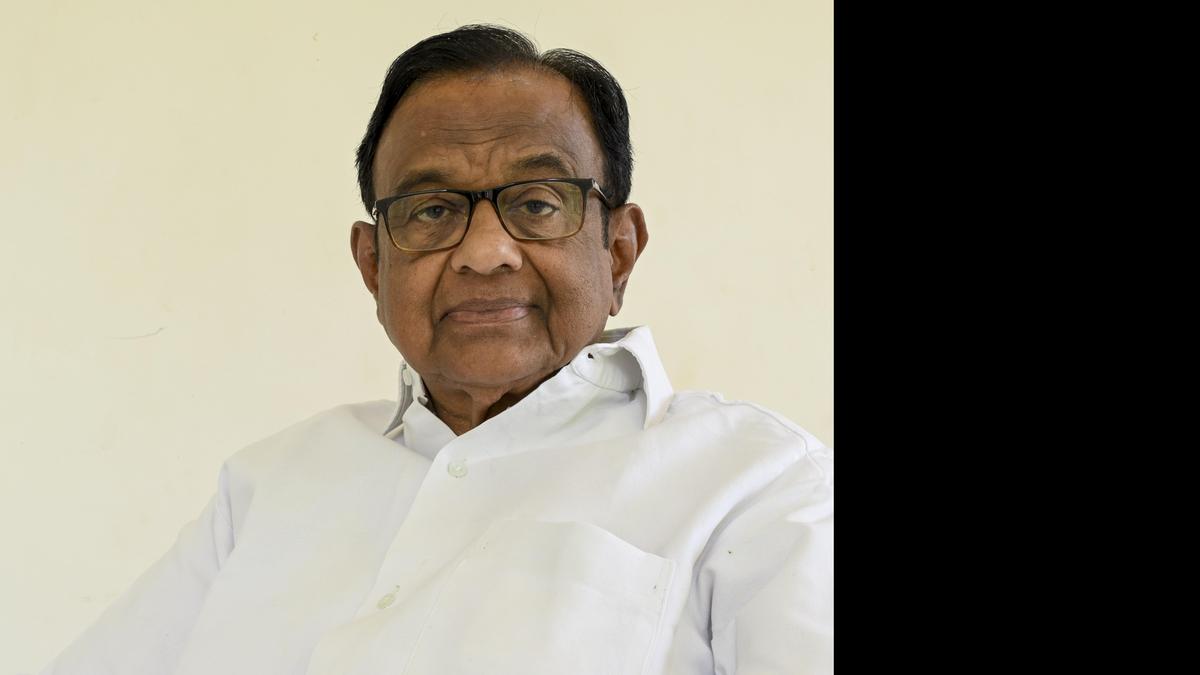
Delimitation Threatens Southern States' Power
P. Chidambaram warns India's delimitation plan could dilute southern states' parliamentary influence, reshaping the country's political balance and power map.
India
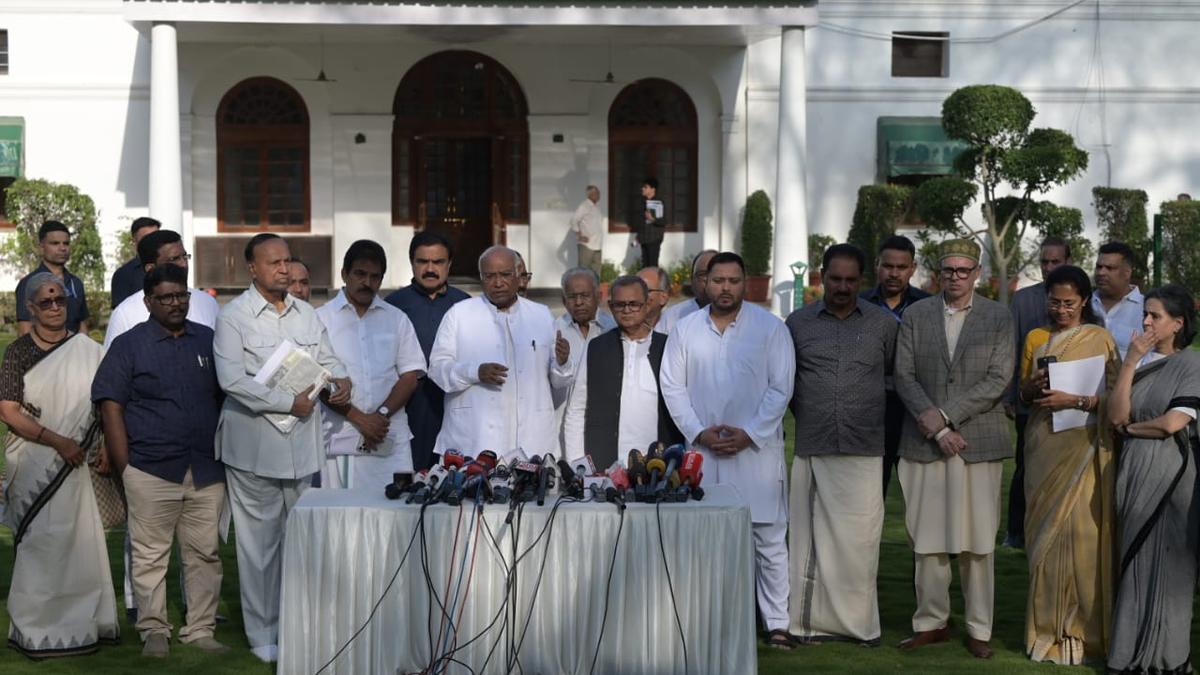
India Opposition Coalition Battles Delimiting
India's Congress-led opposition unites against the Delimitation Bill, warning of threats to electoral fairness and regional representation ahead of elections.

India
Sharmila Challenges Delimitation Bill in AP
Andhra Congress chief Y.S. Sharmila urged the state's leaders to unite against the Delimitation Bill, warning of serious political risks for Andhra Pradesh.

Conflict & Security
Drone Warfare Killing Aid Workers at Unprec
Over 1,000 humanitarian workers killed in three years as cheap armed drones collapse legal protections. Gaza, Sudan, Ukraine, and DRC see deliberate targeting of aid convoys and hospitals with zero prosecutions.