Sharmila Challenges Delimitation Bill in AP
Sharmila urges unity against the Central Government's bill
Model Diplomat3 min readAndhra Pradesh

AP Congress Chief Sharmila Pushes CM Naidu to Oppose Delimitation Bill
Sharmila calls on Andhra Pradesh leaders to unite against the Central Government’s proposed Delimitation Bill, warning of political risks for the state.
Andhra Pradesh Congress chief Y.S. Sharmila has taken a strong stand against the Union Government’s proposed Delimitation Bill, urging Chief Minister N. Chandrababu Naidu to vocally oppose the measure. She has suggested convening a special Assembly session to pass a resolution rejecting the bill and called for unity among MPs from different parties to mount collective resistance.
Delimitation Bill and Why Andhra Pradesh Is Alarmed
Delimitation is the process of redrawing the boundaries of electoral constituencies based on the latest census data, a routine exercise aimed at ensuring fair political representation. The Central Government’s current bill proposal intends to redraw these boundaries, but Andhra Pradesh leaders see this move as harmful to the state’s political interests.
The key worry is that delimitation could alter the allocation of assembly seats and parliamentary constituencies in ways unfavorable to Andhra Pradesh. The state, carved out of Telangana in 2014, already grapples with a volatile political landscape. Sharmila’s push signals a fear that the bill could skew representation, potentially diluting political power of key regions or communities within the state.
Chief Minister Naidu’s Telugu Desam Party (TDP) has traditionally been sensitive to delimitation since it affects the party’s strongholds and voter bases. The Congress leader’s call for a united front across party lines reflects the high stakes: opposition to the bill could consolidate political forces in Andhra Pradesh beyond usual rivalries.
Stakes Beyond Andhra Pradesh
This battle over delimitation is emblematic of larger political dynamics between states and the Central Government. Since delimitation affects how political power is distributed at the grassroots, it shapes electoral outcomes for years to come. For a state like Andhra Pradesh, which has seen recent political fragmentation and leadership upheaval, the stakes are even higher.
Historically, delimitation exercises—like the one after the 2001 Census—have triggered sharp political contests nationwide, affecting ruling parties and opposition alike. The proposed bill, perceived as centrally driven, adds a layer of federal tension with state governments wary of losing local influence. Opposition to the bill provides an opportunity for regional parties to assert themselves on a pan-India stage, leveraging issues of state rights and electoral autonomy.
What to Watch Next
The next key developments to monitor are CM Chandrababu Naidu’s response and whether the Andhra Pradesh Assembly will indeed convene a special session. If Naidu throws his weight behind the opposition, it could set off a broader state-level coalition against the Central Government on this issue.
The stance of Andhra Pradesh’s MPs across parties will also be telling. A united opposition in Parliament could complicate passage of the Delimitation Bill, forcing the Center to negotiate or revise key clauses.
At the national level, this episode underscores ongoing tensions over federalism and electoral reforms in India, signaling political fault lines that could harden ahead of the 2029 general elections.
For further context on India’s federal dynamics and parliamentary battles, see our India politics page.
Andhra PradeshDelimitation BillYs SharmilaN Chandrababu NaiduPolitical RepresentationCentral Government
Discover more
India
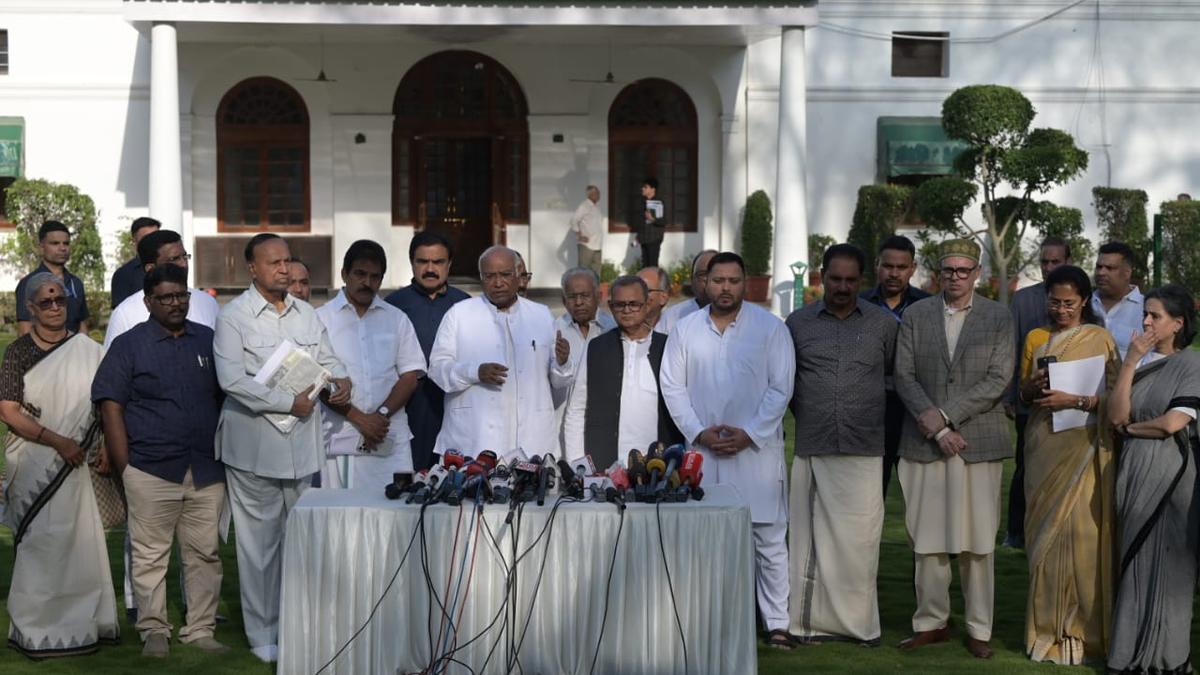
India Opposition Coalition Battles Delimiting
India's Congress-led opposition unites against the Delimitation Bill, warning of threats to electoral fairness and regional representation ahead of elections.
India
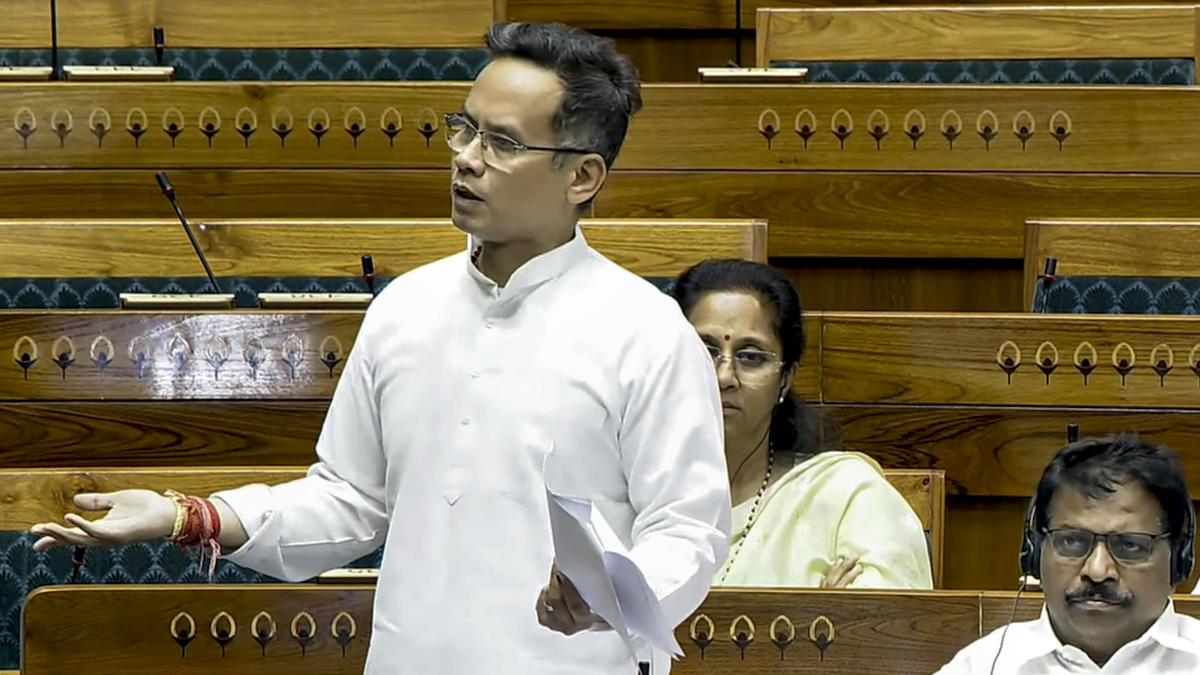
Congress: Modi's Delimitation Manipulation
Congress accused the Modi government of using delimitation to consolidate power in Jammu and Kashmir, urging it be separated from the women's reservation bill.
India
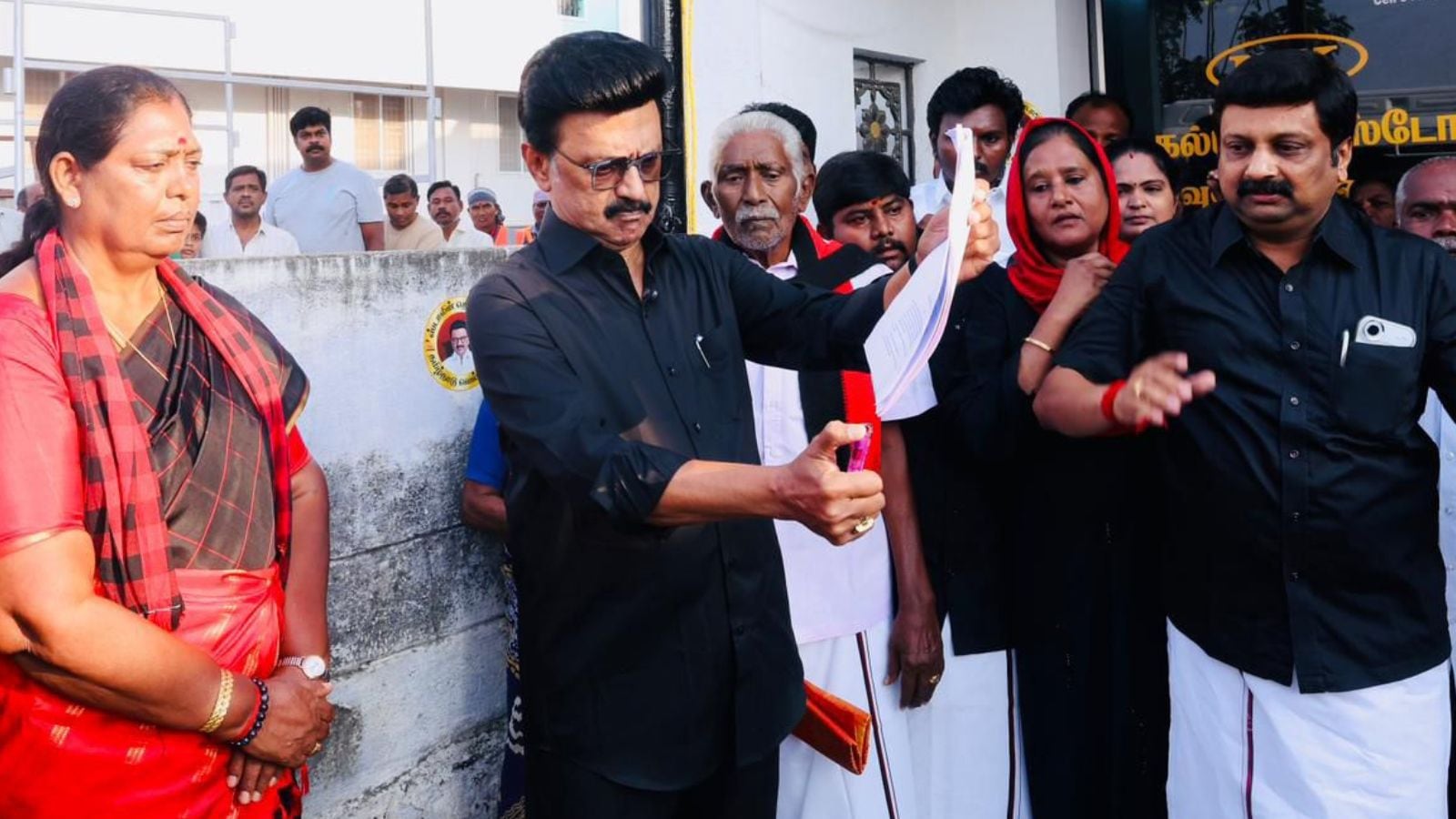
India's Parliament Debates Women's Quota Bill
India's Parliament debated landmark women's reservation and delimitation bills set to reshape representation, seat allocation, and the wider political balance.

Conflict & Security
Drone Warfare Killing Aid Workers at Unprec
Over 1,000 humanitarian workers killed in three years as cheap armed drones collapse legal protections. Gaza, Sudan, Ukraine, and DRC see deliberate targeting of aid convoys and hospitals with zero prosecutions.