Surrey Lib Dem Sweep Signals a Tory Turf Collapse
The Lib Dems have won both new Surrey councils before they even take power, turning a boundary reorganisation into a warning shot for the Conservatives.
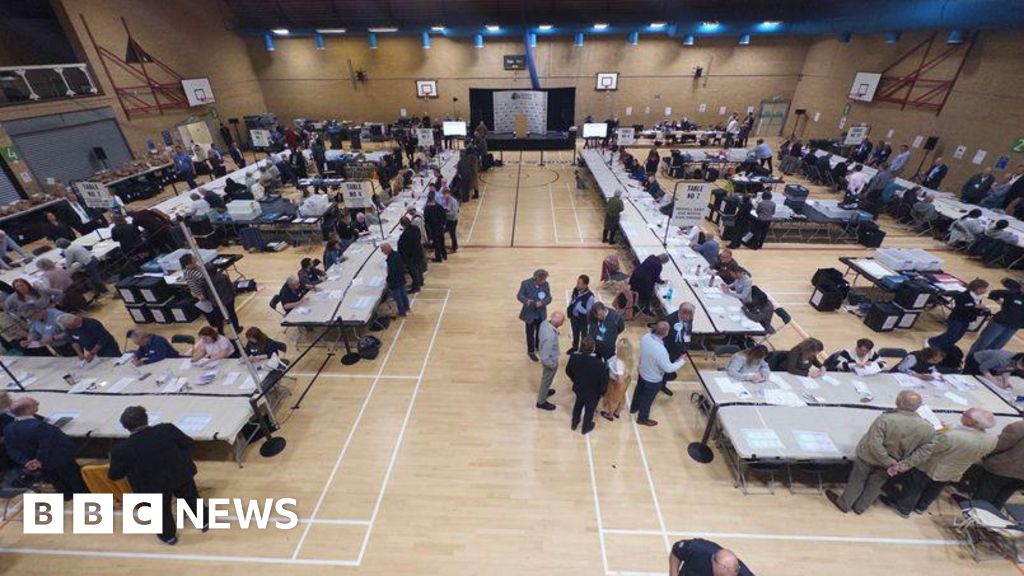
The Liberal Democrats have taken control of both new councils being created in Surrey, winning 56 seats in West Surrey and 40 in East Surrey — comfortably above the majority thresholds of 46 and 37, respectively, the  BBC reported. That makes this more than a local result: the party is capturing the institutions that will run services in one of England’s most affluent Conservative territories before those councils formally replace the old system in 2027.
A reorganisation the Lib Dems moved fastest to exploit
Surrey is being split into two unitary authorities that will replace Surrey County Council and the county’s 11 borough and district councils, with the winners of this week’s vote serving first as “shadow authorities” before full handover in 2027, according to the BBC. That structure matters. Shadow councils do not just carry symbolic value: they start setting the tone for staffing, budgets, and the transfer of powers from the outgoing councils.
The Liberal Democrats understood the opening. Their message in Surrey was not just anti-Tory; it was administrative. Chris Coghlan, the Lib Dem MP for Dorking and Horley, told the BBC it was a “historic day for Surrey” and framed the win as a rejection of “the politics of division.” In the same story, Bridget Kendrick said voters had backed a “fresh start” and a reset after decades of Conservative control.
That is the real power shift: the Lib Dems have turned a technical map change into a transfer of political ownership.
Why this hits the Conservatives harder than a normal council loss
Surrey has long been Conservative country, and the county result underscores how fragile that inheritance has become. The BBC said the Tories had run the county council for decades; now they are being pushed out of the top job in both successor authorities. Local government specialist  LGC said the Conservatives are set to become the opposition in West Surrey, with Reform UK also winning a foothold but not a breakthrough.
That matters nationally because Surrey is not a symbolic backwater. It is a test of whether the Conservatives can still defend prosperous commuter territory when local grievances — roads, housing, cost of living, special educational needs and disabilities — cut across old party loyalties. The BBC reported those issues were front of mind for voters in Farnham, while Coghlan singled out SEND as a major responsibility if the Lib Dems took control.
Reform’s role is also instructive. Ed Davey told the BBC his party was “the only party who’s actually held off Reform,” and Surrey suggests the Lib Dems are doing exactly that in middle-class, low-turnout local contests where anti-establishment protest is often strongest.
What to watch next
The next test is not the headline count; it is whether these shadow councils can show they can govern before vesting day in April 2027. The BBC has already flagged the hard part: debt, especially in the west, plus adult social care and SEND pressures. If the Lib Dems can present a credible budget and a clean transition, this becomes a template for other Conservative-facing areas. If they stumble, the result will look like a protest vote rather than a durable realignment.
For a broader read on how local power shifts feed national politics, see  Global Politics.