Stalin's Black Flag Protest
Tamil Nadu's CM leads protests against delimitation amendment
Model Diplomat3 min readTamil Nadu
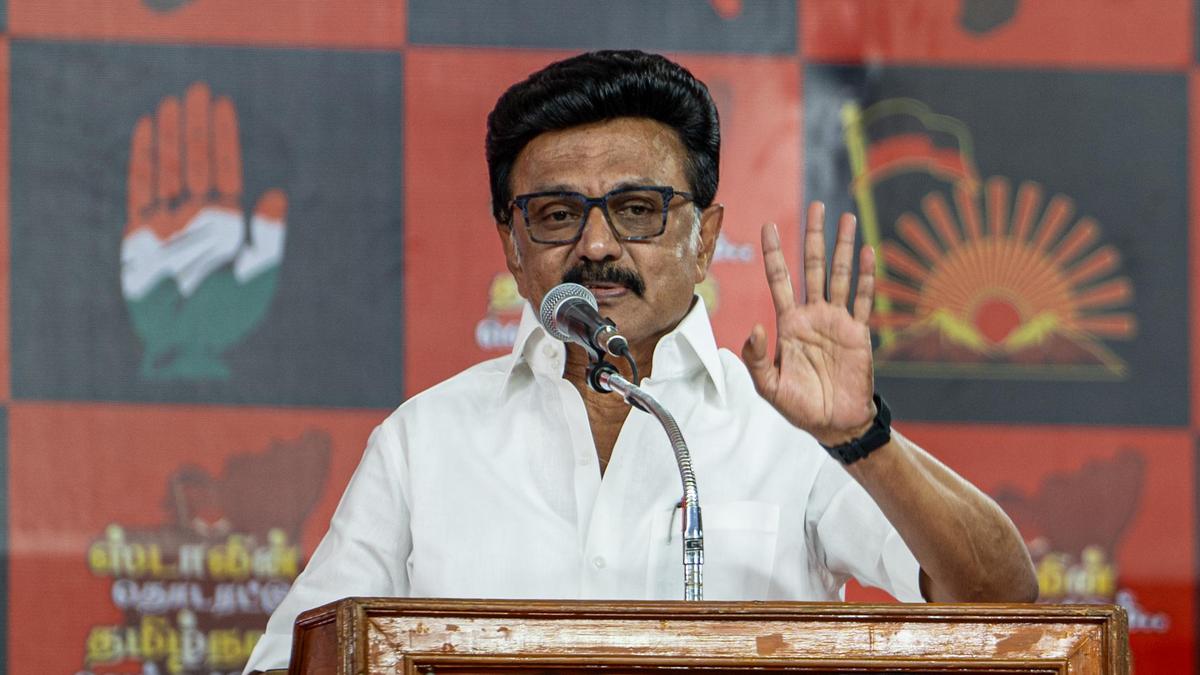
TN CM Stalin’s Black Flag Protest: A New Flashpoint in India’s Delimitation Debate
Tamil Nadu’s Chief Minister M.K. Stalin called for black flag protests on April 16 against a proposed delimitation amendment, escalating a simmering conflict over electoral boundaries.
On April 16, Tamil Nadu Chief Minister M.K. Stalin (Dravida Munnetra Kazhagam, DMK) urged citizens to hoist black flags at homes and public places as a form of protest against a proposed amendment to the delimitation process. Stalin labeled the bill a “black law,” framing it as an issue threatening not just Tamil Nadu but the nation’s federal balance. He also convened a meeting with party MPs and district leaders to mobilize organized political opposition to the amendment. The Hindu
What Is Delimitation and Why Tamil Nadu Is Alarmed
Delimitation is the redrawing of electoral boundaries to reflect demographic changes, a routine democratic exercise intended to ensure equal representation. However, it has long been contentious in India, as boundary shifts can dramatically alter political fortunes.
Tamil Nadu has been particularly sensitive due to perceived central government overreach and fears that delimitation will dilute the political weight of specific communities or regions within the state. The DMK government alleges the amendment is designed to favor ruling parties at the center and reshape electoral maps without adequate consultation, undermining federal principles.
This is not the first time delimitation has sparked regional backlash. Historically, southern states like Tamil Nadu have opposed measures they see as attempts by the central government—currently led by the Bharatiya Janata Party (BJP)—to weaken regional parties and assert bigger control in state politics. Stalin’s “black law” comment evokes a long-standing narrative of Tamil Nadu’s pushback against the centralizing tendencies of Delhi.
The Stakes: Identity, Political Power, and Federalism
The opposition to this delimitation amendment taps into broader anxieties in Tamil Nadu over preserving linguistic identity and political autonomy. Delimitation affects which groups are prioritized in electoral rolls and how assembly constituencies are carved up, with ripple effects on resource allocation and development projects.
As CM Stalin frames the mobilization as a national issue, the protest tangibly signals the DMK’s intent to rally not just local but pan-Indian support—an indicator of how regional parties are positioning themselves as federal watchdogs against perceived BJP majoritarianism.
The strategy of hoisting black flags—a symbolic act historically tied to anti-establishment and anti-caste struggles in Tamil Nadu—roots this political dispute in the cultural memory of resistance movements. It’s also a signal to BJP that the state’s ruling coalition can unify public sentiment to counterbalance central legislative intents.
What to Watch Next
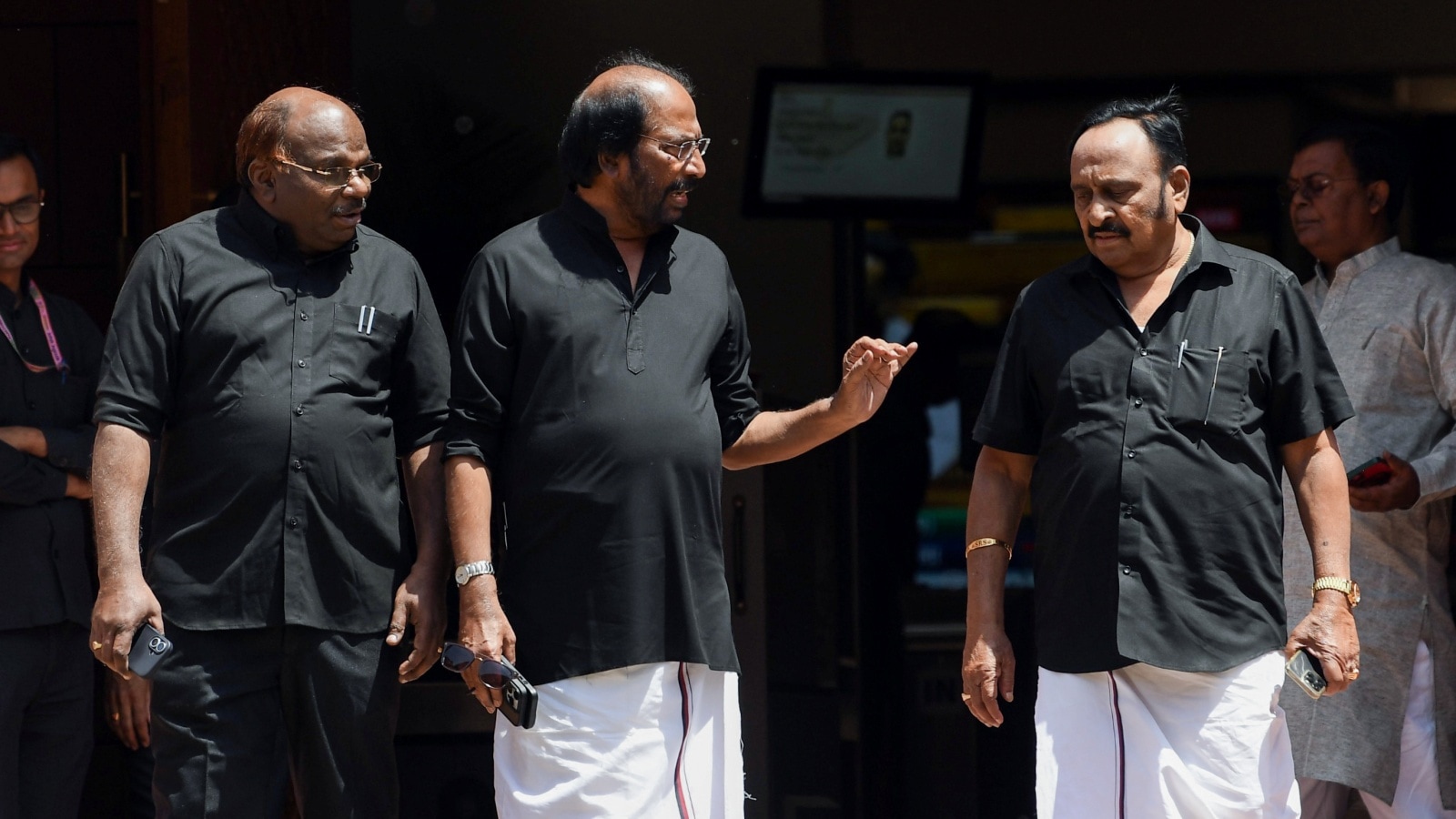
- Parliamentary Response: With MPs involved in organizing opposition, watch if this protest translates into coordinated resistance during legislative debate, potentially stalling or diluting the amendment.
- State-Center Relations: The intensity of Tamil Nadu’s protests may harden relations with the central government, complicating cooperation on other fronts like infrastructure and social programs.
- Electoral Impact in 2026-27: Delimitation redraws the electoral map ahead of crucial state and national elections. How the DMK leverages this issue electorally—and how the BJP responds—could reshape political contours for years.
This episode fits into a broader storyline of regional parties asserting their stake and resisting Delhi’s perceived centralizing push, especially in the south. Tamil Nadu is setting the stage for a political contest that extends beyond electoral boundaries into the heart of India’s federal architecture.
For a deeper dive into the complex politics of India’s federal relations, see India's Political Landscape.
In sum, Stalin’s black flag call is far more than a protest over lines on a map. It’s a strategic stance in an ongoing struggle over political power, representation, and the resilience of India’s federal system. Watch how this unfolds in the coming weeks—it could redefine center-state dynamics well beyond Tamil Nadu.
Discover more
India
Delimitation Bill Controversy
India's Delimitation Bill ignites fierce debate, raising fears over federal representation and shifting the balance of political power among the states sharply.
India
India's Delimitation Debate
India's delimitation debate pits federalism against equal voter representation, with population-based seat changes set to reshape future electoral power.
India
Delimitation in India
India's delimitation exposes a deepening struggle between federalism and equal voting power under Modi's centralizing politics and shifting seat allocation.

Conflict & Security
Drone Warfare Killing Aid Workers at Unprec
Over 1,000 humanitarian workers killed in three years as cheap armed drones collapse legal protections. Gaza, Sudan, Ukraine, and DRC see deliberate targeting of aid convoys and hospitals with zero prosecutions.