South India Retains Lok Sabha Seats Amid Delm
Government assures no loss of seats for southern states
Model Diplomat3 min readSouth India
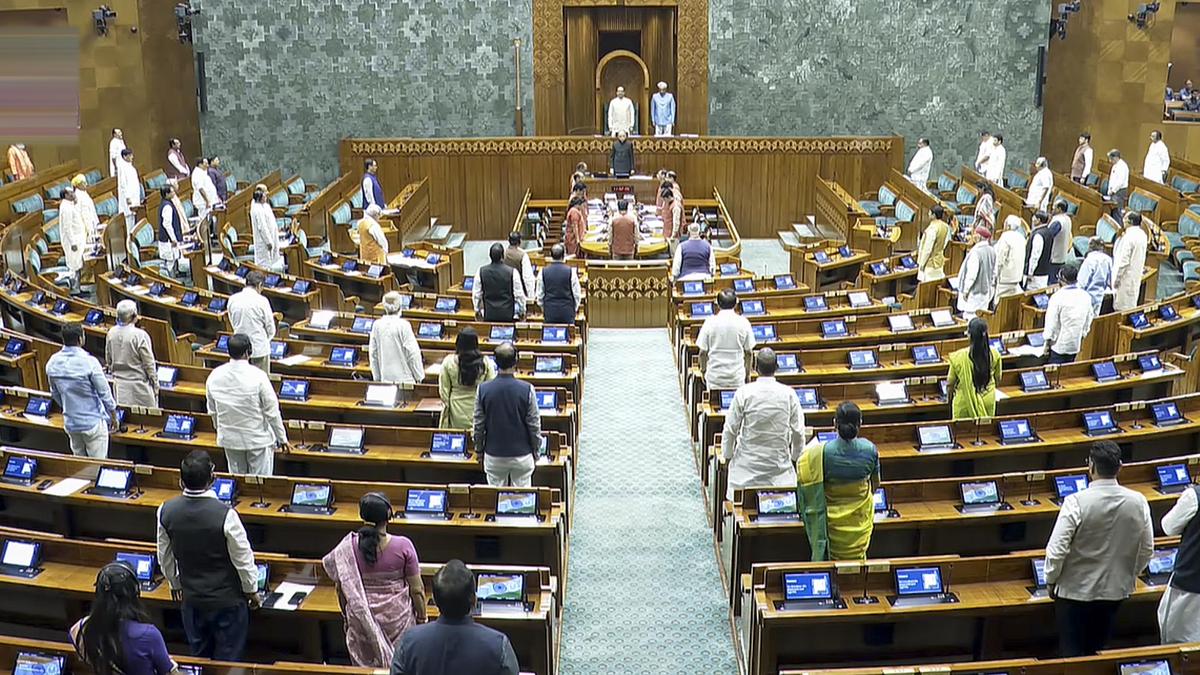
South India Won’t Lose Seats in Upcoming Delimitation, Govt Assures Parliament
The Indian government promises a 50% increase in Lok Sabha seats, maintaining existing state shares. Home Minister Amit Shah will clarify the process amid southern concerns.
The Indian government announced that the upcoming delimitation exercise will not reduce the parliamentary representation of any southern state. Instead, the total number of Lok Sabha seats will increase by 50%, with additional seats allocated proportionally so that states retain their existing relative strengths. Home Minister Amit Shah is expected to address Parliament soon to clarify these details and ease concerns from southern states.
Why This Matters: The Stakes Behind Delimitation
Delimitation—the redrawing of electoral boundaries—matters in India because it shapes the political balance across states and regions. Southern states like Tamil Nadu, Karnataka, Andhra Pradesh, and Kerala have expressed apprehension that delimitation could dilute their voice in the Lok Sabha, India’s lower house of Parliament. Historically, seat allocation dependency on population has stirred political tensions, especially as the last delimitation was frozen in 1976 until the 2026 exercise to promote family planning.
The government’s plan to increase Lok Sabha seats by 50%—from 543 to around 816—would expand parliamentary representation while maintaining the relative share of each state. This means southern states won’t lose seats to faster-growing states like Uttar Pradesh or Bihar; instead, every state gains seats in line with its existing proportion of the population. This is a significant reassurance because demographic shifts heavily favor northern states, and politicians fear losing influence.
Amit Shah’s upcoming parliamentary remarks reflect the government’s awareness of the political sensitivity here. The ruling BJP’s stronghold is traditionally in the north and west, while the south has been a bastion for regional parties like DMK, AIADMK, and Congress allies. Ensuring no southern state loses representation could be a strategic effort to prevent alienation ahead of the 2029 general elections.
Historical Context: The 1976 Freeze and Its Fallout
The delimitation freeze under the 42nd Amendment was designed to promote population control but had the unintended effect of skewing representation over decades. States that successfully controlled population growth faced a relative reduction in parliamentary strength, while states with higher growth rates gained seats by default.
This recalibration in 2026 marks a rare course correction and will have wide ripple effects on Indian electoral politics. The challenge is balancing demographic reality with political equity—hence the 50% increase to keep proportions intact without penalizing any states.
What to Watch Next
Amit Shah’s parliamentary statement will be pivotal. Opposition parties and southern regional leaders will scrutinize the details to ensure the government sticks to its promise of no losses. Any perception of manipulation could spark political unrest or constitutional challenges.
The exact formula for seat allocation, constituency borders, and potential political fallout in states with rapid growth will be key. Watch for southern states’ reactions—whether this reassures them or whether they demand further guarantees.
This delimitation exercise isn’t just a technical redraw; it’s a political balancing act with long-term impact on Indian federal democracy and regional power dynamics.
For more on India’s political landscape, see India Profile and broader
Global Politics.
South states will not lose due to delimitation, will clarify in Parliament: Centre
Discover more
India
India's Delimitation Plan
India's new delimitation plan would let southern states keep their Lok Sabha seats, balancing demographic shifts against political power in the rework.
India
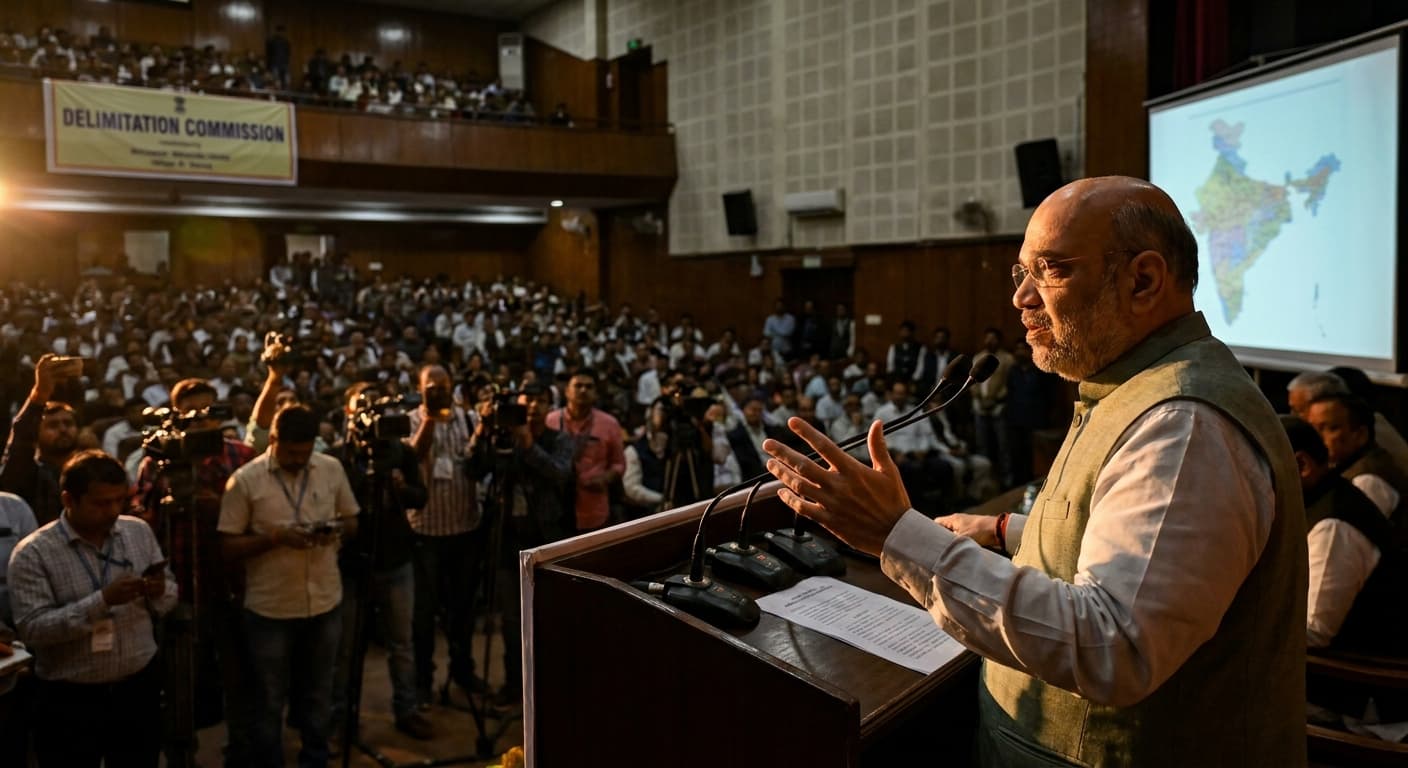
Amit Shah's Delimitation Boosts Southern MPs
Amit Shah said southern states will gain Lok Sabha seats under delimitation, boosting their representation while advancing women's reservation efforts in India.

India
India's Delimitation
India's delimitation could expand Lok Sabha seats and favor the North, igniting Southern opposition over representation, equity and regional political power.

Conflict & Security
Drone Warfare Killing Aid Workers at Unprec
Over 1,000 humanitarian workers killed in three years as cheap armed drones collapse legal protections. Gaza, Sudan, Ukraine, and DRC see deliberate targeting of aid convoys and hospitals with zero prosecutions.