Shashi Tharoor Questions Women's Quota Delim
Tharoor questions the rush behind delimitation for women's representation.
Model Diplomat3 min readIndia

Why Shashi Tharoor Balks at Delimitation Haste for Women’s Quota in India
Tharoor compares sudden delimitation push to demonetisation’s shock, questioning legal and political groundwork behind rapid move.
Shashi Tharoor’s sharp critique over the current push for delimitation in India, framed as a prelude to introducing a women’s quota in electoral politics, reveals deep fissures in the ruling party’s approach and the opposition’s cause. On April 16, 2026, the Congress MP questioned the rationale and legal foundation of the government’s plan, drawing frontline attention to a process traditionally seen as methodical and apolitical.
What Just Happened?
Home Minister Amit Shah recently indicated a “flat 50% increase” in representation as part of the long-awaited women’s reservation movement. This controversial target is tied to a delimitation exercise—redrawing electoral boundaries—that some lawmakers see as rushed and politically motivated. Tharoor condemned this haste, labeling it “like demonetisation,” a reference to the chaotic and sudden 2016 event that upended India’s currency system.
Critically, Tharoor asked where the government’s plan is “codified in writing,” spotlighting the lack of clear legal backing or procedural transparency. This skepticism is more than political posturing: delimitation usually demands extensive stakeholder consultation and legal clarity, especially when linked to a fundamental change like reserved seats for women.
Why This Matters
Delimitation is no small affair in India’s democracy. It adjusts representation to reflect population changes but can be weaponized for electoral advantage. The last delimitation, completed in 2008, significantly altered political landscapes, often benefiting incumbents or the ruling party regionally.
Linking this to a guaranteed reservation for women—an important democratic goal but constitutionally complex—raises stakes. If done without robust legal processes, it risks igniting constitutional challenges and deepening distrust in electoral fairness. India's political landscape, already polarized along party, caste, and regional lines (India Profile), could fracture further.
Tharoor’s comparison to demonetisation is deliberate and telling. That move bypassed Parliament, caught citizens off-guard, and led to economic turbulence. Suggesting delimitation shares these “hastiness” and opacity traits implies the government may be courting unintended consequences on democratic stability.
Moreover, women’s reservation has been pending since the 1990s and comes with its own political baggage. BJP’s move to push it now, linked tightly with delimitation, could be a strategic attempt to consolidate support in key states and constituencies ahead of general elections. Yet, without clear legislation and bipartisan backing, the reform risks being seen as opportunistic rather than progressive.
What to Watch Next
The coming weeks will reveal how the BJP intends to translate this plan into law—and whether it can successfully navigate India’s complex court system and parliamentary procedures. Opposition pressure, led vocally by figures like Tharoor, will likely demand transparency, a clear timeline, and a halt to any delimitation that appears rushed or politically engineered.
This debate also signals the political turbulence surrounding women’s quota legislation—a progressive cause complicated by procedural and partisan wrangling. Monitoring parliamentary sessions, judicial challenges, and state-level responses is crucial to understanding whether this is genuine reform or a political gambit.
In sum, the clash around delimitation and quota reflects broader issues in Indian democracy: governance style, legal norms, and the balance between rapid reform and institutional stability. The stakes go beyond representation, touching on the legitimacy and future of electoral politics in the world’s largest democracy.
For more on India’s political ecosystem, see India Politics.
Source: Hindustan Times
Discover more
India
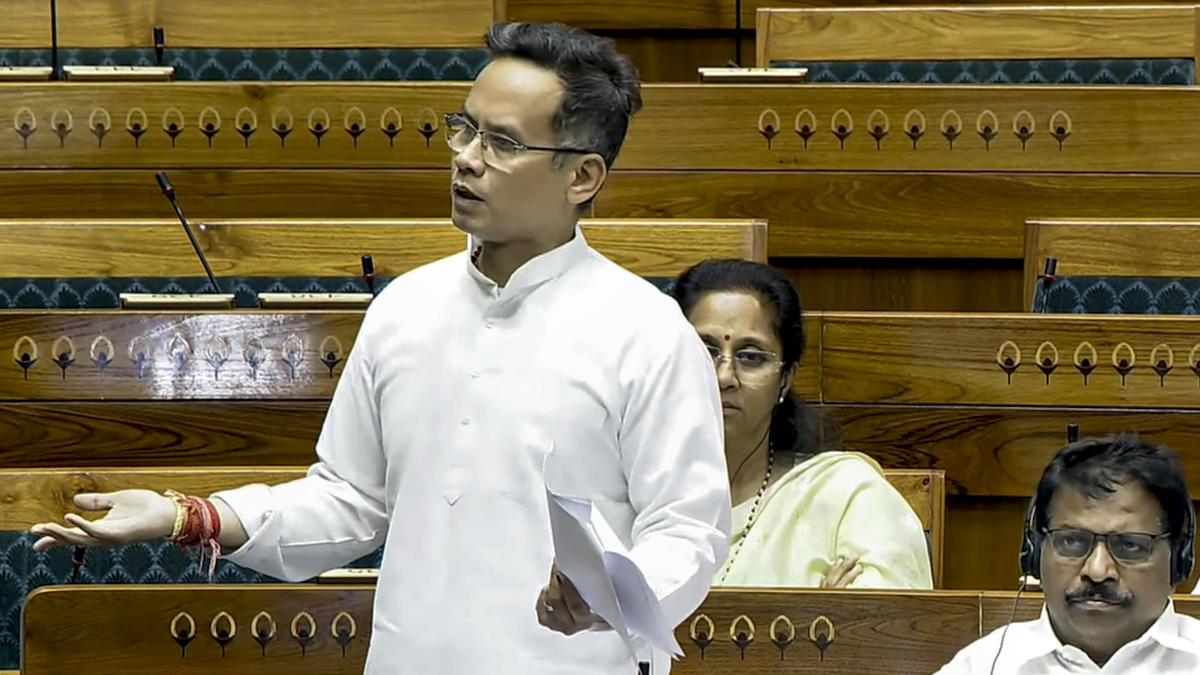
Congress: Modi's Delimitation Manipulation
Congress accused the Modi government of using delimitation to consolidate power in Jammu and Kashmir, urging it be separated from the women's reservation bill.
India
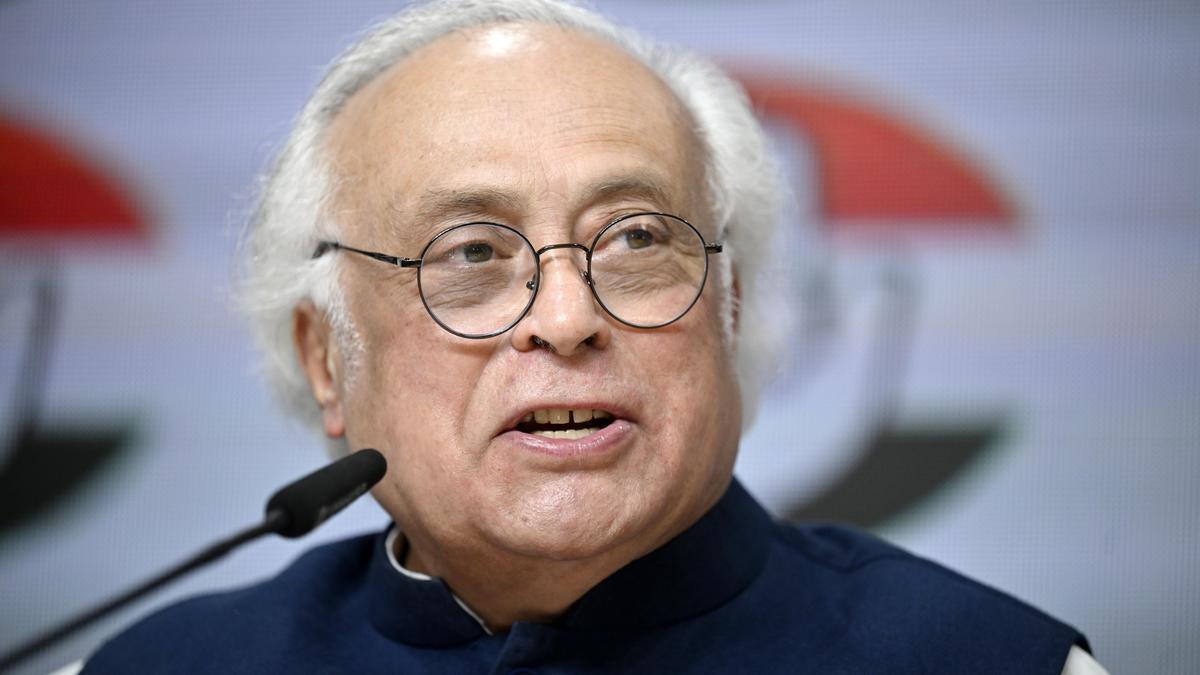
Congress Accuses Modi of Delimitation Deceit
Congress accuses Modi's government of deceit over delimitation, charging it skips a caste census and reshapes political dynamics to its favor before elections.
India
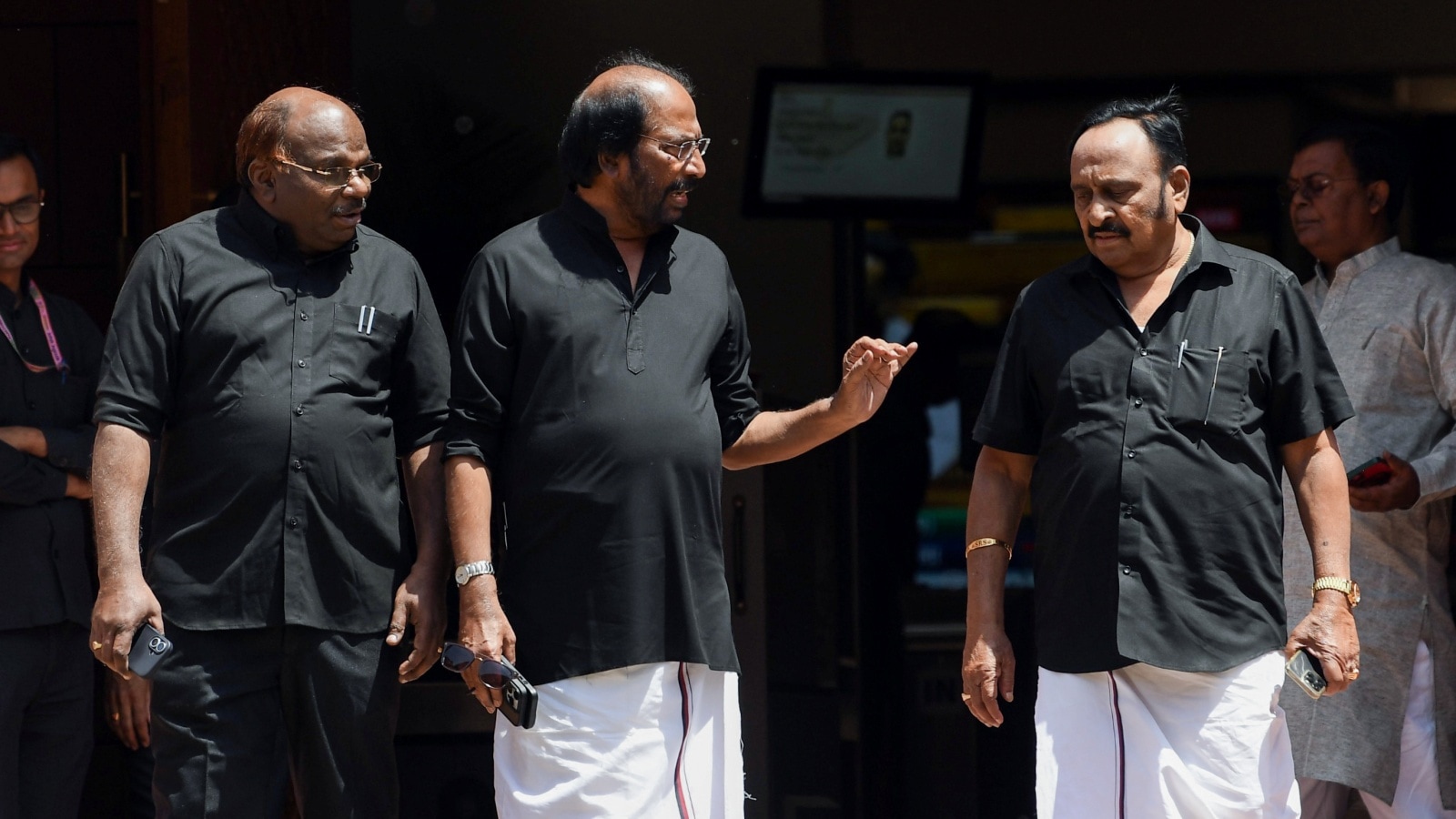
Delimitation Bill Controversy
India's Delimitation Bill ignites fierce debate, raising fears over federal representation and shifting the balance of political power among the states sharply.

Conflict & Security
Drone Warfare Killing Aid Workers at Unprec
Over 1,000 humanitarian workers killed in three years as cheap armed drones collapse legal protections. Gaza, Sudan, Ukraine, and DRC see deliberate targeting of aid convoys and hospitals with zero prosecutions.