Senate Vote on War Powers
Senate to vote on limiting Trump's military actions against Iran
Model Diplomat3 min readUnited States

War Powers Vote Will Test Senate's Support for Trump's Iran Policy
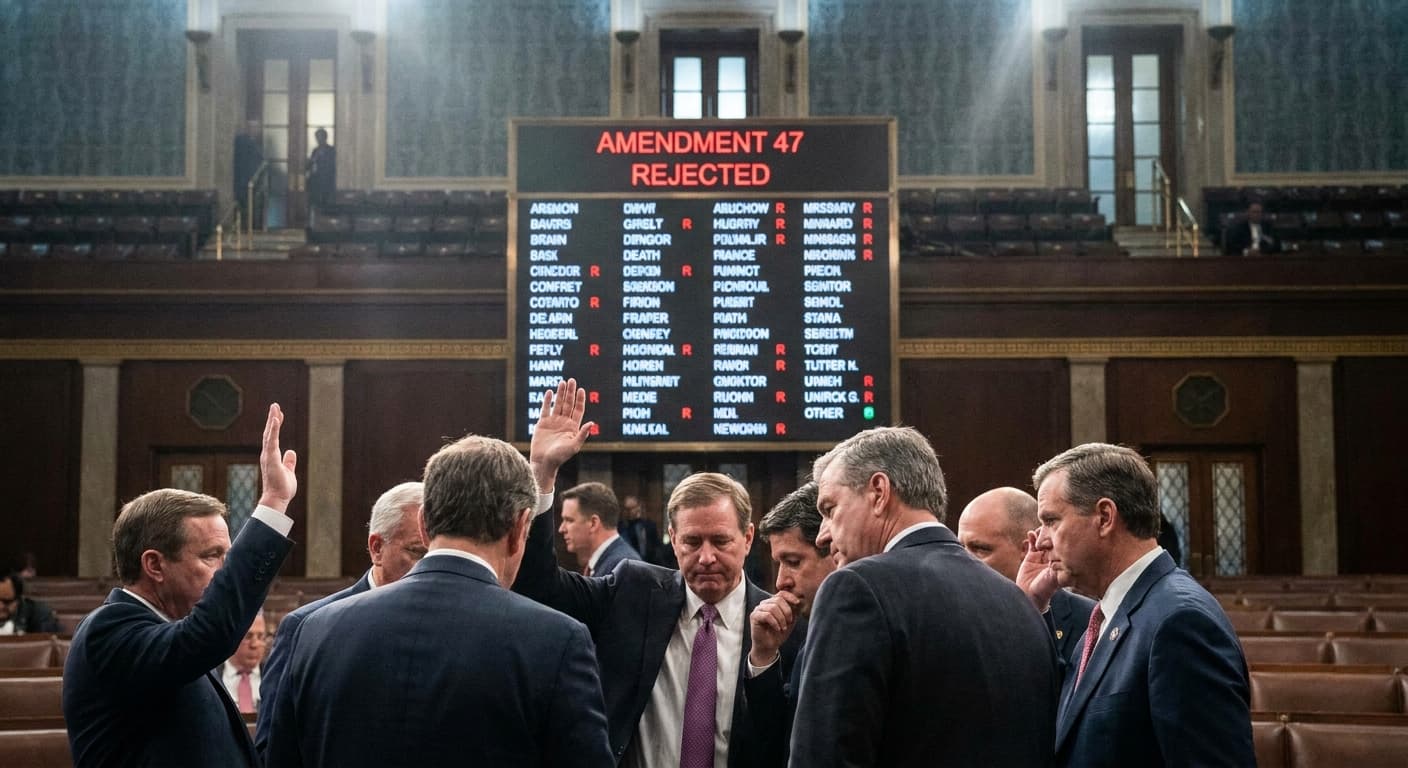
The U.S. Senate is poised to vote on a resolution that would restrict President Trump’s ability to order new military strikes against Iran, marking a critical moment for congressional oversight of war powers amid ongoing tensions.
Stakes of the Senate Showdown
On April 15, 2026, the Senate scheduled a crucial vote on a resolution aimed at curbing President Trump’s authority to unilaterally launch further military strikes against Iran. This move comes after months of escalating conflict marked by a fragile ceasefire and a recent naval blockade initiated by the Trump administration. The resolution seeks to reassert congressional power under the War Powers Act, challenging the president’s handling of a conflict many in Washington fear is spinning out of control.
This vote is less about immediate military action and more about the constitutional balance of power. By pushing back against Trump’s aggressive Iran policy, Senators are signaling their unease over the administration’s trend of accruing war-making authority without explicit legislative consent.
Historical Context and Why It Matters
Congressional attempts to rein in presidential war powers are not new. The War Powers Resolution of 1973 was enacted following the Vietnam War to prevent presidents from engaging in extended conflicts without congressional approval. However, administrations from Nixon to Biden have often found ways to bypass or reinterpret the act.
Trump’s confrontational approach toward Iran — including the 2025 strike that killed a top Iranian general and the subsequent naval blockade of the Strait of Hormuz — has strained this dynamic even further. The naval blockade, in particular, marked a sharp escalation, raising global concerns about freedom of navigation and the risk of a wider Middle East war. This resolution vote tests whether the Senate, which has a mixed record on Trump, will coalesce around limiting unchecked executive military action or continue enabling a high-stakes brinkmanship strategy.
The outcome has broad implications not only for U.S. domestic politics but also for regional stability. A Senate restraining Trump could pave the way for diplomatic efforts to solidify the fragile ceasefire with Iran. Conversely, a failure to constrain the president may embolden further unilateral strikes, risking escalation and undercutting global diplomatic norms.
What to Watch Next
The Senate vote will reveal fractures within and between parties. Some Republicans support a tough stance on Iran consistent with Trump’s approach, while others warn of the dangers of deepening conflict without congressional scrutiny. Democrats have largely rallied around the resolution but face challenges in framing it as both a national security and constitutional issue.
Observers should monitor the vote tallies closely, as defections could signal shifting allegiances ahead of the 2026 midterms. Additionally, how Trump responds—whether by a veto threat or increased military deployments—will shape U.S.–Iran relations and congressional-executive dynamics in the months to come.
For deeper understanding, see our United States profile and
Global Politics overview.
War Powers Vote Will Test Senate's Support for Trump's Iran Strategy — Washington Post, April 15, 2026
Discover more
US Politics
House Rejects Resolution on Trump's Iran Host
The House voted down a resolution to limit Trump's military actions in Iran, laying bare partisan divides and reigniting debate over presidential war powers.

US Politics
House Vote on Trump Iran Strikes Reveals Divs
The House narrowly declined to block Trump from striking Iran, a close vote that laid bare deep partisan divides over war powers and U.S. military action.

US Politics
GOP House Blocks Limits on Trump's Iran War
House Republicans narrowly defeated a resolution to limit Trump's war powers over Iran, intensifying the fight in Congress over presidential military authority.

Conflict & Security
Drone Warfare Killing Aid Workers at Unprec
Over 1,000 humanitarian workers killed in three years as cheap armed drones collapse legal protections. Gaza, Sudan, Ukraine, and DRC see deliberate targeting of aid convoys and hospitals with zero prosecutions.