Senate Vote Continues U.S. Iran Hostilities
Senate's decision complicates U.S.-Iran diplomatic efforts
Model Diplomat3 min readUnited States
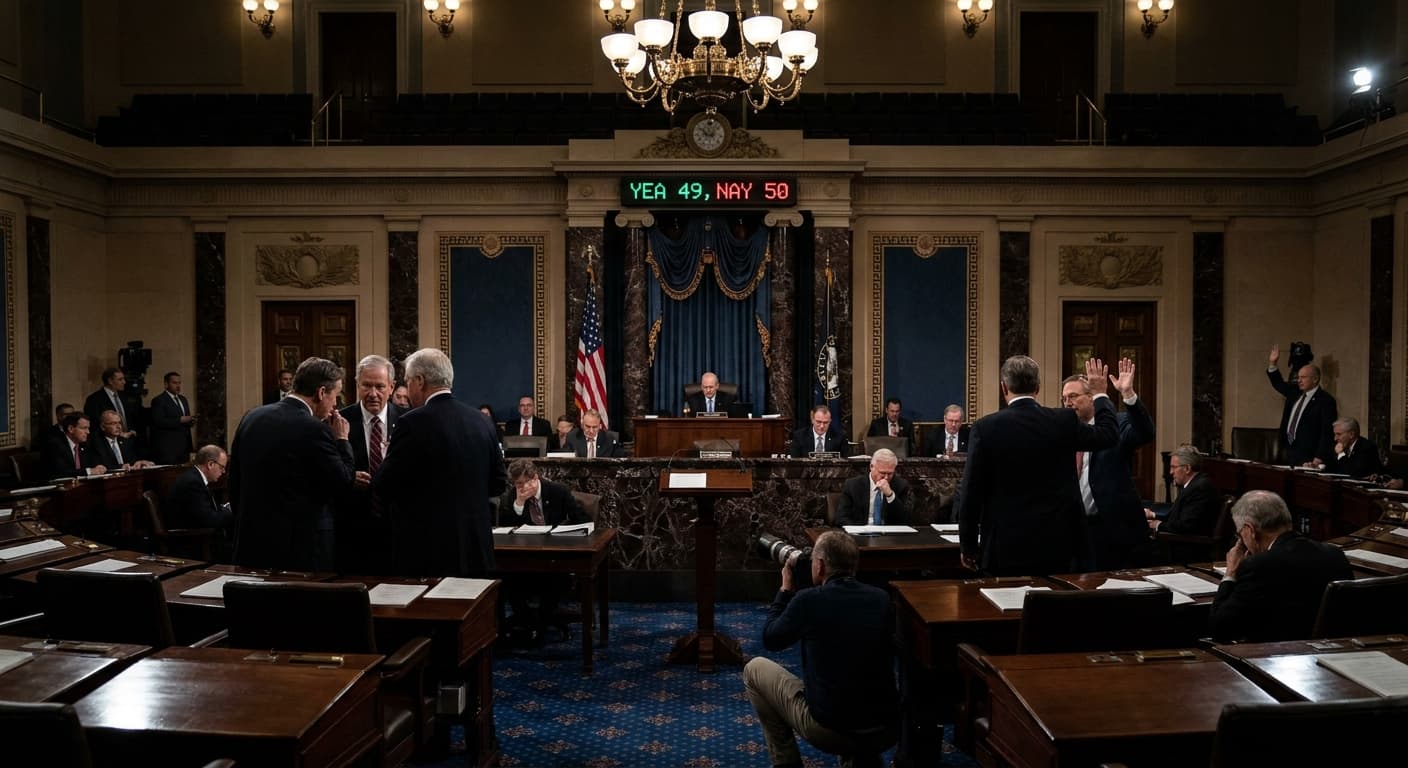
Senate Rejects Ending U.S. Involvement in Iran Hostilities: What It Means
The U.S. Senate’s refusal to end involvement in Iran-related hostilities highlights persistent congressional divisions over Iran policy and complicates diplomatic efforts.
On April 15, 2026, the U.S. Senate voted down a resolution aimed at terminating American participation in hostilities related to Iran. This decision marks a continuation of the fraught debate in Congress over the proper role and scope of U.S. military and strategic engagement in the Middle East, particularly concerning Iran. The vote reflects entrenched divisions that could shape Washington’s approach toward Tehran and the broader region for the foreseeable future AP News.
Why the Vote Matters
At heart, this Senate action exposes a sharp split between lawmakers who prioritize diplomatic engagement with Iran and those who favor maintaining a hardline stance, including military options. The resolution to end hostilities signaled by some members sought to pull back from potential escalation risks while urging renewed diplomatic talks. Its rejection means that active U.S. involvement—whether through direct military means or support for regional partners—will continue, at least for now.
This decision also signals a vote of confidence for the current executive branch's strategy, which relies on calibrated pressure combined with guarded diplomatic openings. Despite ongoing efforts to revive the Iran nuclear deal framework, any movement forward is likely to be constrained by Congress’s reluctance to curtail operational leeway in the region.
Historically, U.S. congressional decisions have had a critical influence on Iran policy. After the 2015 Joint Comprehensive Plan of Action (JCPOA) was brokered, Congress remained deeply divided, with many lawmakers opposing the deal on grounds it didn’t go far enough in restricting Iran’s nuclear ambitions or regional behavior. This vote echoes that pattern, showing how Congress continues to wrestle with balancing diplomatic incentives against security concerns.
The Broader Context: U.S.-Iran Relations and Regional Stability
The broader conflict centers on Iran’s nuclear program, its influence across Iraq, Syria, Lebanon, and Yemen, and its rivalry with U.S. allies like Israel and Saudi Arabia. Because Iran’s activities in the region often prompt proxy conflicts and asymmetric confrontations, U.S. policymakers worry about unchecked escalation spiraling into direct conflict.
Keeping unresolved the question of U.S. withdrawal also plays into calculations about regional balance of power. U.S. military presence reassures some Gulf allies who feel threatened by Iran, even as it complicates Washington’s diplomatic flexibility with Tehran.
The Senate’s decision also underscores the difficulty the administration faces in managing domestic political constraints while pursuing foreign policy that often requires nuanced trade-offs. From the perspective of Congress, many members remain wary of ceding too much authority to the executive on war powers without checks.
What to Watch Next
- Diplomatic Talks: The vote sets the stage for continued cautious diplomacy. Watch for how the Biden administration—and potential successors—navigate parliamentary skepticism while engaging Iran on nuclear issues.
- Congressional Momentum: Look for attempts to revive similar resolutions or new legislative measures limiting war powers in the coming months. This could complicate U.S. policy continuity.
- Regional Dynamics: Escalation or de-escalation in Iran’s proxy conflicts will influence whether U.S. involvement grows or pressures build for disengagement.
- Executive Actions: The administration may turn to executive orders or covert actions to manage Iran policy free from Congressional interference.
In sum, the Senate’s rejection is more than procedural; it reveals the limits of political consensus on Iran and suggests U.S. policy will remain tightly wound between deterrence and diplomacy for now. Understanding this vote is key to grasping why American efforts to resolve tensions with Iran remain slow and unpredictable—and why the risks of broader conflict persist.
For more on this topic and U.S. politics, see United States and
Global Politics.
Sources:
Discover more
Global Politics
House Rejects Iran War Powers Resolution
The House narrowly rejected a resolution to limit Trump's war powers in Iran, deepening political divides over the scope of U.S. military involvement abroad.
US Politics
House Rejects Resolution on Trump's Iran Host
The House voted down a resolution to limit Trump's military actions in Iran, laying bare partisan divides and reigniting debate over presidential war powers.

US Politics
House Vote on Trump Iran Strikes Reveals Divs
The House narrowly declined to block Trump from striking Iran, a close vote that laid bare deep partisan divides over war powers and U.S. military action.

Conflict & Security
Drone Warfare Killing Aid Workers at Unprec
Over 1,000 humanitarian workers killed in three years as cheap armed drones collapse legal protections. Gaza, Sudan, Ukraine, and DRC see deliberate targeting of aid convoys and hospitals with zero prosecutions.