Senate Approves $70B ICE Funding Package
Senate's budget plan resolves DHS funding deadlock with ICE support.
Model Diplomat3 min readUnited States
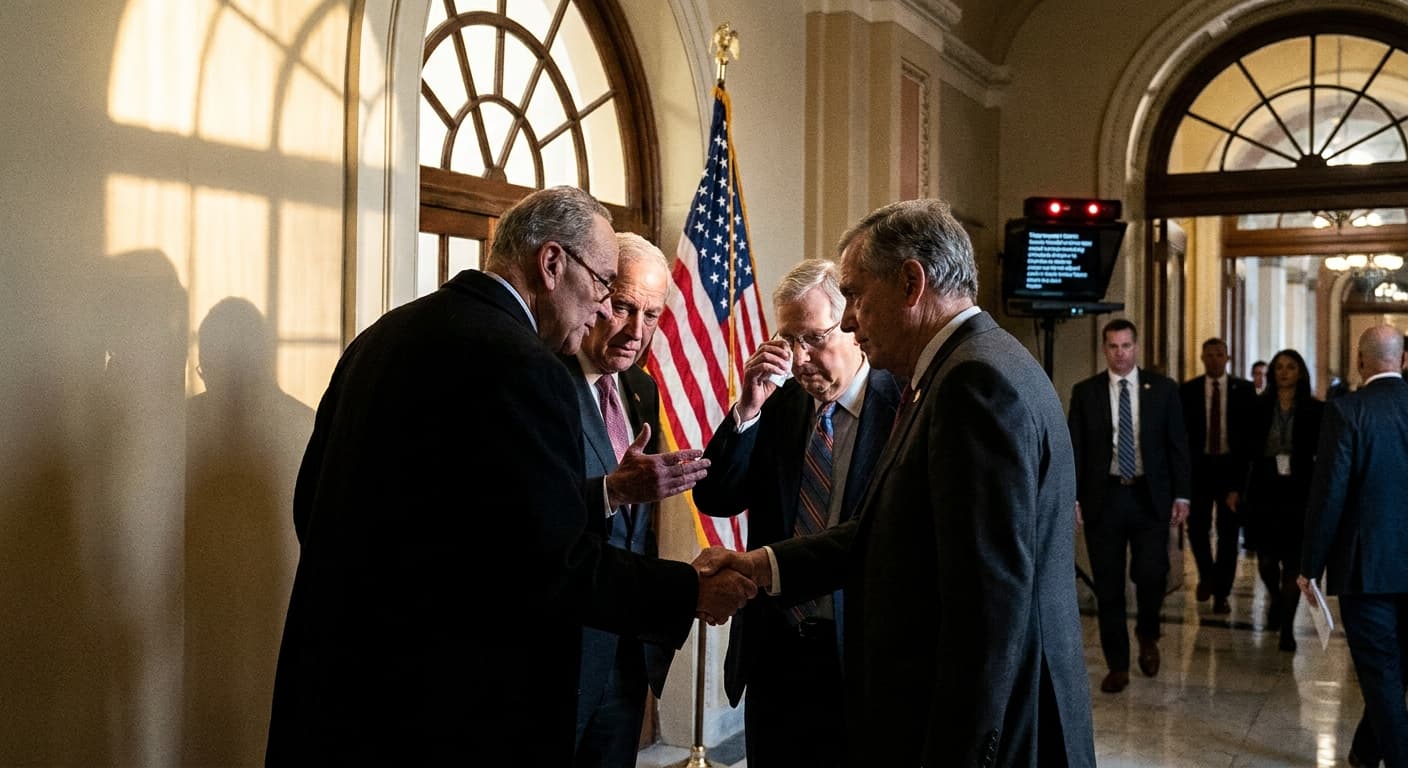
Senate's $70B ICE Gambit Breaks a Months-Long DHS Deadlock
The Senate has passed a budget plan funding ICE and Border Patrol through reconciliation — sidestepping Democrats and ending weeks of partial DHS shutdown.
The Senate passed a $70 billion, three-year funding package for Immigration and Customs Enforcement and Customs and Border Protection, moving through the night to resolve what had become one of the most operationally damaging spending standoffs of the Trump era. The plan uses budget reconciliation — a simple-majority maneuver — to bypass Democratic opposition, after weeks of failed bipartisan negotiations left both agencies in a funding limbo that disrupted enforcement operations across the country.
How the Deadlock Got Here
The DHS shutdown has played out in stages since early March 2026. In a rare unanimous overnight session, the Senate first funded most of the department — TSA, Coast Guard, FEMA — while deliberately carving out ICE and CBP. The logic at the time was pragmatic: TSA pay delays were causing measurable flight disruptions, and a partial reopening bought political breathing room. But it also hardened the fault line. Democrats demanded judicial warrant requirements and oversight guardrails for enforcement actions as the price of ICE funding. Republicans refused.
The House Freedom Caucus further complicated the picture, blocking a broader package even after Republican leaders announced a two-track deal in early April. Speaker Mike Johnson had conditioned any DHS vote on adequate ICE and Border Patrol funding — a posture that made him dependent on hardliners with a history of killing leadership-backed bills.
Why Reconciliation Changes the Math
Using reconciliation to fund ICE is not a neutral procedural choice — it's a strategic escalation. By routing $70 billion through a process that requires only 51 Senate votes, Republicans are locking in immigration enforcement funding on a timeline that extends through the current presidential term, insulating it from future Democratic filibusters. The tradeoff: reconciliation bills face strict limits under the Byrd Rule on what provisions can be included, meaning any policy riders — enforcement mandates, operational directives — are legally exposed. Expect Democratic challenges on those grounds.
For US Politics broadly, this marks a shift in how immigration funding gets treated legislatively. Border security spending is moving from discretionary appropriations — subject to annual negotiation — toward mandatory, multi-year allocations shielded from the normal appropriations process.
What to Watch Next
The House remains the decisive variable. The Freedom Caucus has already shown it will kill leadership deals it considers insufficiently hardline. If hardliners view the Senate's reconciliation package as too narrow or insufficiently punitive on sanctuary cities, another delay is plausible even with White House pressure behind the bill.
Democratic legal challenges are likely the second front. If the bill passes, the Byrd Rule scrutiny begins immediately — any provision that doesn't meet the "primarily budgetary" test gets stripped by the Senate parliamentarian, and Democrats will aggressively challenge anything that looks like policy tucked into spending.
Watch the House floor schedule for the week of April 27. That's the first realistic window for a vote. If Johnson can't hold his caucus then, the DHS situation drags into May — and operational pressure on ICE and Border Patrol, already working under continuing uncertainty, becomes a harder story to manage for an administration that has staked significant political capital on border enforcement as a signature success. See related coverage at Diplomat Briefing: International.
Discover more
US Politics
SNAP Food Assistance Faces Legal Challenges
In 2026, SNAP faces stricter eligibility rules and mounting legal challenges, threatening food assistance for the millions of Americans who rely on the program.
US Politics
House Ethics Committee Pushes Sexual Miscond.
The House Ethics Committee has shifted responsibility for sexual harassment settlement records to the Office of Congressional Workplace Rights, complicating disclosure efforts.

Conflict & Security
Drone Warfare Killing Aid Workers at Unprec
Over 1,000 humanitarian workers killed in three years as cheap armed drones collapse legal protections. Gaza, Sudan, Ukraine, and DRC see deliberate targeting of aid convoys and hospitals with zero prosecutions.

Global
World Normalises Taliban as Afghan Women Eras
UN data shows Afghan women erased from public life as Russia recognises the Taliban, EU hosts officials in Brussels, and ICC warrants for gender persecution go unenforced.