Saar Cuts EU Ties Over Kallas' Remarks
Israel's foreign minister severs ties after apartheid comments.
Model Diplomat3 min readEurope
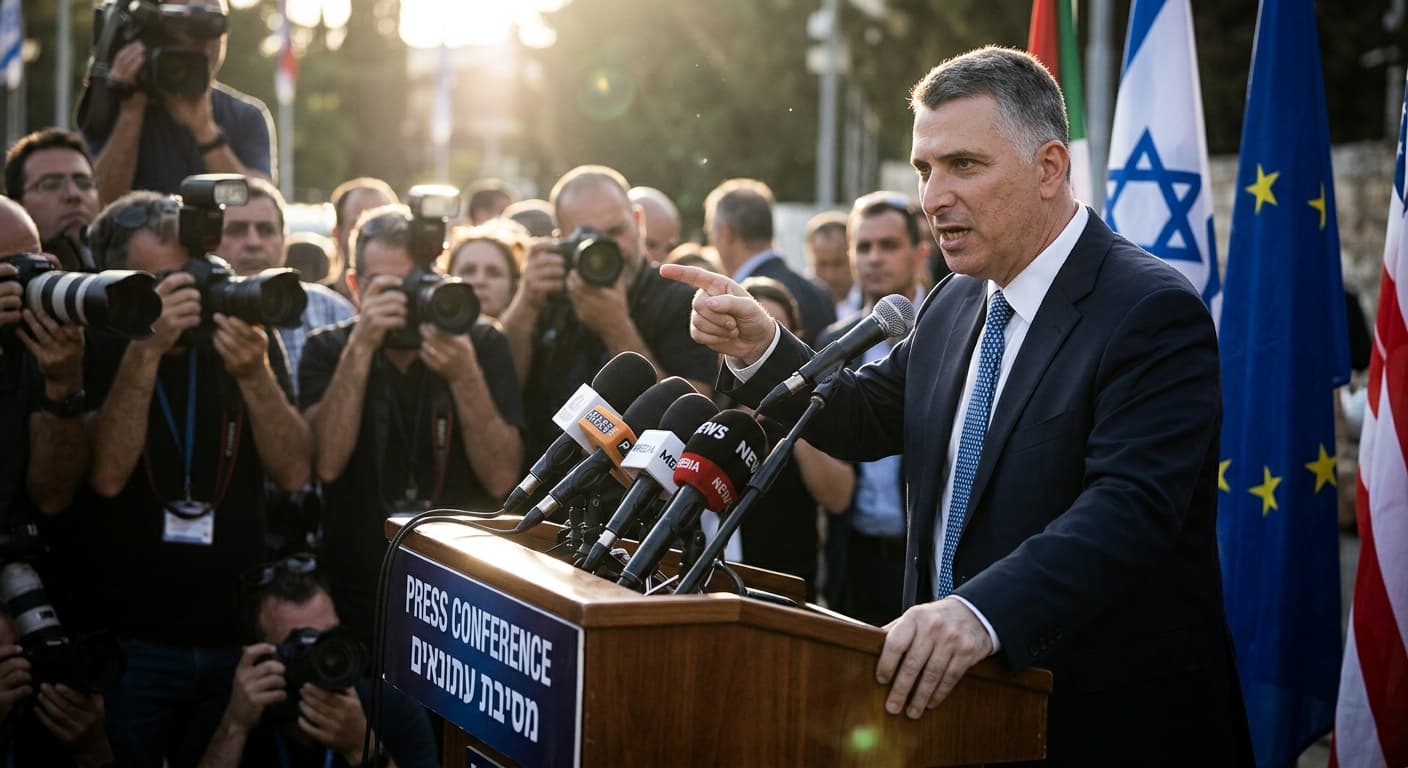
Saar Severs EU Ties Over Kallas' 'Apartheid' Remark
Israel's foreign minister cuts contact with top EU diplomat after leaked comments comparing Israeli policy to South Africa's racial segregation system.
The row is manufactured for tactical advantage, but it exposes real fractures in the EU's Israel policy.
Israeli Foreign Minister Gideon Saar announced Thursday he was severing all contact with EU foreign policy chief Kaja Kallas after reports that she privately likened Israel's treatment of Palestinians in Gaza and the West Bank to South Africa's former apartheid regime. The remarks, reported by European outlet Euractiv, were allegedly made during closed-door talks with Mexican officials in May. Kallas did not deny the comments but has refused to recant them, calling instead for continued dialogue.
The escalation is sharp: Saar labeled the comparison a "blood libel" and demanded a retraction before resuming contact. Kallas, in a deft non-response, stressed EU commitment to a two-state solution and reiterated Brussels' opposition to illegal Israeli settlements—statements that pointedly sidestepped the apartheid allegation itself. German Chancellor Friedrich Merz immediately distanced Berlin from Kallas' language, reinforcing that Germany remains a stalwart Israeli ally. Within hours, a German parliamentarian called the remarks "anti-Semitic."
On its face, this looks like collapsing Israel-EU ties. The reality is messier and more strategic.
Kallas Is Facing Internal EU Pressure, Not Israeli Isolation
The leaked remarks themselves are not new ground—the UN's human rights office concluded in January 2026 that Israel is violating international law prohibiting apartheid, and
the International Court of Justice raised identical concerns in July 2024. International legal bodies use this language routinely. Kallas, however, articulated it privately, which left her exposed.
The leak itself suggests deliberate sabotage. Michael Berenskotter, a lecturer on international relations at King's College London, framed it bluntly to Al Jazeera: Kallas is caught in a power struggle with EU Commission President Ursula von der Leyen over control of foreign policy, and the apartheid comment may have been weaponized by Israel to undermine an institution that has moved toward tougher scrutiny of Israeli conduct. "One needs to ask: how were these remarks leaked?" Berenskotter told the outlet. The Israeli government, he adds, "is very good in spotting how to pick sides and intervene in political debates that have an impact on Israel."
The EU's own divisions made Kallas vulnerable. Just days prior, the bloc failed to reach consensus on sanctioning Israeli National Security Minister Itamar Ben-Gvir, with Germany and Austria holding firm. Kallas had also moved forward with sanctions on West Bank settlers in May—a move Israel condemned fiercely. Her position is weakened; her exposure, useful.
What Really Matters: Individual Capitals, Not Collective Fracture
The diplomatic theater obscures the actual power map. The EU is not cohesive on Israel policy—and Saar's cut-off with Kallas does not materially weaken Israel-EU ties because member states, not the High Representative, control bilateral relations. Germany remains unshakably aligned with Israel, blocking sanctions at every turn. The EU-Israel Association Agreement makes Brussels the bloc's largest trading partner for Israel—a lever no single diplomat's misstep can sever.
Saar's move serves domestic political purposes: it signals toughness to his coalition partners while isolating one of the few EU officials pushing harder scrutiny on settlement expansion. But it does not cut off substantive EU-Israel engagement.
Watch for the Next Consensus Test
The real indicator will be whether the EU moves on settlement trade restrictions. Kallas said member states have requested the Commission explore options for limiting imports from illegal settlements. Germany's veto power will determine whether anything passes. If Berlin blocks again—likely—the diplomatic row fades to symbol. If pressure mounts and consensus shifts, Kallas' forced retreat becomes a strategic victory for those wanting stronger EU leverage on Israeli conduct. That decision point arrives within weeks.
Discover more
India
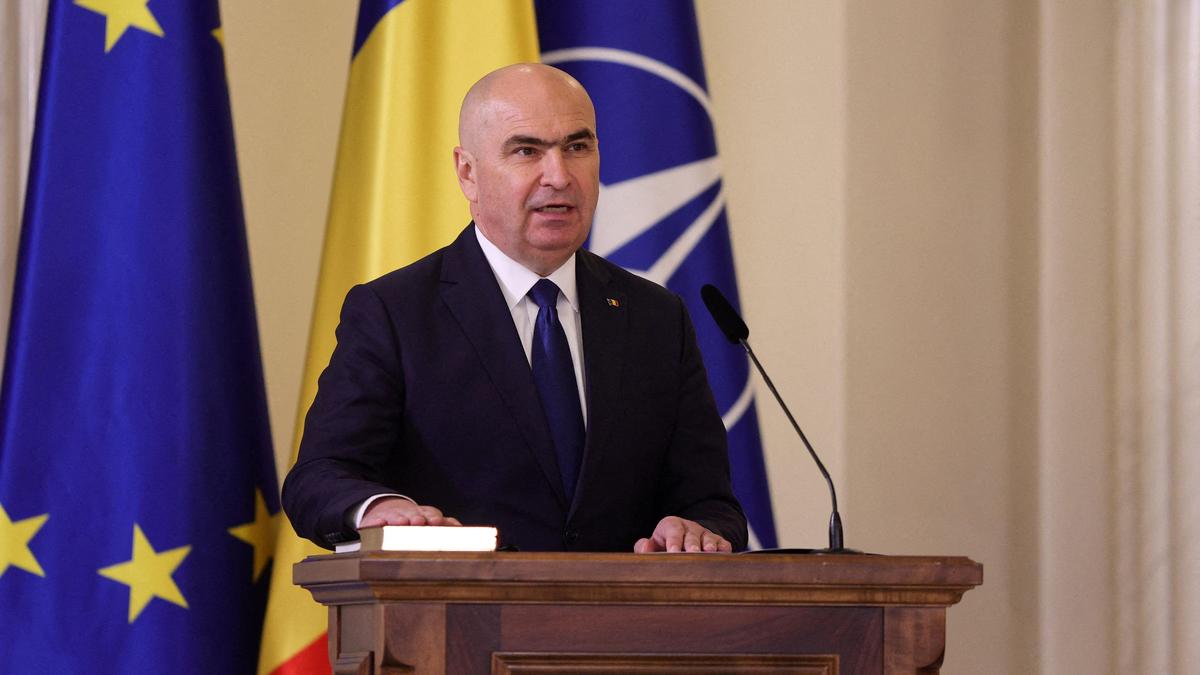
Romanian Coalition Party Demands PM Resign
Romania's Social Democrats withdrew from coalition, joining far-right AUR to topple PM Bolojan, risking €10 billion in EU funds by August 2026.
India
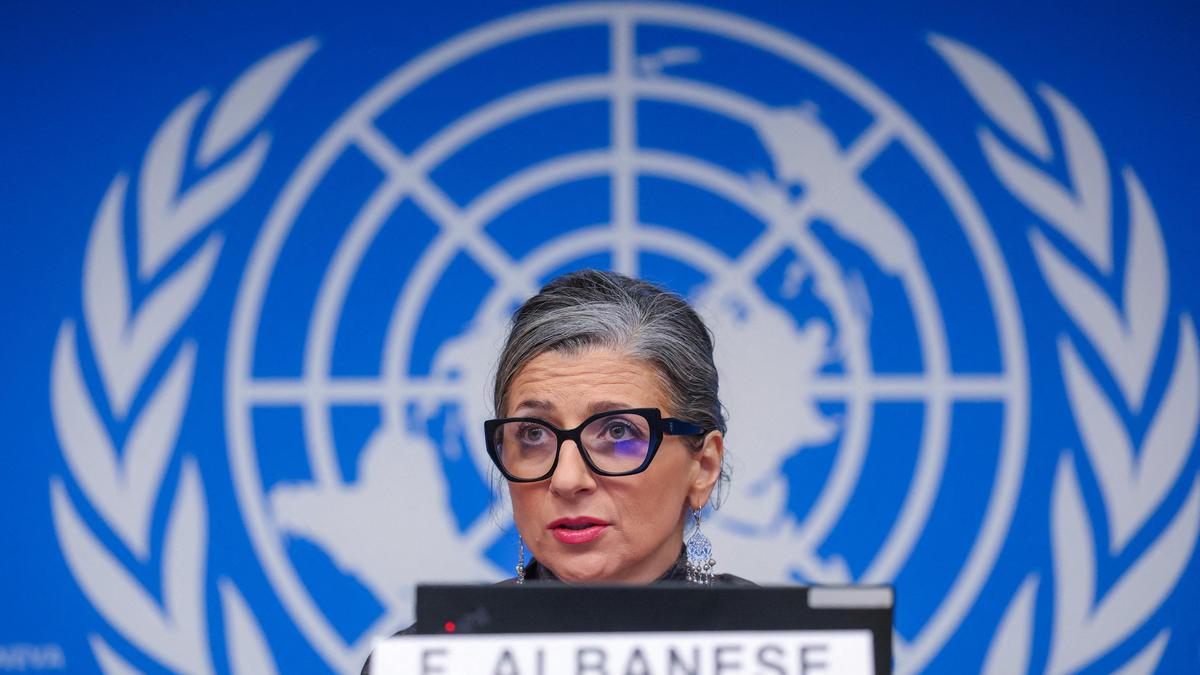
UN Expert Albanese: India Violates Law
UN Rapporteur Francesca Albanese accuses India of breaching international law, spotlighting human rights concerns in Kashmir and prompting diplomatic pushback.

Global Politics
US Seizes Iranian Ship, Tensions Surge
The US seizure of the Iranian ship Touska highlights a shift in control over the Strait of Hormuz, favoring Iran's strategic position.

Conflict & Security
Drone Warfare Killing Aid Workers at Unprec
Over 1,000 humanitarian workers killed in three years as cheap armed drones collapse legal protections. Gaza, Sudan, Ukraine, and DRC see deliberate targeting of aid convoys and hospitals with zero prosecutions.