Russia’s Kyiv Warning Raises the Stakes
Moscow's threats signal deeper coercion in Ukraine.
Model Diplomat3 min readEurope
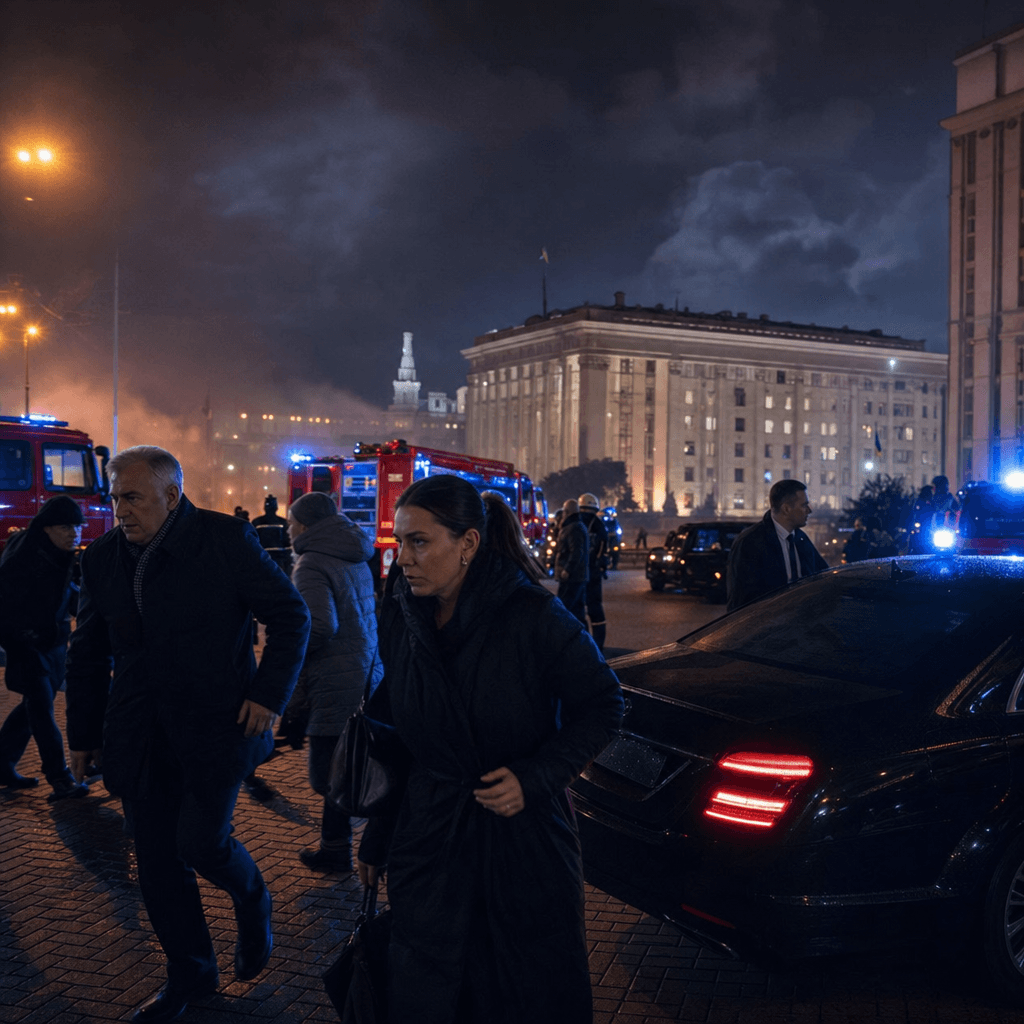
Russia’s Kyiv Warning Raises the Stakes on Diplomats
Russia’s call for foreigners to leave Kyiv signals wider strikes, deeper coercion, and a bid to unsettle Ukraine’s backers.
Russia is not just threatening more strikes on Kyiv; it is trying to reshape the rules of risk around the capital. On Monday, Moscow said it would launch “systematic strikes” on Ukrainian “decision-making centres” and drone facilities in Kyiv and urged foreign citizens, including diplomats and international organization staff, to leave “as soon as possible,” according to Al Jazeera and
France 24. Russian Foreign Minister Sergey Lavrov also reportedly told US Secretary of State Marco Rubio to evacuate embassy staff, which turns a battlefield warning into a direct diplomatic signal.
What Moscow is really doing
The immediate trigger is Russia’s claim that Ukraine killed at least 18 people in a drone strike on a student dormitory in Starobilsk, in Russian-occupied Luhansk. Ukraine denies targeting civilians and says it hit a drone command unit, but Moscow is using the episode to justify a broader escalation, Al Jazeera reported. That matters because Russia is no longer speaking only to Ukrainian forces; it is speaking over their heads to foreign embassies, international organizations, and the governments that support Kyiv.
This is the coercive logic: if Russia can make Kyiv look unsafe for diplomats and aid workers, it gains more than tactical breathing room. It hopes to raise the political cost of staying, complicate coordination inside Ukraine, and project the image that Moscow still controls escalation. BBC reported that the warning came after one of Russia’s largest attacks on Kyiv since the start of the war, including missiles, drones, and the hypersonic Oreshnik missile. That is a deliberate message: Moscow can still widen the pressure dial.
Who benefits, who loses
The Kremlin benefits if it can make foreign missions look overexposed and force Ukraine’s partners into defensive postures. Even if embassies do not leave — and Western missions have so far brushed off similar threats — the warning itself serves Moscow’s narrative that Kyiv is the unsafe actor and Russia is responding to “terrorism,” France 24 said. Ukraine loses if the threat drains attention from its own strike campaign against Russian military and energy targets, which has improved in recent months and clearly worries Moscow.
But the warning also exposes Russia’s limits. If the aim were only military, Moscow would not need to advertise targets and evacuations. It is signaling because it wants leverage — over the battlefield, over the diplomatic corps, and over the story of who is setting the tempo in the war. That is why Ukraine’s foreign minister urged allies not to give in to “Russian blackmail,” while European diplomats in Kyiv publicly said they were staying put, Al Jazeera reported.
What to watch next
The next decision point is whether Russia follows the warning with a sustained wave of strikes on Kyiv’s military-industrial sites, or whether the rhetoric is mainly psychological pressure. Watch for three things: the scale of the next barrage, whether any foreign missions adjust staffing, and whether Washington responds directly to Lavrov’s message. If Moscow does hit Kyiv again at the level it is now telegraphing, the escalation will be real; if not, the warning will still have served its purpose — reminding Ukraine and its partners that Russia is trying to dictate the terms of fear.
Discover more

Global Politics
US Seizes Iranian Ship, Tensions Surge
The US seizure of the Iranian ship Touska highlights a shift in control over the Strait of Hormuz, favoring Iran's strategic position.

Conflict & Security
Drone Warfare Killing Aid Workers at Unprec
Over 1,000 humanitarian workers killed in three years as cheap armed drones collapse legal protections. Gaza, Sudan, Ukraine, and DRC see deliberate targeting of aid convoys and hospitals with zero prosecutions.
Global
World Normalises Taliban as Afghan Women Eras
UN data shows Afghan women erased from public life as Russia recognises the Taliban, EU hosts officials in Brussels, and ICC warrants for gender persecution go unenforced.
Conflict & Security
West Africa Food Crisis: Three Shocks in 2026
Conflict, climate extremes, and the Strait of Hormuz closure drive a severe food crisis in West and Central Africa, with fertilizer prices surging 80% and millions displaced.