Rajiv Gandhi Tribute Lets Congress Reclaim Its Future
At Veer Bhumi, Congress turned Rajiv Gandhi’s death anniversary into a message of family unity and a claim on India’s modernising legacy.
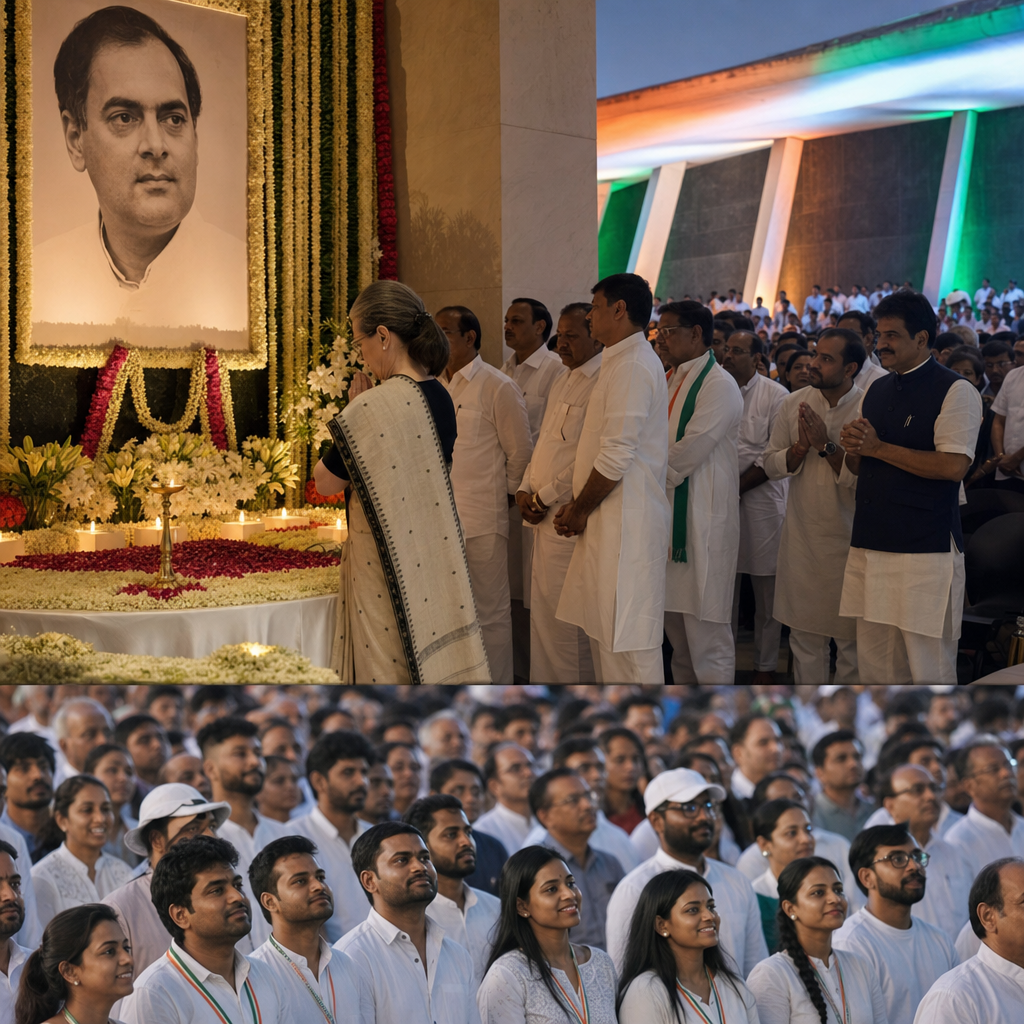
Congress leaders used Rajiv Gandhi’s 35th death anniversary on Thursday to do more than lay flowers: they projected continuity, discipline and a still-relevant political story. Sonia Gandhi, Rahul Gandhi and Mallikarjun Kharge paid tribute at Veer Bhumi in New Delhi, alongside Priyanka Gandhi Vadra, K.C. Venugopal and other senior figures, the  Indian Express reported. The message was clear: the Gandhi family remains the emotional core of the party, and Rajiv’s memory is still one of Congress’s few unifying assets.
The tribute was a display of internal cohesion
The optics mattered as much as the ritual. The presence of Sonia, Rahul and Priyanka together at Veer Bhumi, plus veterans such as Bhupinder Singh Hooda and Ashok Gehlot, signaled that Congress is still using Rajiv Gandhi as a common reference point for leaders who otherwise compete for space and influence, the Indian Express and  Lokmattimes reported. That matters because Congress is in a prolonged struggle to look like a governing alternative, not just a dynasty preserving its own memory.
Rajiv’s assassination in 1991 gave the family a martyrdom narrative that the party still leans on. But the modern use of that memory is strategic: it lets Congress bind loyalty to a single figure while avoiding a more contested debate over the party’s recent electoral record. For a party trying to rebuild in  India, anniversaries like this are not just ceremonial. They are identity management.
Congress is selling Rajiv as a reformer, not a relic
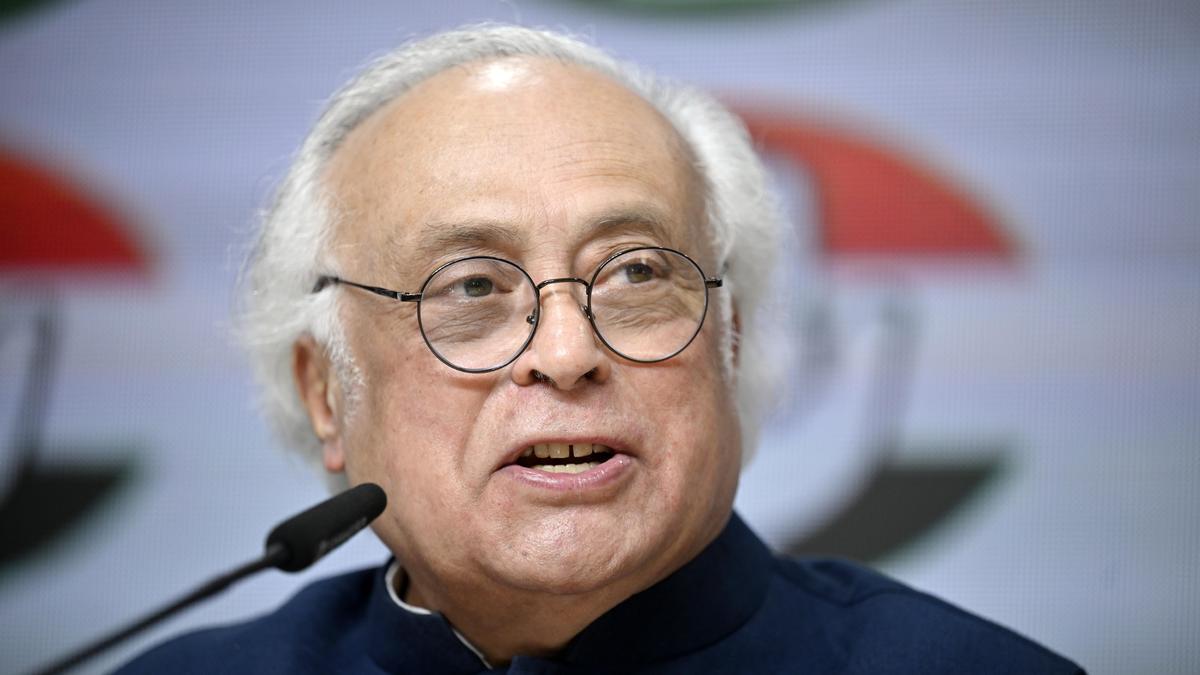
Kharge’s tribute framed Rajiv as the architect of a forward-looking India. In posts cited by  Outlook India, he highlighted lowering the voting age to 18, strengthening Panchayati Raj, pushing telecom and IT, expanding computerisation, and launching immunisation and education reforms. That is the real political utility of Rajiv’s legacy: he can be sold as a technocratic moderniser, not merely as a Gandhi family heir.
That framing is useful because it gives Congress a development vocabulary that is harder for rivals to dismiss. Rajiv can be invoked as the leader who linked youth, technology and decentralisation — themes that still resonate with younger voters and urban middle classes. In that sense, his memory helps Congress compete on competence, not only sentiment. The party is trying to show that its historical claim to modernization is not frozen in the 1980s.
What to watch next
The key test is whether this tribute stays a one-day ritual or becomes a sustained message line. If Congress keeps pairing Rajiv’s name with youth, technology, local self-government and institutional reform in speeches and social media, it will be trying to convert memory into political brand. If not, the Veer Bhumi display will remain what it often is: a unity photograph that flatters the party more than it moves the electorate.
Watch the next few weeks for whether Rahul Gandhi and Kharge repeat Rajiv’s reform themes in Parliament or public outreach. That will show whether Congress is building a narrative for Global Politics audiences at home: not nostalgia, but a claim that its past still points to the future.