Opposition's Strategy After Women's Quota Def
INDIA bloc recalibrates tactics post-BJP's legislative setback
Model Diplomat3 min readIndia
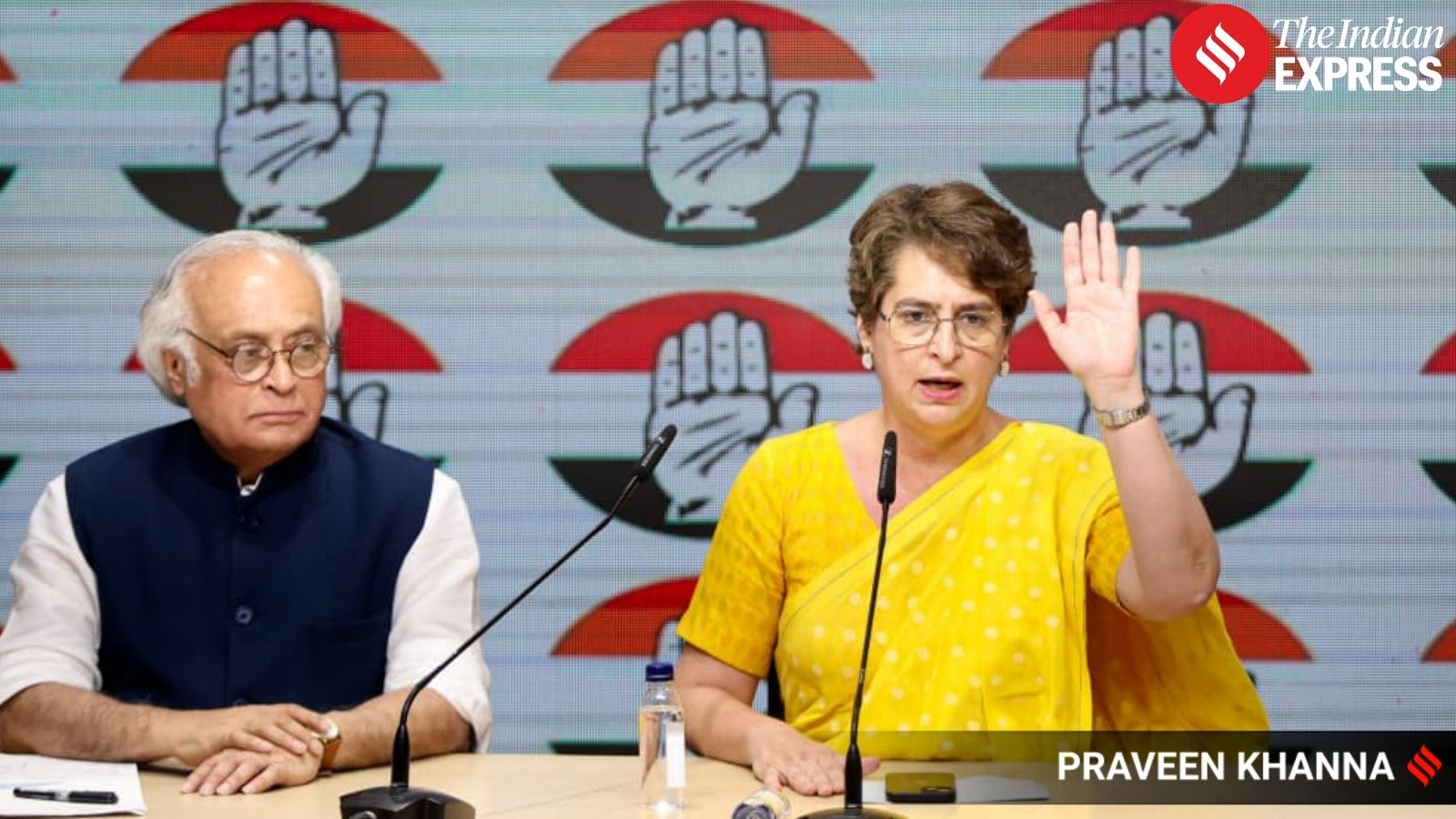
Oppn Turns Tables on BJP After Women's Quota Bill Defeat: What's Next?
The opposition INDIA bloc is aggressively recalibrating strategies after thwarting the BJP’s 131st Constitution Amendment Bill on women's reservation, aiming to reclaim the narrative on women's empowerment and electoral fairness.
The recent defeat of the BJP-led government’s 131st Constitution Amendment Bill in the Lok Sabha has shaken up India’s political landscape and handed the opposition a rare upper hand. The bill, which sought to amend the Constitution to enable reservations for women in legislatures starting 2029, fell short of the required two-thirds majority, garnering 298 votes in favor against 230 opposing votes. With 528 members voting, the failure speaks volumes about the fractured consensus on this politically sensitive issue. The Hindu
Why This Matters: Beyond the Votes
The bill was packaged with a broader delimitation exercise aimed at redrawing electoral constituencies to correct disparities in MP-to-voter ratios. The BJP positioned it as a dual reform in both electoral fairness and gender empowerment. However, opposition leaders vocally challenged this framing, arguing the women’s reservation clause was a facade to push unilateral delimitation changes that could shift regional balances of power disproportionately.
Rahul Gandhi, among others, warned that the amendment was not genuinely about increasing women’s political representation but a move to undercut particular regional interests. Opposing parties—ranging from Congress to TMC, NCP, Shiv Sena (UBT), and left groups like CPI(M)—have coalesced into the INDIA bloc, planning tailored strategies to exploit the BJP’s loss and highjack the women’s empowerment narrative for themselves. This is not just a parliamentary setback for BJP but a reputational challenge: until now, the party has projected itself as a champion of women’s causes.
The opposition’s strategy meeting post-vote underscores their intent to go beyond parliamentary tactics. By crafting individualized messaging and coordinated political campaigns, they aim to expose what they see as the BJP’s hypocrisy on gender issues while promoting their own vision of inclusive democracy. This opposition unity and strategy recalibration could reshape the discourse around gender and electoral reforms ahead of future elections. Indian Express
What to Watch Next
-
All-party talks and future proposals: With Parliament adjourning after the vote, there’s talk of renewed attempts to build consensus or even a revised bill. The BJP will have to navigate the tricky terrain of regional sensibilities and opposition demands if it hopes to relaunch this reform.
-
Opposition narrative rollout: The INDIA bloc’s coordination signals a sharper political offensive encompassing social media, regional outreach, and legislative debate. Watching how they leverage this issue will be crucial to understanding power dynamics in the run-up to the 2029 elections.
-
Impact on delimitation and regional politics: The delimitation element tied to the bill was contentious and could resurface as a standalone issue. How redrawing boundaries proceeds—and which parties gain or lose—will ripple across Indian regional politics and potentially reshape electoral alliances.
The failure of the women’s quota bill is not just a legislative defeat for the BJP; it’s a political inflection point. The opposition’s energized and unified response could reframe the national dialogue on women’s rights and electoral equity, forcing the ruling party to rethink its strategy on both fronts.
Explore more on India’s evolving political dynamics and gender reforms on India Politics and
Global Politics.
Discover more

India
INDIA Bloc's Delimitation Strategy
The INDIA bloc is using delimitation and women's reservation to challenge the BJP's federalism narrative, setting up a high-stakes fight over representation.
India
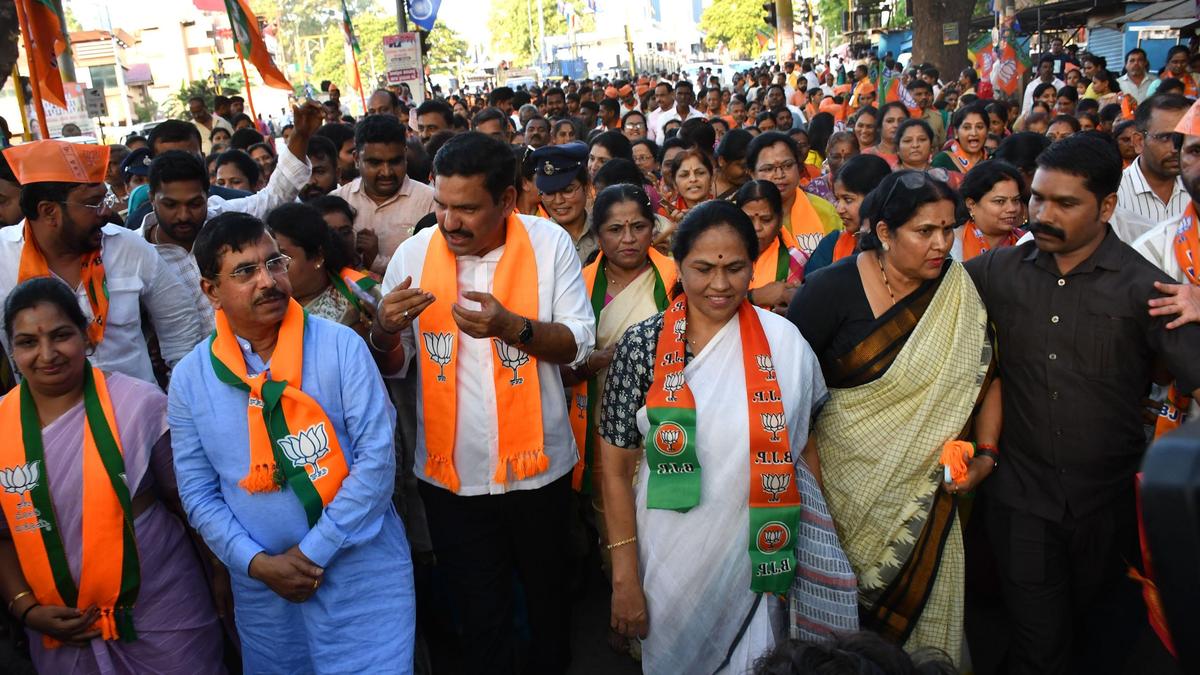
BJP Uses Hubballi Protests for Women's Quota
The BJP is using Hubballi protests to pin blame for delays on women's reservation onto Congress in Karnataka, sharpening its women's quota political offensive.
India
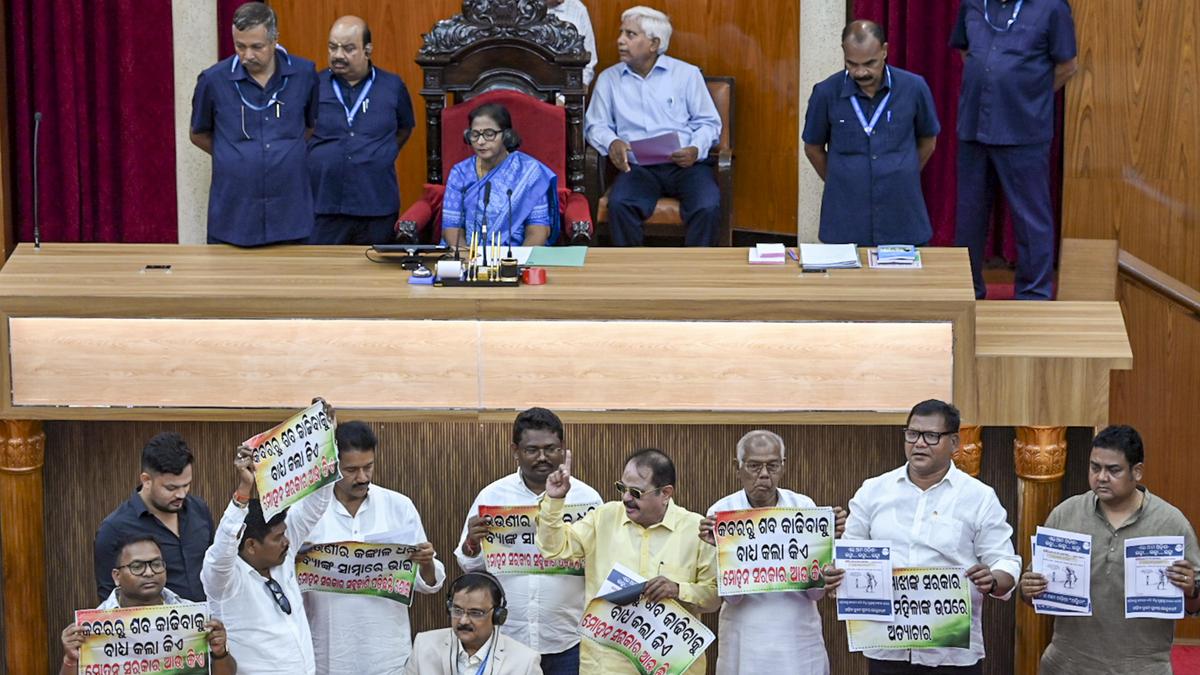
Odisha's Women's Reservation Debate
The fight over women's reservation in Odisha is shaping up as a calculated BJP and BJD strategy aimed squarely at gaining ground before the 2029 elections.
India
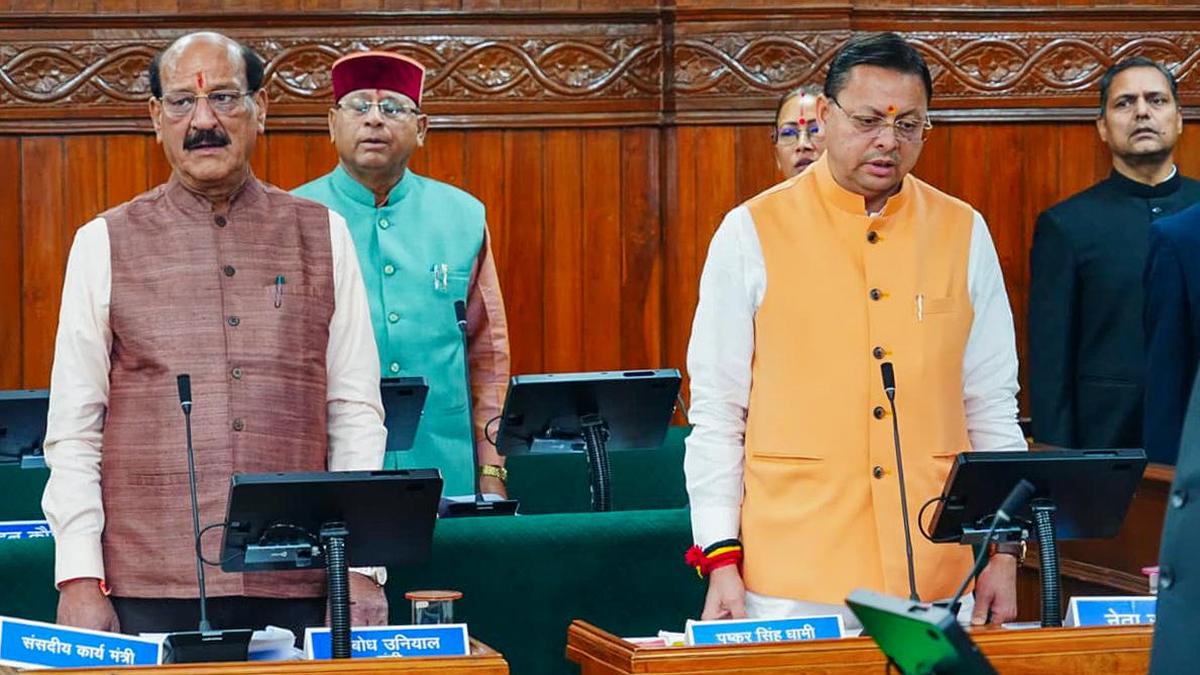
Uttarakhand's Push for Women's Reservation
Uttarakhand CM Dhami's push for women's reservation is a strategic political move that follows national defeat and aims to reclaim momentum for the BJP.