Akhilesh Yadav Slams BJP's Women Quota Bill
SP leader critiques BJP's approach to women's reservation bill
Model Diplomat3 min readUttar Pradesh
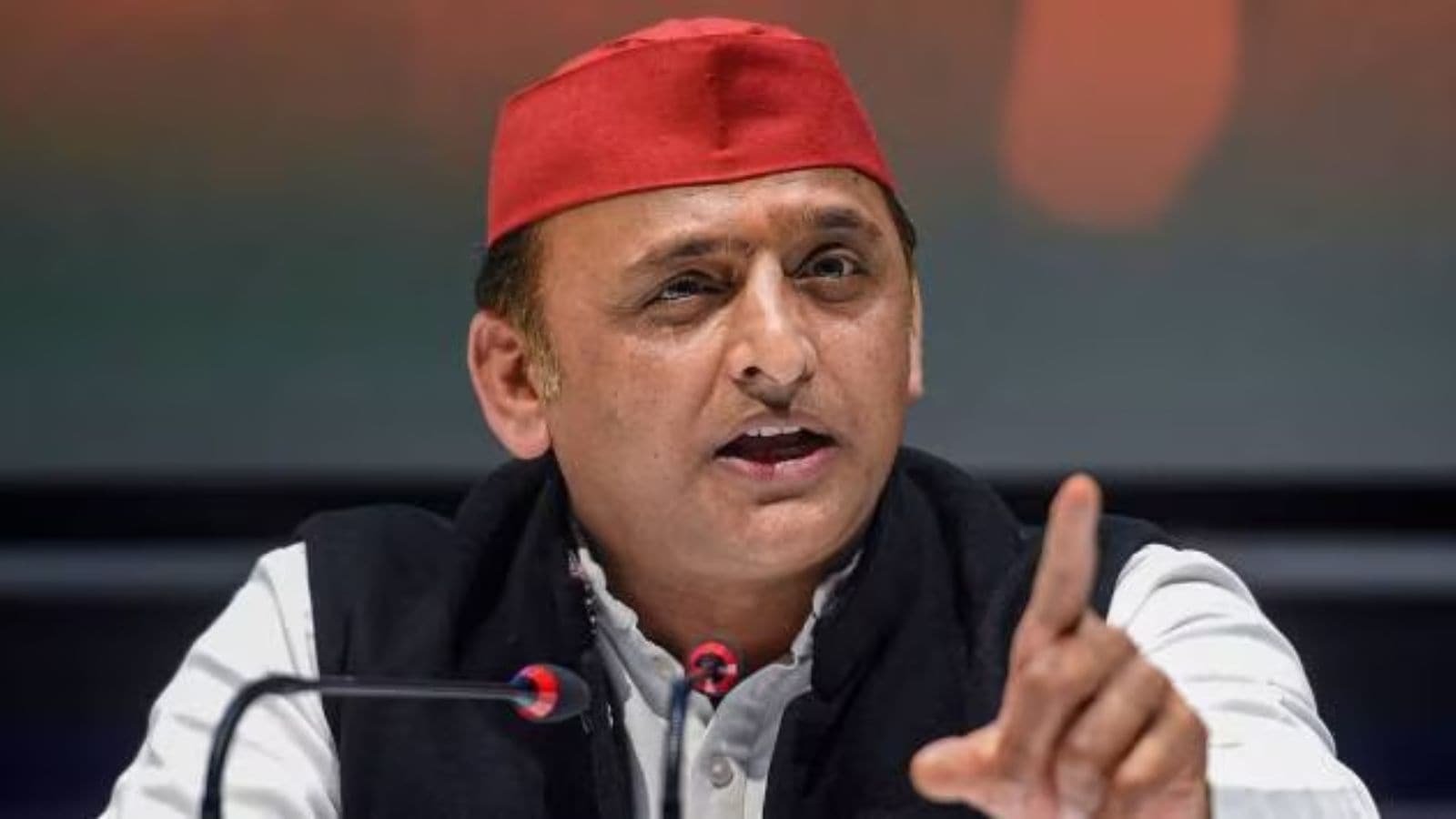
Akhilesh Yadav Critiques BJP's Women Quota Bill Over Hastened Delimitation
SP leader Akhilesh Yadav supports women's reservation but objects to rushed delimitation tied to the bill's defeat in Parliament.
The 131st Constitutional Amendment Bill, introduced by the BJP-led government, sought to reserve 33% of seats in Parliament and state legislatures for women and facilitate delimitation based on the forthcoming caste census. Its defeat in Parliament has triggered a political debate, with Samajwadi Party (SP) leader Akhilesh Yadav voicing nuanced opposition.
The Controversy Over Delimitation and Women’s Quota
Akhilesh Yadav clearly differentiated between the goals of women’s political empowerment and the method proposed for its implementation. While endorsing the reservation for women, he sharply criticized the hastiness with which the BJP government tied the women’s quota to a broader and more politically sensitive delimitation exercise. Delimitation — redrawing electoral boundaries — is a strategic and delicate political process that can reshape electoral demographics, often advantaging ruling parties. Yadav accused the government of pushing delimitation prematurely without adequate groundwork or consensus, raising fears of partisan manipulation rather than genuine reform.
This framing turns the women’s quota law into a proxy battle over electoral maps and the upcoming caste census, which has major implications for the balance of power in Uttar Pradesh (UP) and nationally. Delimitation here is not just bureaucratic technicality but a potentially game-changing political tool, especially in a state as vast and politically pivotal as UP.
Why This Matters for Indian Politics
Women’s reservation in legislatures is a long-standing demand in Indian politics, intended to boost gender representation significantly — a major gap given women hold roughly 14% of Parliament seats currently. The 33% quota is a transformational target, endorsed across parties but complicated by implementation challenges.
The BJP's move to link the quota with delimitation taps into deep political calculation. Delimitation in UP after decades could redraw the political landscape, affecting caste and community electoral weight and shifting party strongholds. The opposition’s resistance is less about women’s empowerment and more about what delimitation means for future electoral math.
By rejecting the bill as it stands, Akhilesh Yadav and the SP highlight a familiar regional skepticism to top-down central actions perceived as politically motivated. Their stance signals that future attempts to push through such reforms must separately address quota and delimitation with greater stakeholder buy-in and clarity, rather than bundling them together.
What to Watch Next
The government must now reconsider its approach or risk alienating key regional players ahead of the 2027 state and national elections. The defeat of the bill will at minimum delay the reservation scheme and the delimitation exercise, leaving the current electoral boundaries intact through the next electoral cycles.
Look for renewed political maneuvering in UP, where caste and constituency boundaries matter deeply for BJP, SP, and other parties like the Bahujan Samaj Party. The caste census data, expected soon, will become a focal point for recalibration of political strategies.
This episode underscores that policy reforms tied to electoral mechanics cannot succeed without broad consensus and careful sequencing. The 33% women’s reservation is unlikely to fade away as an issue, but it will be revisited separately from delimitation amidst an intensifying political chess game.
For more on Indian political dynamics, see India’s profile.
Discover more

India
Akhilesh Yadav's EVM Strategy for 2027
Akhilesh Yadav makes EVMs a rallying cry, aiming to reshape the narrative for Uttar Pradesh's 2027 election and sharpen the Samajwadi Party's fight with BJP.
India
Akhilesh Yadav's Visit to Mamata Banerjee
Akhilesh Yadav's meeting with Mamata Banerjee signals a pivotal moment for the INDIA bloc, as opposition leaders test unity against the BJP ahead of contests.

India
Akhilesh Yadav Questions Bengal Election Legi
Akhilesh Yadav urges Supreme Court scrutiny of Bengal's vote-counting process, challenging the election's legitimacy in a fresh clash with the BJP and TMC.
India
Akhilesh Yadav's Rigging Claims Against BJP
Akhilesh Yadav's 'vote dakaiti' charge accuses the BJP and Election Commission of rigging, escalating opposition attacks ahead of Uttar Pradesh's 2027 polls.