Opposition Blocks Women's Reservation Bill
Rahul Gandhi hails defeat as a defense of the Constitution
Model Diplomat3 min readIndia
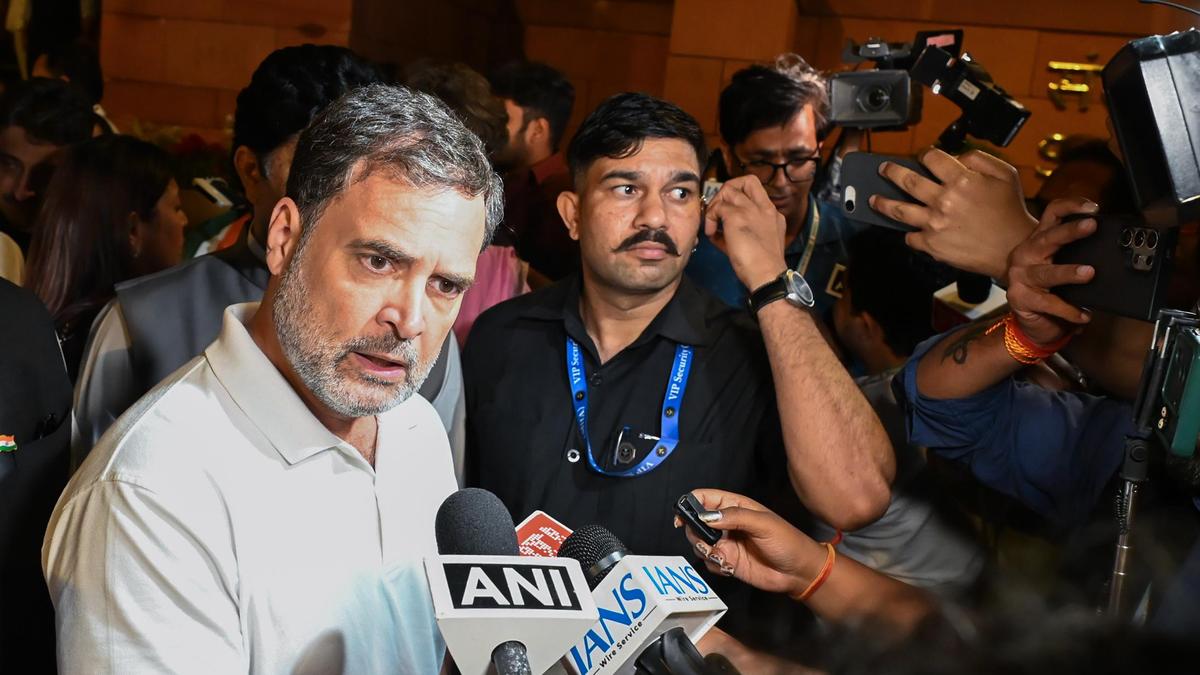
Opposition Defeats Women’s Reservation Bill in Lok Sabha, Rahul Gandhi Says
Rahul Gandhi hailed the defeat of the Constitution amendment on women’s reservation as a vital pushback against altering India’s electoral framework.
On April 17, 2026, the Lok Sabha rejected a bill aimed at amending the Constitution to reserve seats for women in Parliament and state assemblies—a move Congress leader Rahul Gandhi described as a "defeat of an attack on the Constitution." The government had framed the bill as a measure to empower women politically, but the opposition saw it differently, arguing it risked distorting India’s complex electoral balance and was not a sincere effort toward gender equality.
Why the Defeat Matters
The bill was tied to a longstanding debate in Indian politics: reservation for women. India has held the line on quotas in local governments for over two decades, guaranteeing one-third of seats for women in panchayats and municipalities. Extending this principle to Parliament and legislative assemblies has been contentious. It requires amending the Constitution—a high bar that demands broad consensus.
Rahul Gandhi’s framing of the bill’s defeat as pushing back "against an attack on the Constitution" speaks to deeper fears in the opposition, especially Congress and several regional parties. They argue the proposed law could upset the delicate balance of representation among caste, religion, and regional interests, which Indian democracy carefully manages through existing electoral formulas.
Notably, Gandhi accused the government of using the women’s empowerment narrative as a “façade” to push through political engineering that would bolster the ruling party's advantage. This skepticism captures a critical tension in Indian politics: social justice initiatives sometimes intersect with power calculations, muddying public consensus.
The Broader Political Landscape
Prime Minister Narendra Modi’s Bharatiya Janata Party (BJP) has been pushing policies under the umbrella of social reforms and empowerment, often coupling these with new political alignments. Women’s reservation in Parliament would mark a historic step if enacted, building on the BJP’s narrative of inclusion and reform. Yet the bill’s failure reveals cracks in the Modi government’s parliamentary support and signals significant resistance from regional power brokers.
This episode also echoes past challenges India faced when attempting major electoral reforms—from the Mandal Commission reservations for Other Backward Classes (OBCs) to proposals for changing the size and composition of parliamentary seats. In each case, reforms touched on India’s intricate identity politics, where changes resonate unevenly across regions and communities.
What to Watch Next
The bill’s defeat raises immediate questions about the fate of women’s political representation reforms. Will the government revisit this initiative with more compromises to win regional partners’ and opposition’s buy-in? Or will the idea stall, forcing activists and lawmakers to seek alternative paths toward gender equality in politics?
Additionally, this event sharpens the spotlight on Rahul Gandhi and Congress’s larger strategy as the 2029 general elections approach. Positioning themselves as defenders of constitutional integrity and social balance rebuts claims that Congress is ineffective, allowing it to claim a role as guardian of democratic norms.
Finally, the outcome underscores the fragile coalition dynamics in Indian politics. India’s democracy thrives on navigating complex social fabrics—any attempt to redraw political representation must reckon with entrenched interests and regional narratives.
For a deeper overview of Indian political structures and electoral complexities, see India and
Global Politics.
This analysis highlights how a bill ostensibly enhancing women’s representation also triggered a fundamental political contest over India’s constitutional and electoral architecture—one with reverberations well beyond the Lok Sabha floor.
Opposition defeated an attack on Constitution: Rahul Gandhi - The Hindu
Discover more
India
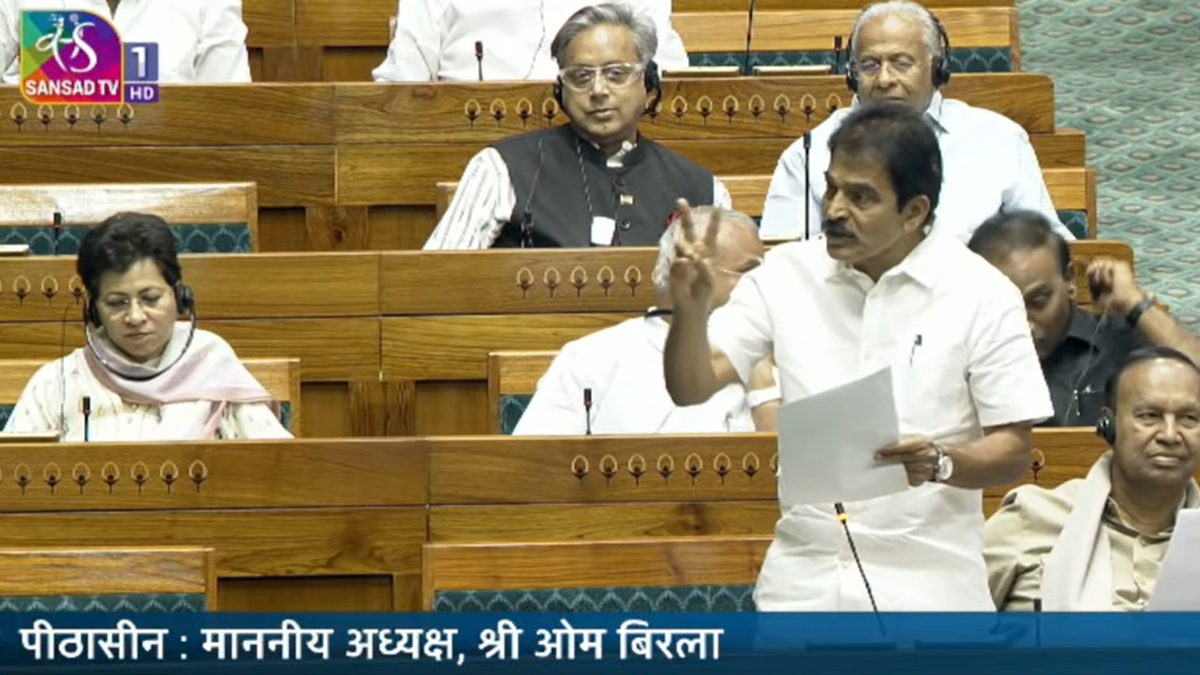
BJP's Women's Reservation Bill Controversy
The BJP faces backlash over the Women's Reservation Bill as the DMK accuses it of political exploitation during a heated and pivotal Lok Sabha session in Delhi.
India
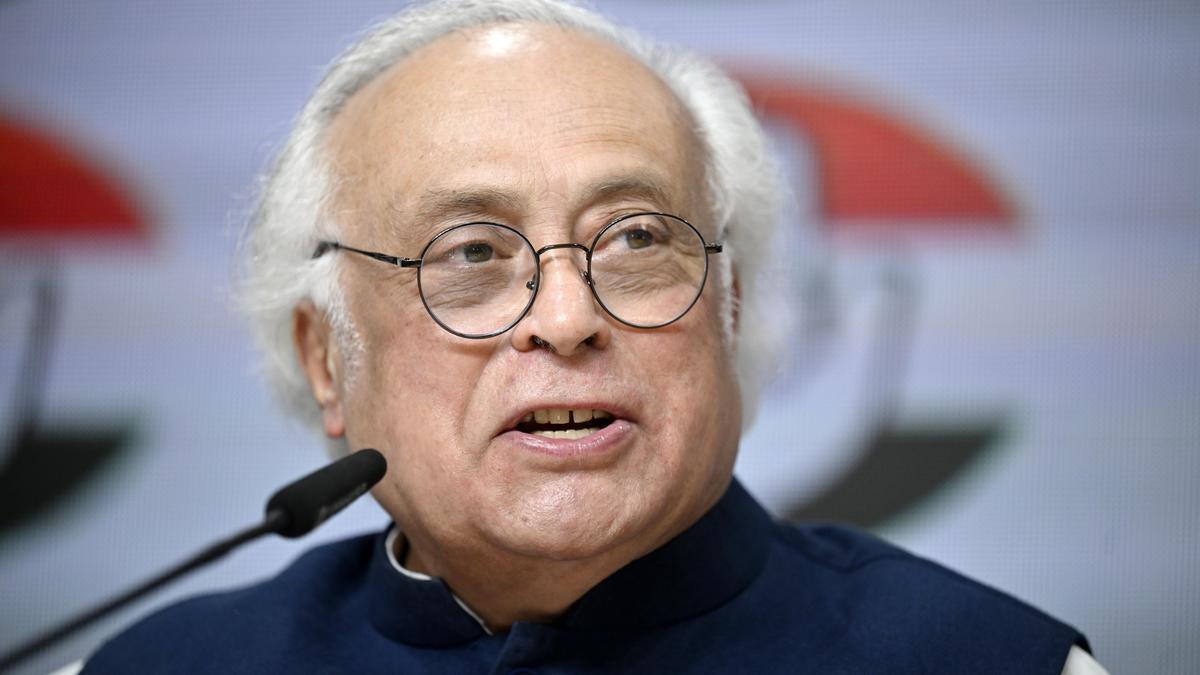
Congress Accuses Modi of Delimitation Deceit
Congress accuses Modi's government of deceit over delimitation, charging it skips a caste census and reshapes political dynamics to its favor before elections.
India
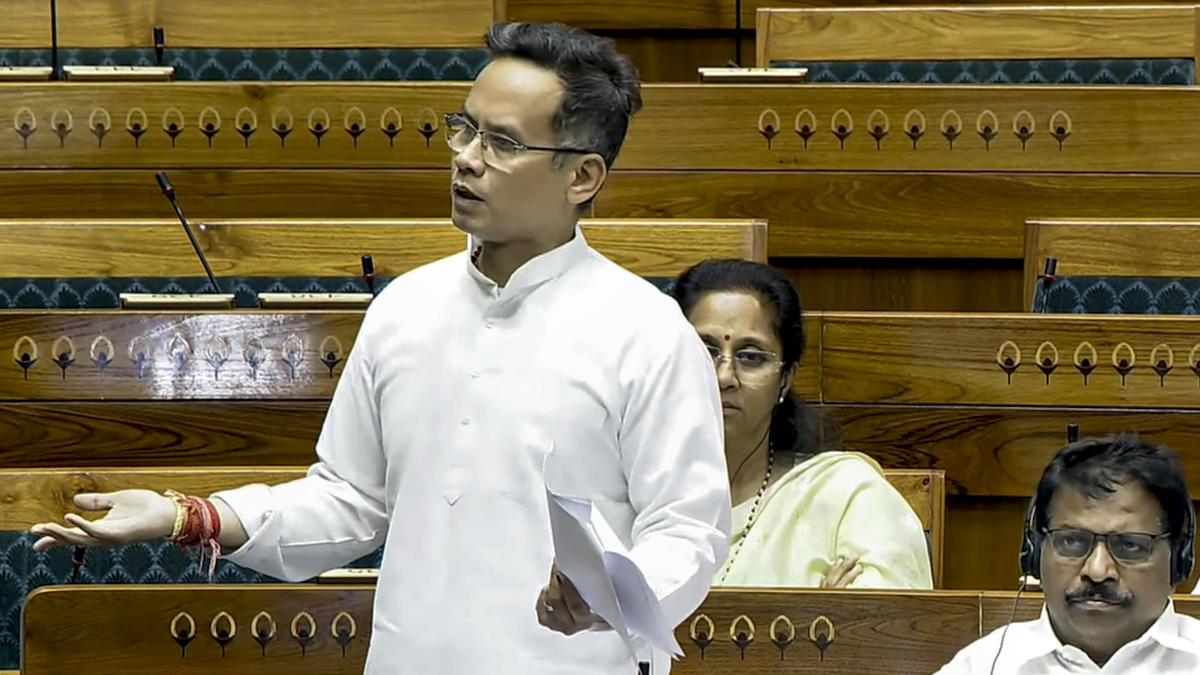
Congress: Modi's Delimitation Manipulation
Congress accused the Modi government of using delimitation to consolidate power in Jammu and Kashmir, urging it be separated from the women's reservation bill.

Conflict & Security
Drone Warfare Killing Aid Workers at Unprec
Over 1,000 humanitarian workers killed in three years as cheap armed drones collapse legal protections. Gaza, Sudan, Ukraine, and DRC see deliberate targeting of aid convoys and hospitals with zero prosecutions.