Norway's Gas Fields: Europe's Energy Shield
Oslo leverages gas output to influence Europe’s energy market.
Model Diplomat3 min readEurope
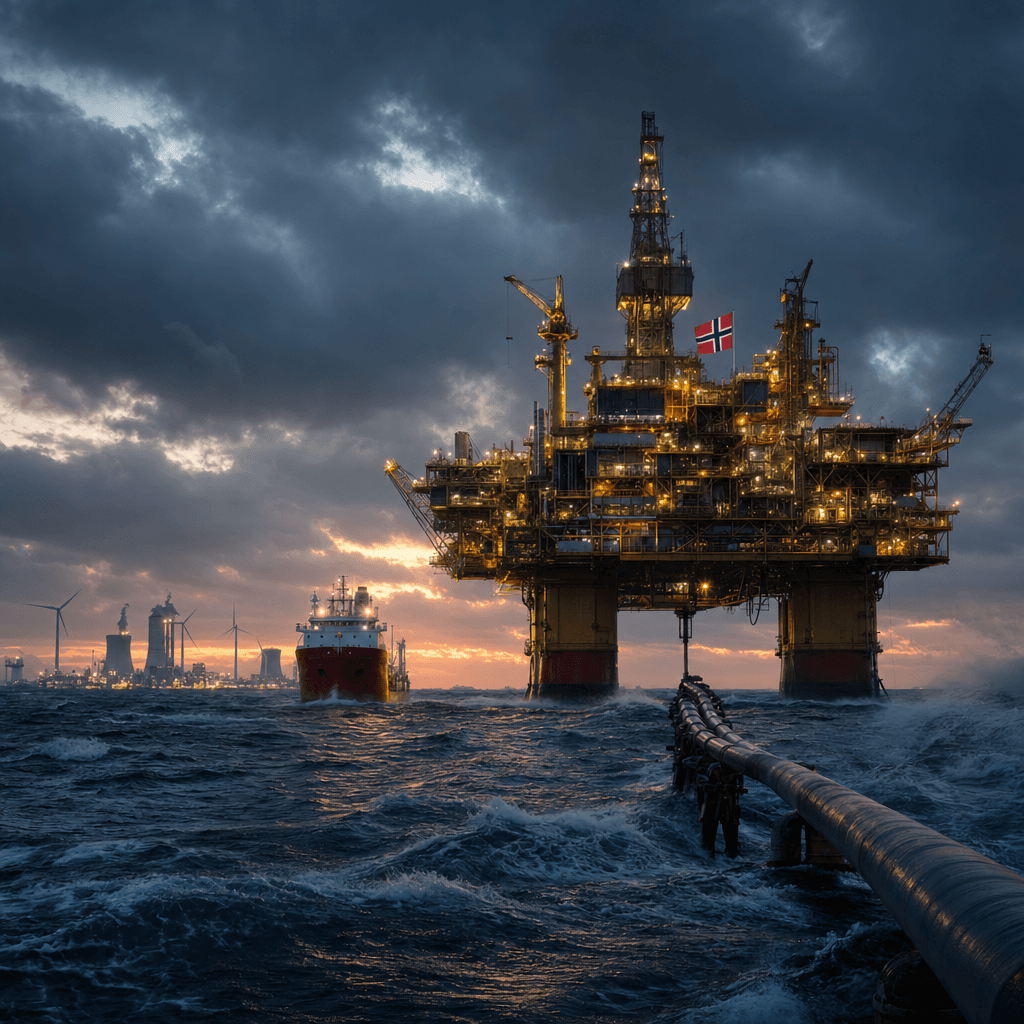
Norway Turns Its Gas Fields into Europe’s Shield
Oslo is treating hydrocarbons as leverage, not legacy: more North Sea output buys Norway influence in Europe’s energy market and exposes the EU’s climate-security split.
Norway is using Europe’s supply anxiety to justify a bigger role for oil and gas. Energy minister Terje Aasland defended plans to reopen three offshore gasfields and keep output high, saying the country is talking about “energy security for Europe,” according to The Guardian. The immediate trigger is geopolitical: war in Ukraine has cut Europe off from Russian gas, and instability in the Middle East is keeping pressure on prices and supply. Norway is moving to fill the gap because it can sell into a market that is still dependent on it.
Europe’s supplier of last resort
That dependence gives Oslo leverage. Since 2022, Norway has become Europe’s largest pipeline gas supplier, and almost all of its oil and gas exports flow to the continent, as POLITICO reported. That makes Norway the nearest politically reliable alternative to Russia at a moment when the EU is still trying to reconcile energy security with decarbonisation. The reopening of the old North Sea fields — closed in 1998 and now set for a restart by the end of 2028 — is not a one-off gesture. It signals that Oslo intends to remain embedded in Europe’s energy system for years, not just during a temporary crisis, as
Le Monde reported.
The economics are clear. The Guardian said Norway expects to maintain production at roughly 2m barrels a day and eventually push beyond 100 offshore oilfields. Le Monde added that the three fields alone will require about 19bn kroner in investment and could produce until 2048. This is not marginal output. It is a long-term supply commitment to Germany, Britain and the wider EU market.
Climate politics meets hard security
The political dividend is stronger for some actors than others. Norway’s government and state-backed producer Equinor benefit from export revenues and strategic relevance. Germany and the UK benefit from additional gas molecules and fewer supply shocks. But environmental parties lose, because this move weakens their argument that Europe can phase out fossil fuels on a fixed schedule. The Socialist Left has already denounced the government’s stance as greenwashing, according to The Guardian.
This is where the deeper fight sits: Europe wants Norwegian gas, but Brussels is still formally committed to cutting fossil dependence. POLITICO reported that Norway is pressing the EU to drop language favoring an Arctic oil-and-gas moratorium as part of its revised Arctic strategy. That matters beyond Norway. If the Commission softens that language, it will be an admission that energy security still trumps climate signaling when markets tighten. For a closer read on how that trade-off is reshaping Europe, see
Global Politics.
What to watch next
The next decision point is Brussels’ revised Arctic strategy, expected before summer, and whether Norway’s domestic opposition can slow further exploration once the restart plan moves from announcement to financing. Watch the end-2028 target for the reopened fields, but the real test comes earlier: whether Europe treats Norway as a bridge supplier or as proof that the fossil transition is moving more slowly than its politics admit.
Discover more
Conflict & Security
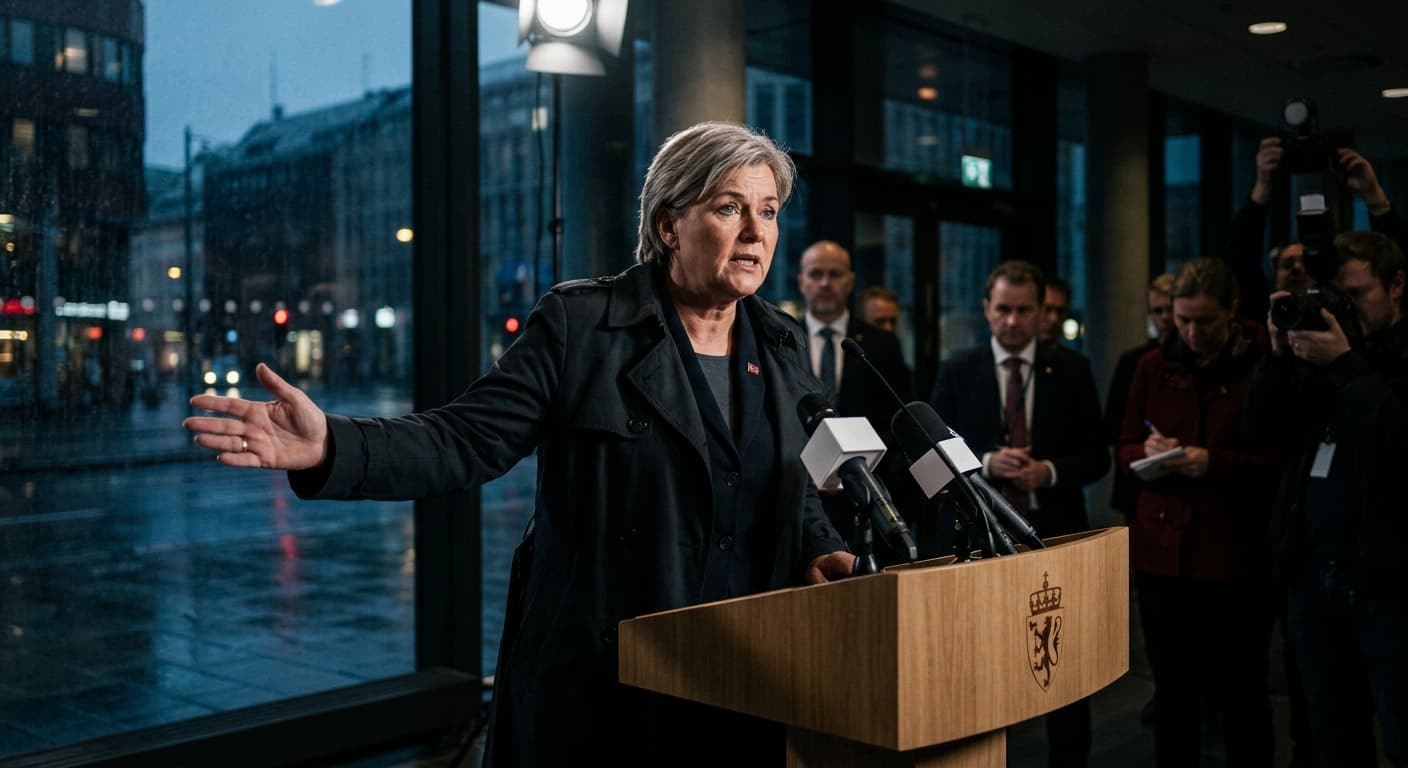
Norway Proposes Ban on Settlements Trade
Norway's government plans to ban all trade with Israeli settlements, sharply escalating pressure on Israel over its occupation of the Palestinian territories.
India
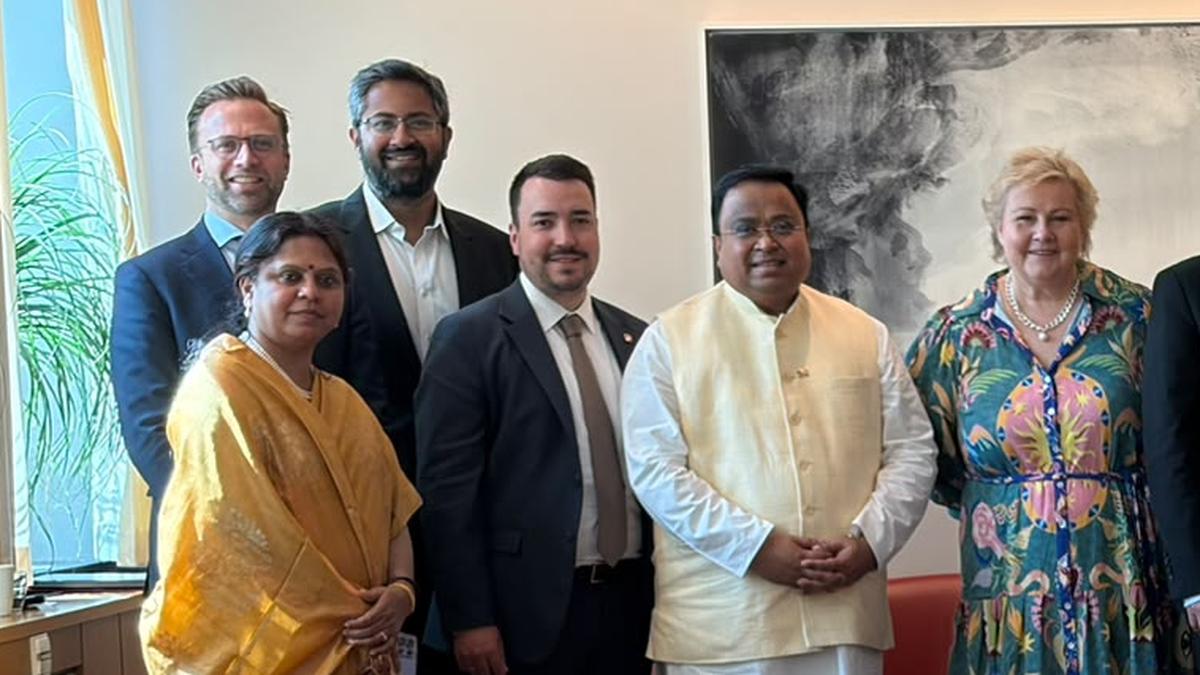
Delhi Woos Oslo: India’s Green Strategy
India's parliamentary delegation to Norway aims to deepen green energy cooperation, positioning Oslo as a partner in New Delhi's clean-energy diplomacy.

Conflict & Security
Drone Warfare Killing Aid Workers at Unprec
Over 1,000 humanitarian workers killed in three years as cheap armed drones collapse legal protections. Gaza, Sudan, Ukraine, and DRC see deliberate targeting of aid convoys and hospitals with zero prosecutions.

Global
World Normalises Taliban as Afghan Women Eras
UN data shows Afghan women erased from public life as Russia recognises the Taliban, EU hosts officials in Brussels, and ICC warrants for gender persecution go unenforced.