No North-South Divide Under Modi
Telangana BJP leader challenges regional bias narratives.
Model Diplomat3 min readIndia
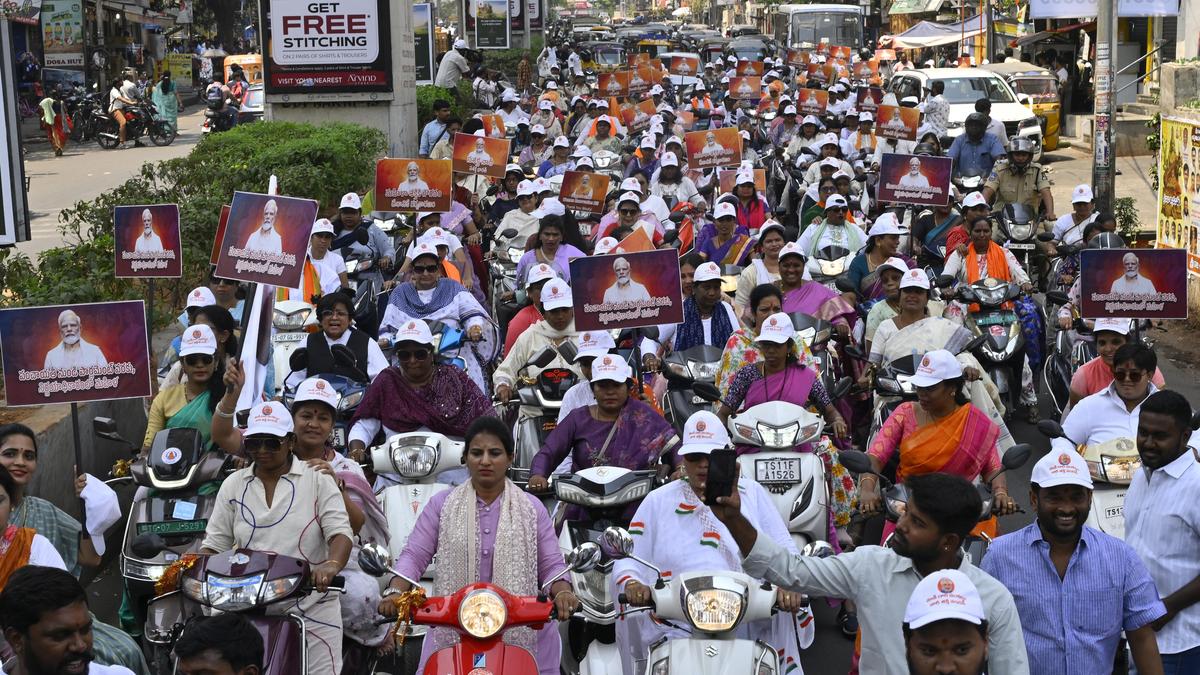
No North-South Divide Under Modi, Says Telangana BJP Chief Ramchander Rao
Telangana BJP chief Ramchander Rao claims Modi’s government treats all Indian regions equally, challenging narratives of regional bias that shape electoral politics.
Telangana BJP president N. Ramchander Rao dismissed the long-standing narrative of a north-south divide under Prime Minister Narendra Modi, asserting that the central government treats all regions—including southern states like Telangana—with equal respect and priority. Speaking recently, Rao called on voters across Telangana and South India to trust Modi’s leadership and policies, underscoring the BJP’s push to make electoral inroads into a region long dominated by regional parties and the Congress.The Hindu
Breaking the North-South Political Narrative
The claim of no north-south divide is significant given the deep-rooted political perception that southern states have been neglected or culturally alienated under Modi’s rule. Since the BJP’s rise in 2014, opposition parties have often accused the central government of a “north-centric” agenda—prioritizing Hindi-speaking states politically and economically, while overlooking the Dravidian south.
In Telangana—a state born out of regional identity movements—this narrative is especially potent. The dominant Telangana Rashtra Samithi (TRS) and other southern parties have leveraged resentment over perceived central neglect to consolidate their voter base. Rao’s claim signals the BJP’s strategic shift: it aims to peel away that narrative by insisting that Modi’s government provides uniform development funds, infrastructure projects, and policy consideration to all states, irrespective of geography.
Rao’s framing also aligns with Modi’s larger political message of “Sabka Saath, Sabka Vikas” (Together with All, Development for All), which tries to transcend regional divides by focusing on development and national integration. But the challenge remains convincing southern voters who have historically seen BJP as an outsider force with an upper-caste, north-Indian image.
Why This Matters: BJP’s Southern Ambitions
Telangana and the broader southern region represent key battlegrounds for the BJP’s ambition to expand beyond its traditional strongholds in the Hindi belt. The party’s foothold in the south has been limited; it remains a minority player in states like Tamil Nadu, Kerala, Karnataka, Andhra Pradesh, and Telangana.
Rao’s statement is as much a political reassurance to voters as it is an internal message to party cadres: the BJP intends to erase regional fault lines that the opposition exploits and present Modi as a pan-Indian leader. This narrative shift could help BJP tap into the growing urban middle-class voters and disillusioned segments in southern states who might welcome central investment and governance reforms.
Yet success depends on overcoming entrenched regional parties that anchor their identity politics firmly around defending “southern interests” against perceived northern dominance. For example, Dravidian parties in Tamil Nadu and Telangana’s regional parties have deep grassroots networks and cultural capital, making the BJP’s challenge uphill.
What to Watch Next
As India approaches a series of state elections in 2026-27 — including in Telangana—observe whether BJP leaders like Ramchander Rao can translate their “no north-south divide” messaging into electoral gains. Key indicators will be:
- The BJP’s ability to showcase tangible development projects and welfare schemes in southern states.
- Voting shifts among urban and young electorates traditionally skeptical of BJP.
- Reactions from regional parties and whether they double down on regional identity or soften positions.
Ultimately, Rao’s comments mark a tactical pivot in BJP’s approach to managing India’s complex regional dynamics. While the central government under Modi has undeniably expanded its footprint in the south since 2014, overcoming the perception of regional bias requires more than rhetoric — it demands credible policy outcomes and sensitive political engagement.
For a deeper look at India’s regional politics and the BJP’s evolving strategy, see our India country profile. For broader context on regional dynamics in Indian politics, visit
Global Politics.
This evolving narrative about regional equity under Modi is more than political messaging; it reflects the high stakes of India’s federal democracy and the challenge of governing a country of sprawling diversity.
Discover more
India
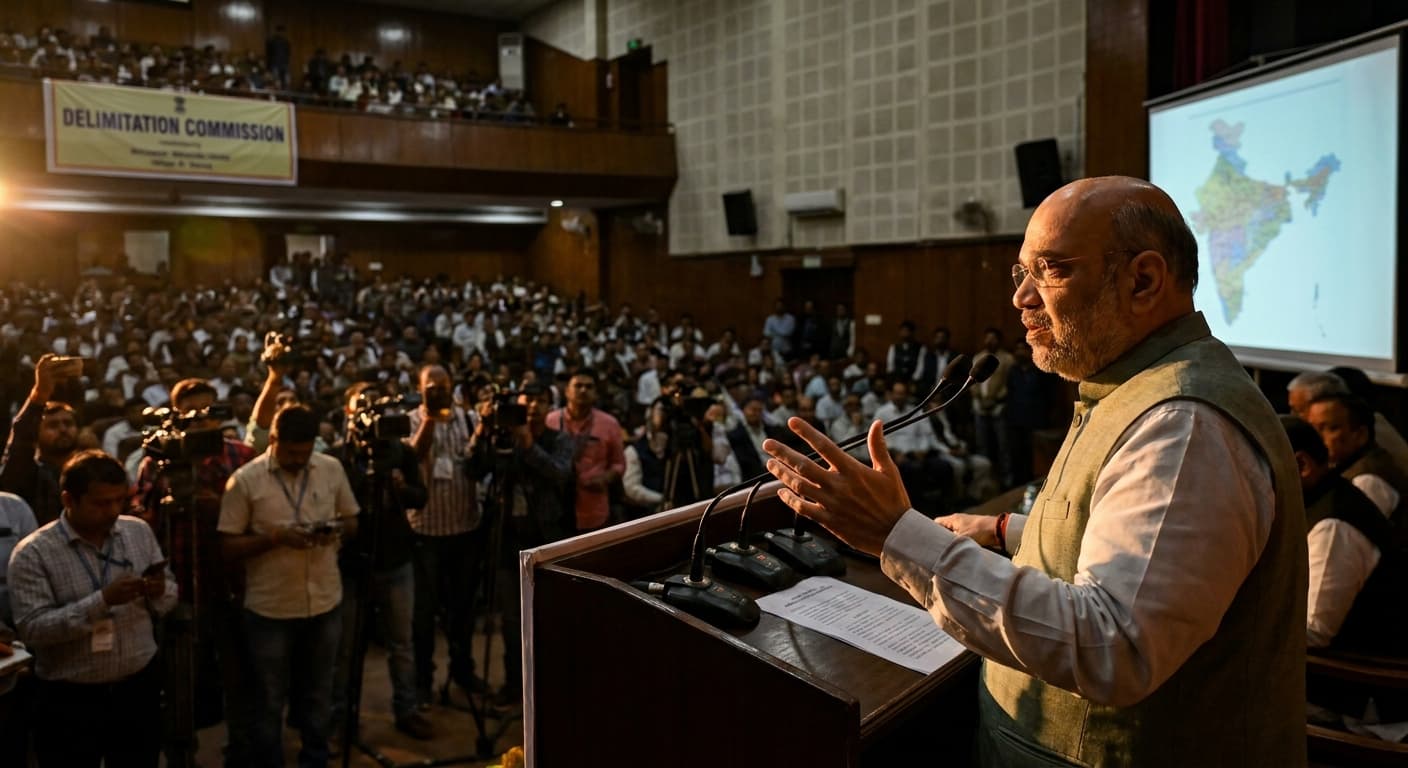
Amit Shah's Delimitation Boosts Southern MPs
Amit Shah said southern states will gain Lok Sabha seats under delimitation, boosting their representation while advancing women's reservation efforts in India.
India
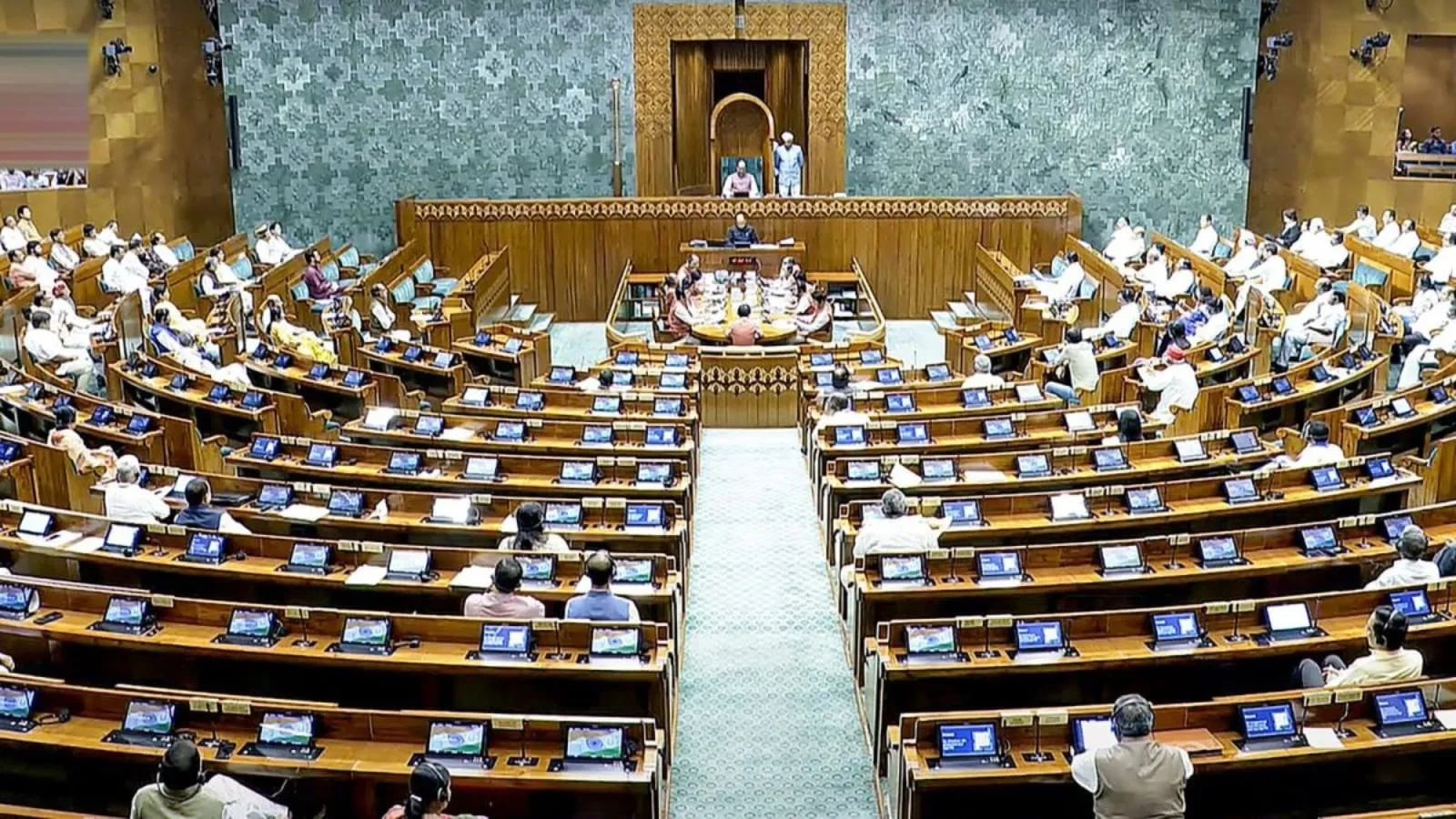
India's Delimitation Plan
India's new delimitation plan would let southern states keep their Lok Sabha seats, balancing demographic shifts against political power in the rework.

India
Amit Shah: No Religion-Based Reservations
Amit Shah reiterated that India's reservations are rooted in caste, not religion, pushing back against opposition claims amid heated debate over the quotas.

Conflict & Security
Drone Warfare Killing Aid Workers at Unprec
Over 1,000 humanitarian workers killed in three years as cheap armed drones collapse legal protections. Gaza, Sudan, Ukraine, and DRC see deliberate targeting of aid convoys and hospitals with zero prosecutions.

