Amit Shah: No Religion-Based Reservations
Amit Shah affirms constitutional stance on reservations in Lok Sabha
Model Diplomat3 min readIndia

'No reservation on basis of religion': Amit Shah reiterates India’s constitutional stance
Union Home Minister Amit Shah clarified in Lok Sabha that reservations in India cannot be granted solely on the basis of religion, affirming that the Constitution mandates reservations be tied to caste or socio-economic criteria instead.
Union Home Minister Amit Shah firmly stated on April 17, 2026, in the Lok Sabha that India’s system of reservations does not allow for affirmative action based purely on religion. He directly addressed objections from a Samajwadi Party MP who raised concerns about reservations, underscoring that the Indian Constitution anchors reservations in caste and social backwardness, not religious identity. This reinforced the ruling government’s consistent stance against granting reservations on a solely religious basis.
Constitutional framing and political stakes
India’s reservation policy is a layered and often contested endeavor designed primarily to uplift Scheduled Castes (SCs), Scheduled Tribes (STs), Other Backward Classes (OBCs), and economically weaker sections by providing quotas in education, employment, and legislatures. Article 15 and Article 16 of the Constitution prohibit discrimination on grounds of religion specifically but allow for affirmative action based on “social and educational backwardness.” This has historically translated into caste-based reservations, as caste remains a distinct social stratifier irrespective of religion.
Shah’s statement comes amid ongoing political contestation around reservation politics in Uttar Pradesh and other states where caste and religion are deeply entwined electorally. The Samajwadi Party, a prominent opposition force in UP, frequently pushes for policies that appeal to specific religious communities, often Muslims, whose social and economic backwardness overlaps but isn’t codified in the same legal framework as caste. Shah’s reiteration underscores the ruling Bharatiya Janata Party’s (BJP) legal-political calculus: avoid reservations explicitly framed on religion to prevent legal challenges and accusations of vote-bank politics, while still addressing caste-linked disparities.
This is not a new debate—India has long struggled to balance affirmative action across a secular framework that constitutionally prohibits religious discrimination but confronts the reality that religious minorities, too, face socio-economic exclusion. The BJP’s position often aligns with conservative legal interpretations and seeks to uphold a uniform national approach to reservations, while opposition parties sometimes seek more community-specific remedies.
What to watch next
The politics of reservations remain central to electoral strategies, especially as Uttar Pradesh heads toward its next assembly polls in early 2027. Shah’s comments might preempt demands for Muslim reservations, currently a live issue in Indian politics with parties like the Samajwadi Party pressing for the state government to consider it.
Another factor to watch is how this stance affects debates in the Supreme Court, where the constitutional validity of religion-based reservations has been litigated repeatedly. The government’s firm public position signals its willingness to defend caste-based reservations while opposing religion-based quotas legally. This could shape the trajectory of affirmative action policy reform and judicial rulings in the coming years.
Finally, the intersection of caste and religion in India’s socio-political landscape means that even without explicit religion-based reservations, communal demographics will continue to influence reservation discussions and policy outcomes. The ruling party’s approach reflects an attempt to manage these fault lines legally and politically without overtly fragmenting secularism enshrined in the Constitution.
For more on India’s complex caste and reservation system, see India’s Profile and our deep dive into
Global Politics.
Discover more
India
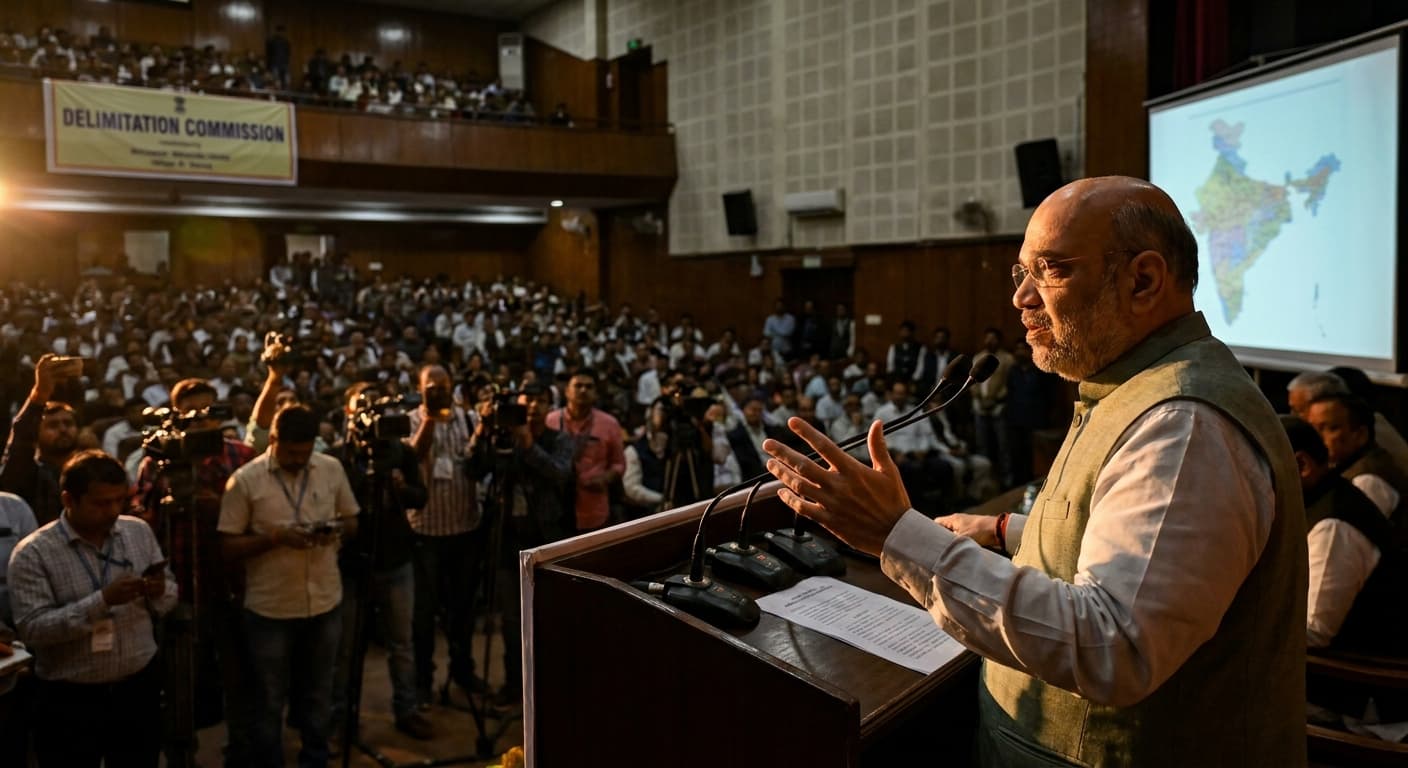
Amit Shah's Delimitation Boosts Southern MPs
Amit Shah said southern states will gain Lok Sabha seats under delimitation, boosting their representation while advancing women's reservation efforts in India.
India
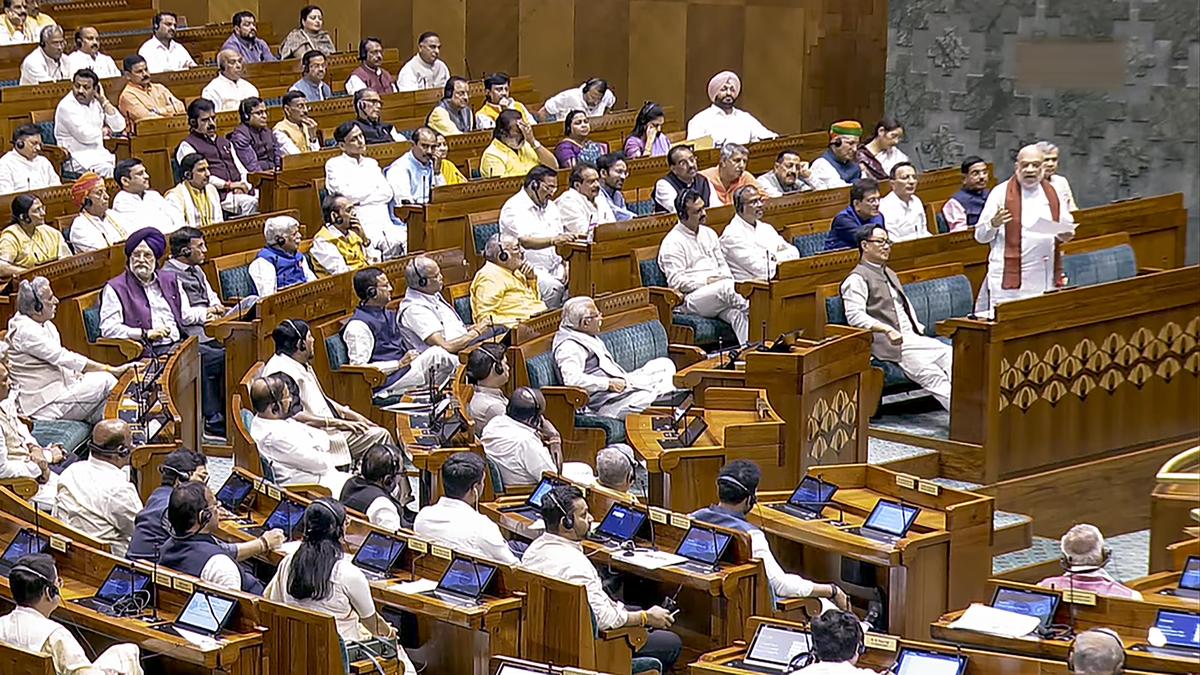
Modi and Shah Assure South India
Modi and Amit Shah promised southern states will keep their parliamentary seats amid delimitation debates, vowing to protect proportional representation.
India
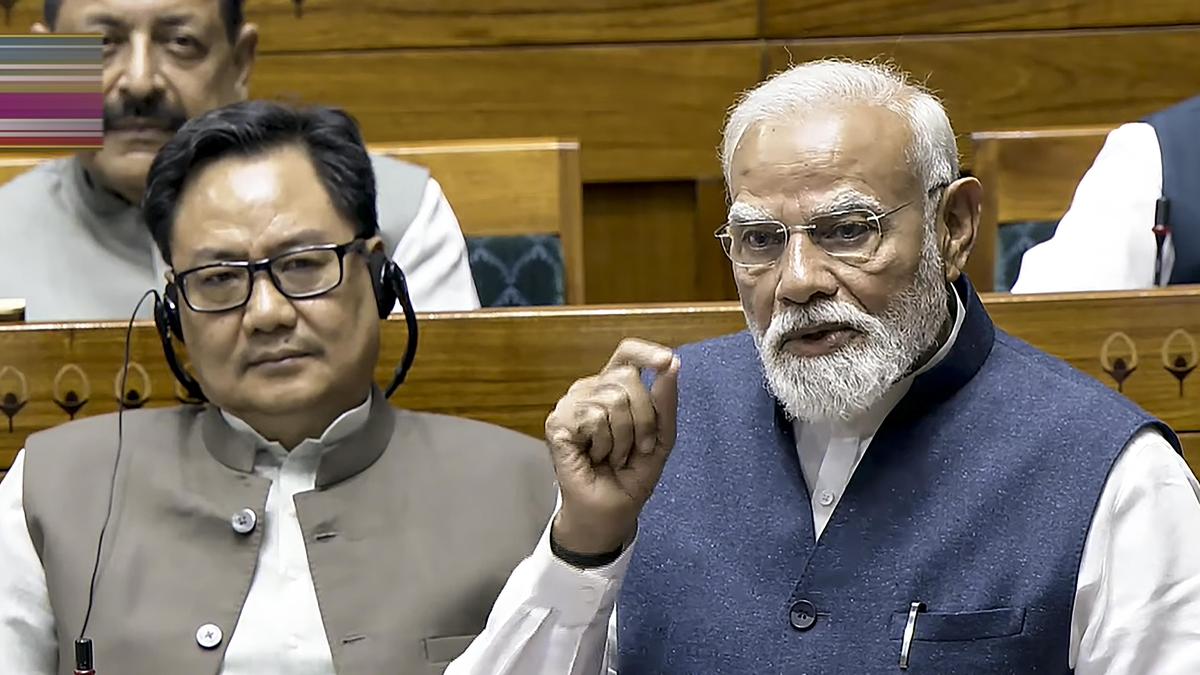
Modi's Delimitation Bill
PM Modi pledged fairness in the 2026 Delimitation Bill, vowing to preserve state representation amid rising political tensions over redrawn seats across India.

Conflict & Security
Drone Warfare Killing Aid Workers at Unprec
Over 1,000 humanitarian workers killed in three years as cheap armed drones collapse legal protections. Gaza, Sudan, Ukraine, and DRC see deliberate targeting of aid convoys and hospitals with zero prosecutions.

