Newcastle Hung Council Hands Power to the Lib Dems
Labour’s collapse leaves Newcastle with no majority. The Liberal Democrats are first among equals, but coalition arithmetic is messy.
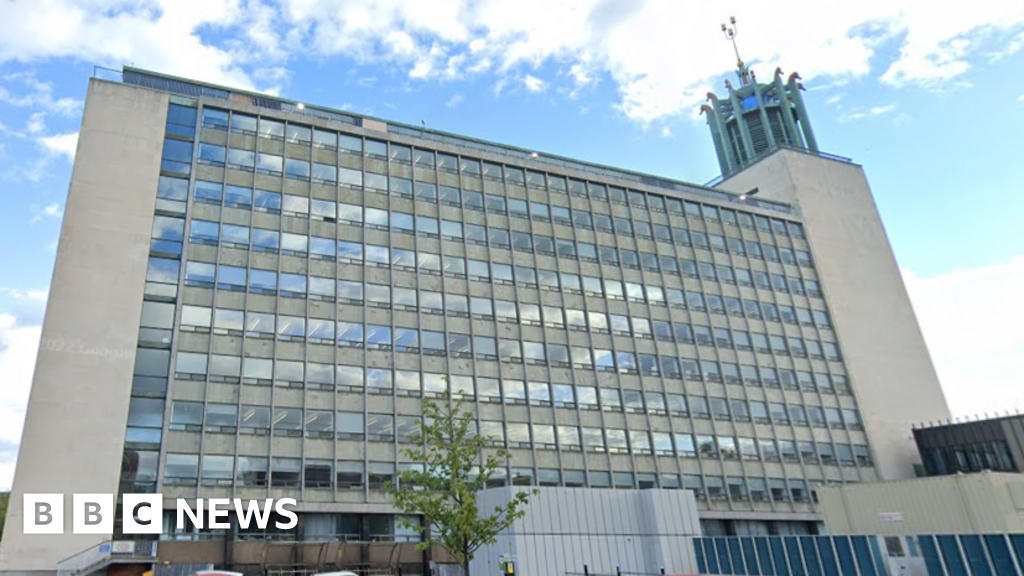
Labour has lost control of Newcastle City Council, and the Liberal Democrats now hold the most leverage as the largest party on 25 seats, ahead of Reform UK and the Greens on 24 each, with Labour reduced to just two councillors, according to the  BBC. The council had been Labour-led since 2011. Now, with no majority anywhere, the next administration will be stitched together through negotiation, not mandate.
The balance of power has shifted, not settled
This is not a clean transfer of authority. Newcastle’s result produces a three-way squeeze: the Lib Dems can claim the first right to build an administration, but they cannot govern alone; Reform UK and the Greens can block, embarrass, or bargain, but neither is close to a majority. The practical winner is the party that can assemble support ward by ward, motion by motion.
That matters because the city has already been running on thin political ice.  Chronicle Live reports Labour had been governing as a minority after defections in 2024, and council leader Karen Kilgour lost her seat in Blakelaw and Cowgate, where Reform took all three seats. The result is less a single-election shock than the end of Labour’s long dominance and the exposure of how fragile that dominance had become.
The politics of the chamber now favors whoever can look least unstable. The Lib Dems are signaling openness to cooperation, but the Greens are not offering a blank cheque, and Reform’s gains make cross-party arithmetic harder, not easier. For Newcastle residents, that means the decisive issue is less ideology than whether an administration can agree a budget, avoid paralysis, and keep services moving. For a broader read on how this fits the countrywide map, see  Global Politics.
Labour’s collapse is the story
Labour’s loss is the headline because it is the clearest sign of voter drift. The party went from 34 seats to two in a council of 78, a catastrophic fall by any local standard. The BBC frames the result as a citywide search for change; that is exactly right, but the more important point is that the protest vote fractured in three directions. Some voters went to Reform, some to the Greens, and some to the Lib Dems. That split is what made Labour’s collapse so severe.
This is also part of a wider North East pattern.  POLITICO argues that Reform is pulling support from Labour in economically stressed areas, while the Greens are taking votes in more progressive urban seats. Newcastle shows both dynamics at once. In other words, Labour is not being replaced by one challenger; it is being dismembered by several.
That fragmentation benefits Reform electorally, because it turns anti-Labour anger into visible wins. It benefits the Greens because they can convert local dissatisfaction into council seats. And it benefits the Lib Dems because they can present themselves as the only credible non-Labour, non-Reform managerial option.
What to watch next
The next decision point is the council’s annual meeting on 27 May, when the new leader and deputy leader are expected to be chosen, according to the BBC. Watch for three things: whether the Lib Dems try to govern alone as a minority, whether they cut a formal or informal deal with the Greens, and whether Reform uses its bloc to force repeated votes rather than compromise.
If the Lib Dems can assemble a workable administration, they inherit the city’s center of gravity. If they cannot, Newcastle becomes another North East council defined by unstable majorities and permanent bargaining — a warning sign for Labour and a test of whether protest politics can be converted into governance.