NDA's 33% Women Reservation Plan for 2029
Delhi CM confirms major gender representation initiative
Model Diplomat3 min readIndia
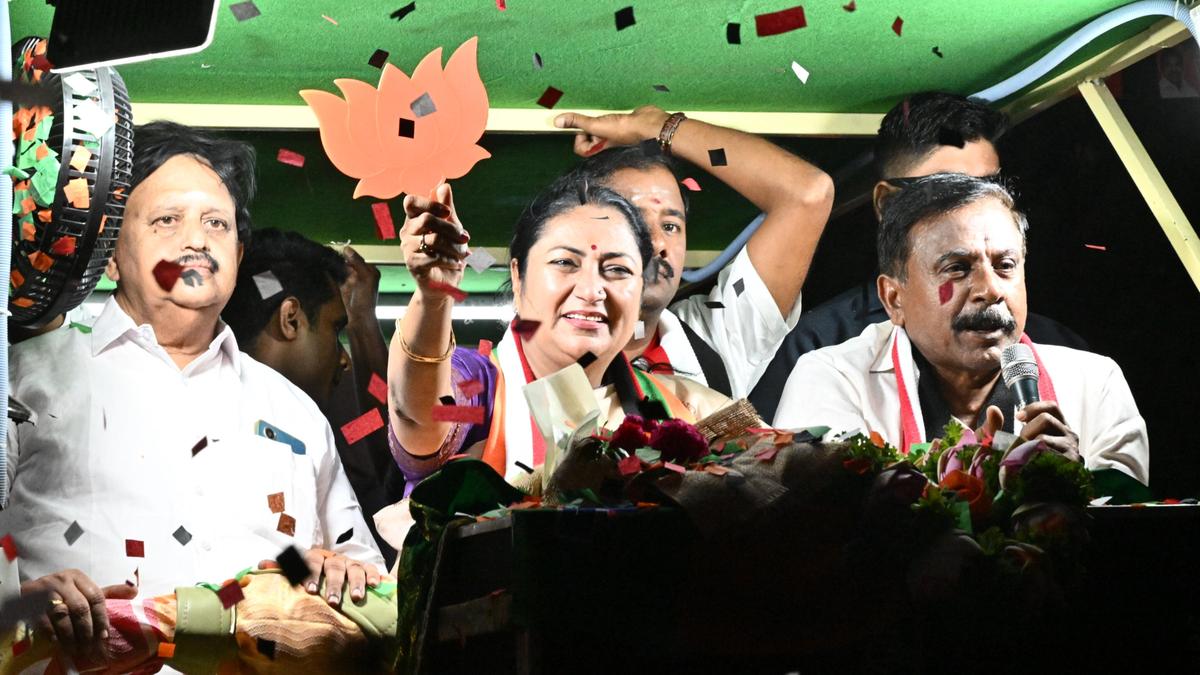
NDA Government to Implement 33% Reservation for Women from 2029, Delhi CM Confirms
Delhi Chief Minister Rekha Gupta announced at a Tamil Nadu rally that the NDA plans to introduce a 33% reservation for women starting in 2029, signaling a major push for gender representation in governance.
Reservation for Women: A Long-Standing Demand
The Bharatiya Janata Party’s Delhi Chief Minister Rekha Gupta confirmed during a campaign rally in Coimbatore for BJP candidate Vanathi Srinivasan that the NDA government has assured implementation of a 33% reservation for women. This pledge, according to Gupta, will take effect starting in 2029. This announcement comes at a critical juncture as India approaches several state and national elections and amid increasing calls for greater female participation in political and public sectors.
Women’s reservation has been a topic of discussion in Indian politics for decades. The Women's Reservation Bill, which seeks to reserve one-third of all seats in the Lok Sabha (lower house of Parliament) and state legislative assemblies for women, has been debated since the 1990s but has faced repeated delays and opposition. Currently, women hold about 14% of seats in the Lok Sabha, far short of the 33% target. This move by the NDA government, if fully enacted, could mark one of the most significant policy advances for gender equality in Indian politics to date.
Why This Matters Now
By anchoring the commitment to 2029, the NDA government appears to be managing expectations while signaling a clear policy trajectory. The timeframe is notable — setting a horizon that allows time for legislative groundwork and political consensus-building while highlighting the central government's acknowledgment of women’s political representation as a priority.
The announcement at a Tamil Nadu rally—far from Delhi’s power core—suggests the BJP’s strategic push to consolidate support among women voters across Indian states, including in regions where it traditionally faces stiff competition. Tamil Nadu’s deeply entrenched regional political culture, dominated by Dravidian parties, has seen limited penetration by the BJP, making this pledge a potential lever for expanding appeal.
Nationally, this commitment could spur state governments and political parties to re-examine their stance on women’s reservation and prepare for systemic reforms. It also brings into focus the BJP’s efforts to present a progressive agenda amid criticism over its social policies and governance style.
What to Watch Next
Implementation challenges remain substantial. The Women’s Reservation Bill has encountered resistance from various caste and political groups fearing loss of constituencies. Key questions include whether this commitment will culminate in legislative action by 2029 and how the government plans to ensure that reservation translates into meaningful political participation rather than tokenism.
Observers should also watch how opposition parties respond, especially regional powers like the DMK in Tamil Nadu or the SP in Uttar Pradesh, where women’s reservation proposals have local political repercussions.
Further, the political calculus for the NDA involves balancing the push for women’s empowerment with electoral realities that often hinge on caste and community loyalties. How these dynamics play out could redefine gender politics in India over the next decade.
For India watchers interested in governance and democratic reforms, this commitment by the NDA government encapsulates the tensions and opportunities in advancing gender equality within a complex, multi-layered polity.
For more insights on Indian political dynamics, visit India Politics.
Source: The Hindu
Discover more
India
India's 131st Amendment Bill
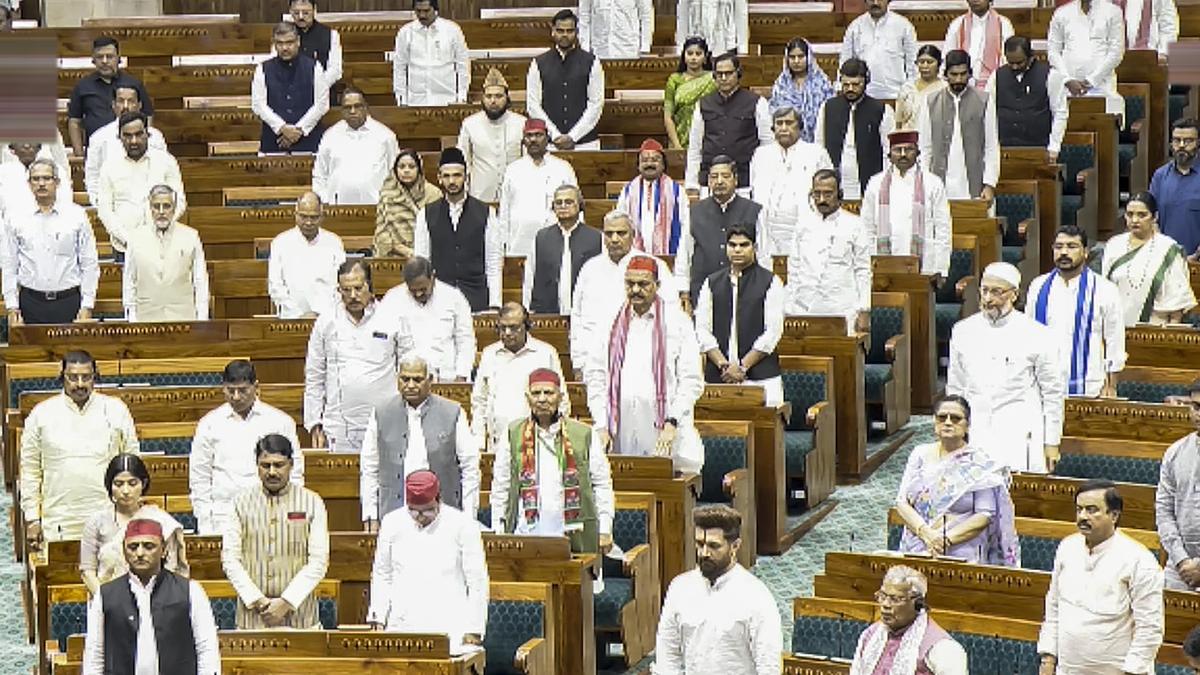
The Lok Sabha passed the 131st Amendment Bill, clearing a path for a 33% women's reservation in Parliament by 2029 and breaking a two-decade-long impasse.
India
India's 33% Women’s Reservation Bill
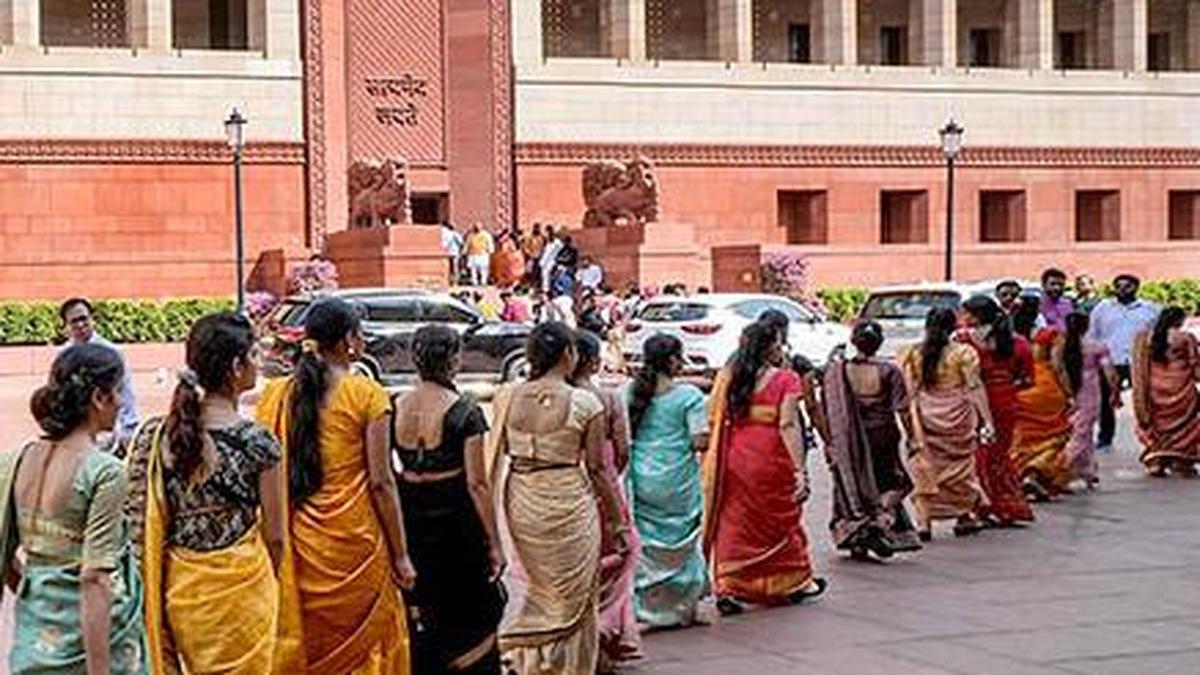
India's Lok Sabha debated a historic bill reserving 33% of seats for women, a measure aimed at transforming representation and advancing gender equity.

India
India's Lok Sabha Seats Rise 50% with Women
India plans to expand Lok Sabha seats by 50% while reserving 33% for women, a sweeping overhaul set to reshape political representation across the country.

Conflict & Security
Drone Warfare Killing Aid Workers at Unprec
Over 1,000 humanitarian workers killed in three years as cheap armed drones collapse legal protections. Gaza, Sudan, Ukraine, and DRC see deliberate targeting of aid convoys and hospitals with zero prosecutions.