Narges Mohammadi's Hospital Transfer in Iran
Iran's control over Narges Mohammadi's treatment remains firm.
Model Diplomat2 min readMiddle East

Narges Mohammadi’s Hospital Transfer Exposes Iran’s Leverage
Tehran’s bail and hospital transfer buys time for Narges Mohammadi, but not freedom; the state still controls the terms of her treatment and detention.
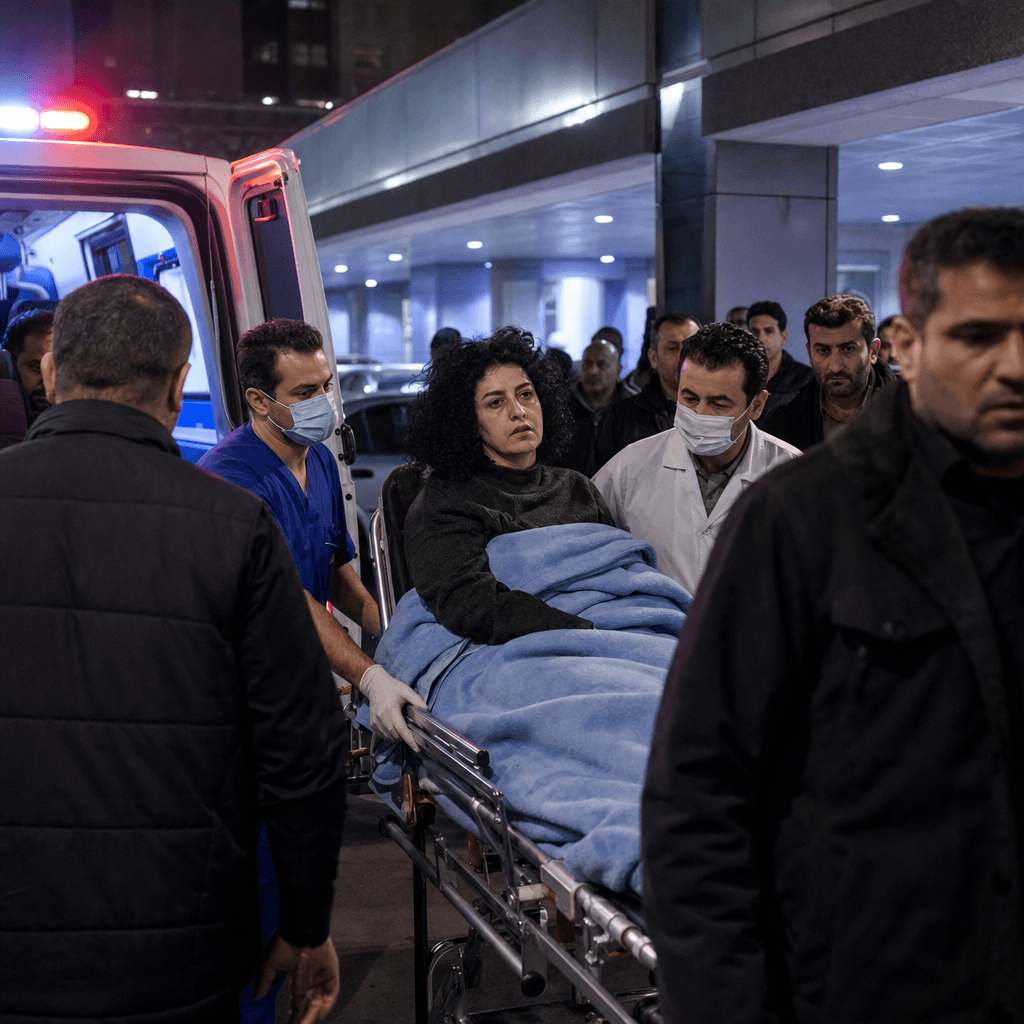
Iran has moved Nobel Peace Prize laureate Narges Mohammadi from prison to a Tehran hospital on a “sentence suspension on heavy bail,” her family foundation said, after days of warnings that her health had become critical BBC News. The AP, carried by
PBS News, reported that the transfer followed at least two losses of consciousness, a suspected heart attack, and repeated pleas from her family for treatment by her own medical team.
Iran is backing down tactically, not strategically
This is damage control, not a policy reversal. Mohammadi’s supporters say she is still a prisoner in legal terms, only now under a temporary suspension that could be reversed. The foundation says the arrangement is not enough and is demanding “permanent, specialized care” and unconditional release BBC News;
PBS News.
That matters because Mohammadi is not a routine dissident. She won the 2023 Nobel Peace Prize while jailed, has spent much of the past two decades in and out of prison, and was already serving a 13-year sentence before being hit with an additional seven-and-a-half years earlier this year, according to the BBC report BBC News. In other words, the system is not softening; it is managing a high-profile liability.
Why this case matters beyond one activist
Mohammadi has become a symbol of the cost of dissent inside the Islamic Republic, especially after the 2022-23 protest wave and the regime’s wider crackdown on women’s rights activists BBC News;
Le Monde. The state gains little by letting her die in custody: that would invite pressure from the Nobel committee, European capitals, and human-rights groups. But it also does not want to concede a real release that could embolden other prisoners and signal weakness.
So the transfer serves both sides unevenly. Mohammadi gains access to medical care. Tehran gains breathing room and the appearance of flexibility. But the core leverage remains with the security and judicial apparatus, which still decides whether she stays in hospital, returns to prison, or is finally released.
What to watch next
The next decision point is simple: does the “sentence suspension” become a durable medical release, or does Iran send her back once the immediate crisis passes? Watch for any court filing, any fresh statement from the Legal Medicine Organization, and whether her lawyers can turn this temporary transfer into a permanent stay. For now, the key test is whether Tehran lets her remain under her own doctors’ care long enough to matter.
Discover more

International Relations
Iran's Tactical Medical Move for Narges Mohmm
Iran's hospital transfer of Nobel laureate Narges Mohammadi is a tactical move, not a true release, underscoring Tehran's calculated handling of dissidents.

Conflict & Security
Narges Mohammadi's Bail: Iran's Control Expos
Narges Mohammadi's bail release exposes how Iran wields control over dissent, using her fragile health and detention as leverage against its critics at home.
Global Politics
Narges Mohammadi Transferred to Tehran Care
Iran moved Nobel laureate Narges Mohammadi to a Tehran hospital after delays, underscoring the state's grip over the care of its jailed political prisoners.

International Relations
Iran Exploits Narges Mohammadi's Health
Iran is leveraging Nobel laureate Narges Mohammadi's deteriorating health for political gain, turning a human rights crisis into a bargaining instrument abroad.