Muslim Quota Demand Fuels Lok Sabha Debate
Debate over women's reservation Bills reveals political tensions
Model Diplomat3 min readIndia
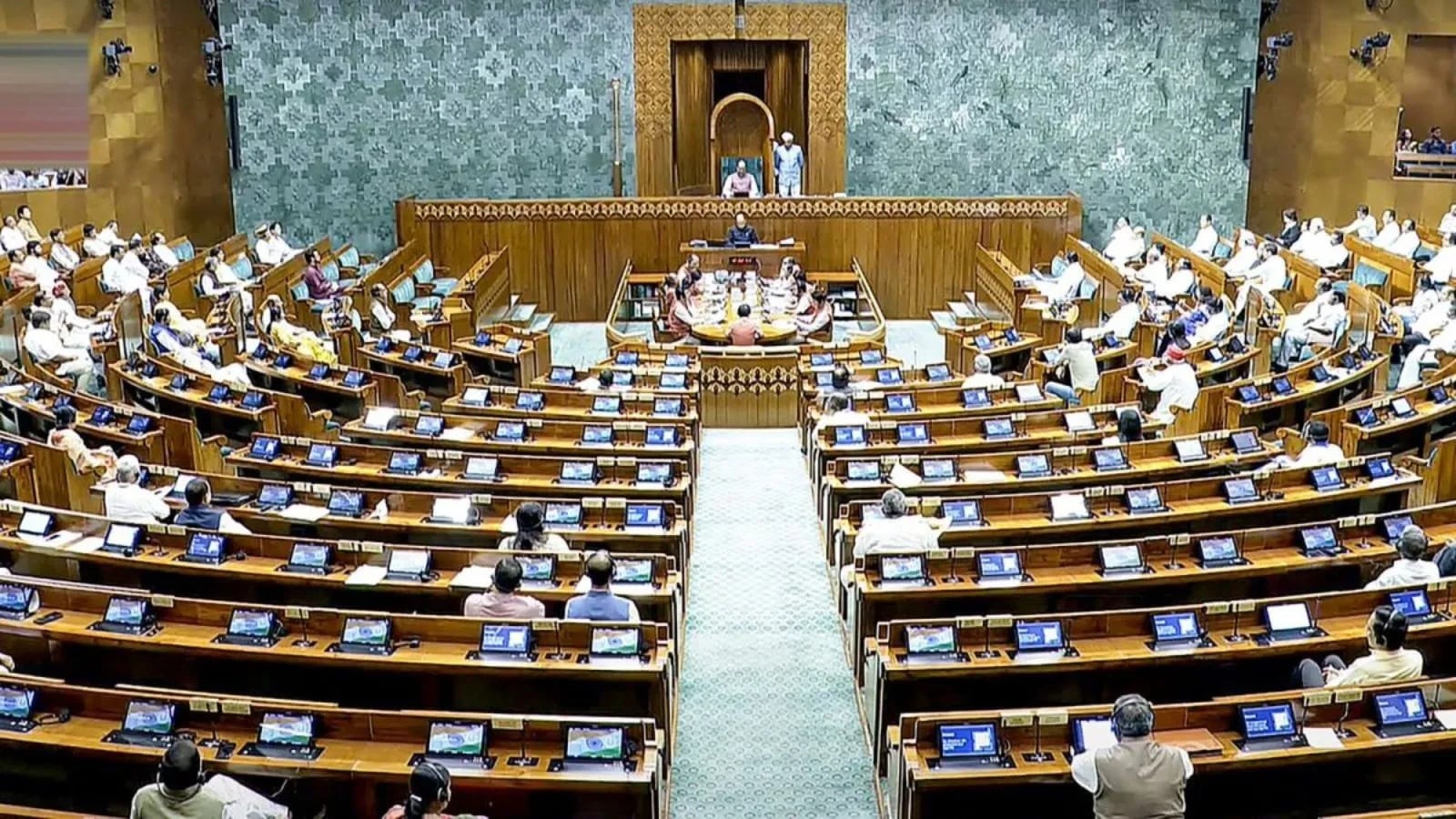
Muslim Quota Demand Sparks Lok Sabha Clash Over Women’s Reservation Bills
The Lok Sabha debate on three new women's reservation Bills today turned turbulent when SP MP Dharmendra Yadav demanded a specific quota for Muslim and OBC women, exposing fissures in India’s affirmative action politics.
The Indian Parliament witnessed a heated clash on April 17, 2026, during the introduction of three women’s reservation Bills by Union Law Minister Arjun Ram Meghwal. While the Bills aim to advance political representation for women, the debate quickly escalated over demands for sub-quotas within the reservation framework. Samajwadi Party (SP) MP Dharmendra Yadav pressed for a separate quota for Muslim and Other Backward Classes (OBC) women, insisting that mere reservations for women should expressly benefit marginalized communities. This demand sparked vociferous opposition and a disruptive standoff in the Lok Sabha.
Why It Matters: Intersectionality in Indian Reservation Politics
These Bills build on a long-standing, often contentious effort to enhance women’s representation in elected bodies through reserved seats. Women currently hold around 14% of Lok Sabha seats, and advocates argue that reservation is crucial to push this closer to parity. Yet, the blanket “women’s reservation” approach runs into the complexity of India’s deeply layered social cleavages, especially caste and religion.
Dharmendra Yadav’s demand foregrounds a core issue: political reservation for women, without internal quotas, risks primarily benefiting women from dominant castes and communities. Muslim and OBC women, despite their social and economic vulnerabilities, have historically been underrepresented not only due to gender but also caste and religious marginalization. The demand for sub-quotas within women’s reservations echoes ongoing debates about "intersectional reservation," which challenges simplistic categories of affirmative action.
This clash in the Lok Sabha is a fresh reminder of the balancing act Indian political parties must perform to address intersectionality. The SP’s vocal demand for Muslim women’s reservation aligns with its broader strategy of social coalition-building among Muslims and OBCs in Uttar Pradesh and beyond. Conversely, the opposition’s resistance to fragmenting reservation categories suggests concerns about diluting the seats available to women overall or complicating political calculations in a fractured polity.
What to Watch Next
The outcome of these Bills holds significant implications not only for women’s political empowerment but also for the future shape of India’s reservation policy — one of the most complex and contentious elements of its democracy. Watch for:
- Whether the Government amends the Bills to explicitly include sub-quotas for Muslim and OBC women, which would signal a major policy shift.
- How other parties, particularly the BJP and Congress, position themselves on intersectional reservation demands.
- The broader impact on upcoming state and national elections, where coalition arithmetic often hinges on appeals to caste and religious identity-based groups.
- Parallel discussions in the ongoing delimitation process, which could redraw electoral boundaries in ways that affect reserved constituencies.
In Indian politics, reservation is never just about numbers; it shapes who has voice, power, and political legitimacy. This Lok Sabha episode crystallizes the persistent challenge: how to design affirmative action that genuinely reaches those at the intersection of multiple historical disadvantages.
For deeper context on India’s caste and reservation dynamics, see our India profile and
Global Politics.
Source: Muslim quota demand sets off clash in Lok Sabha as women’s reservation Bills introduced
Discover more
India
India's 33% Women’s Reservation Bill
India's Lok Sabha debated a historic bill reserving 33% of seats for women, a measure aimed at transforming representation and advancing gender equity.

India
India's Women's Reservation Bill Sparks Cont争
India's Parliament passed the women's reservation and delimitation bills, igniting BJP-opposition tensions and reshaping electoral dynamics ahead of 2029 polls.

India
Modi Proposes 33% Women Reservation in LokSab
The Modi government introduced bills to reserve 33% of Lok Sabha seats for women, a sweeping push for gender parity in Indian politics and elected office.

Conflict & Security
Drone Warfare Killing Aid Workers at Unprec
Over 1,000 humanitarian workers killed in three years as cheap armed drones collapse legal protections. Gaza, Sudan, Ukraine, and DRC see deliberate targeting of aid convoys and hospitals with zero prosecutions.