Modi's Women’s Reservation Bill Vote
Exploring the implications of Modi's women’s reservation bill push
Model Diplomat3 min readIndia
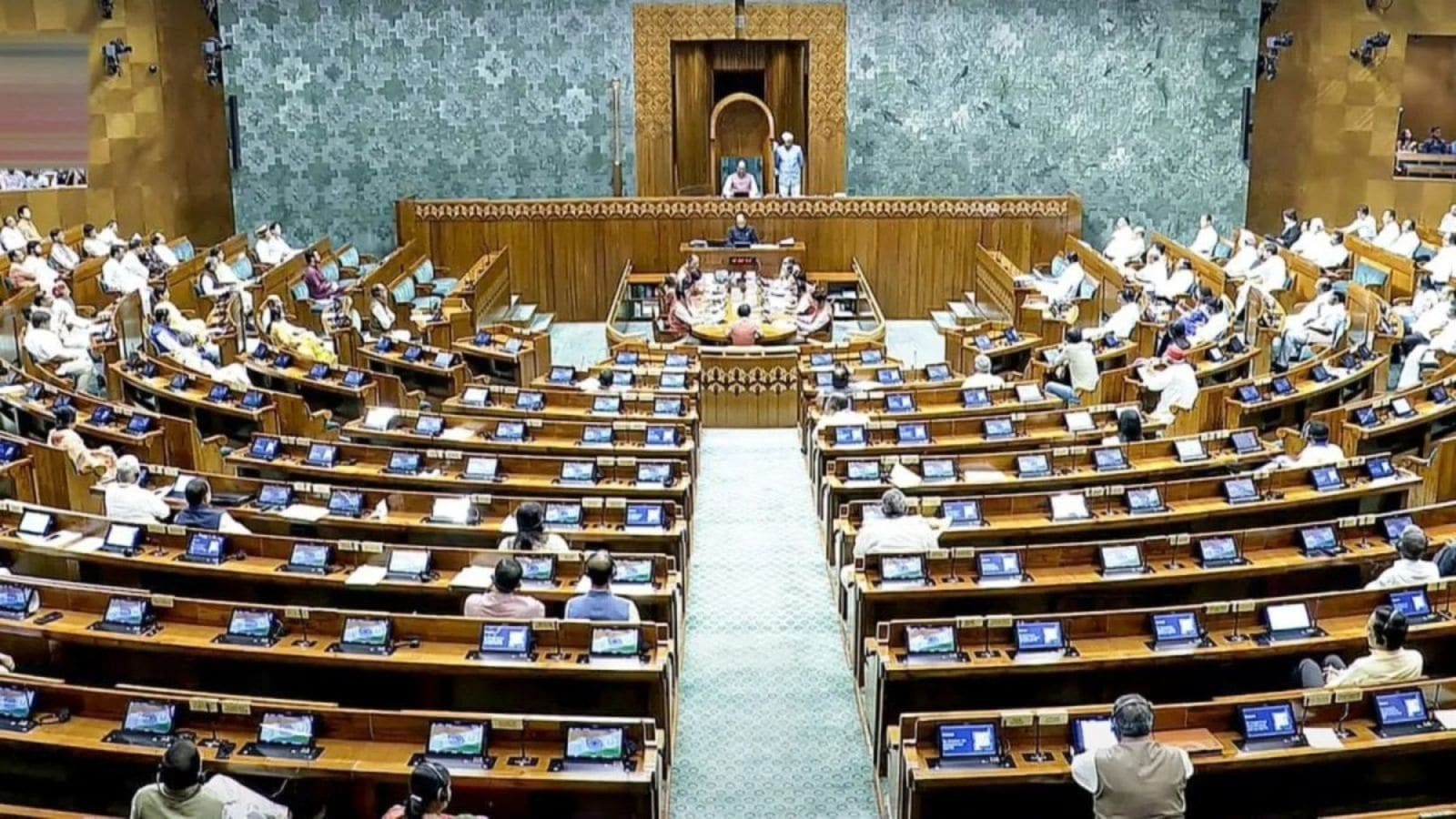
Modi’s Push for Women’s Reservation Bill Vote Spotlights Political Crossroads
Prime Minister Narendra Modi’s appeal for support on the women’s reservation bill frames a key political test over gender equity and electoral reform in India.
On April 17, 2026, Prime Minister Narendra Modi urged Parliament to back three bills aiming to fast-track the long-delayed law reserving 33% of seats for women in India’s legislatures. The appeal came ahead of a crucial Lok Sabha vote expected to be contentious, particularly over the government’s tie-in of women’s reservation implementation with delimitation — the redrawing of electoral boundaries.
Why This Vote Matters
Women’s reservation in elected bodies has lingered on India’s legislative agenda for over two decades, repeatedly stalled despite widespread political backing. The current government’s approach — pushing bills to amend the Constitution for immediate seat reservation alongside fresh delimitation — reflects a strategic gamble.
Delimitation has become the sticking point. Critics argue linking it to women’s reservation complicates and politicizes what could otherwise be a straightforward women’s empowerment reform. Opposition parties worry that redrawing constituencies based on potentially outdated population data (from 2011 census figures) will skew political advantage toward ruling powers, particularly Modi’s Bharatiya Janata Party (BJP).
Modi’s framing presents the vote as a historic moment in advancing women’s political representation, hoping to rally cross-party support despite these concerns. The prime minister’s personal appeal signals how critical the government views success here for its broader social reform and electoral agenda.
The Political and Social Context
India currently ranks low globally on women’s parliamentary representation—just about 14% in the Lok Sabha and less than 10% in several state assemblies. The women’s reservation bill promises to close this gap significantly by reserving one-third of seats for women in local, state, and national elections.
However, the broader reform’s linkage to delimitation complicates the political calculus. Delimitation reshapes constituencies based on shifting populations and demographic data, and its timing has electoral consequences. Since the last nationwide delimitation, rapid urbanization and demographic shifts have changed the political landscape, and parties fear that how boundaries are redrawn could make or break their future election prospects.
This explains the opposition’s reluctance to support the bill without guarantees on the delimitation process’s impartiality and timing. It also reflects a broader debate in Indian politics: balancing social justice reforms against political strategy and electoral fairness — a recurring paradox historically for transformative laws.
Modi’s push suggests confidence that aligning two reforms—women’s reservation and delimitation—can generate momentum for both, though it risks alienating some opposition factions.
What to Watch Next
The Lok Sabha vote outcome will illustrate whether Modi’s government can unify support across party lines on sensitive electoral reforms tied to social equity. If passed, the bill could accelerate women’s political inclusion on a scale not seen before in India.
But the devil lies in implementation details: the delimitation exercise post-vote, access to accurate and updated census data, and transparency in constituency redrawing will remain key battlefronts that political analysts and activists will scrutinize closely.
Failure to secure broader consensus could trigger renewed political friction, possibly delaying the reform further or prompting legal challenges. The bill’s fate thus offers an early test of Modi’s legislative clout and priorities heading into the crucial 2027 general elections.
For more on India’s political dynamics and reform trajectory, see the India profile and
Global Politics.
Source: Indian Express
Discover more
India
Delimitation in India
India's delimitation exposes a deepening struggle between federalism and equal voting power under Modi's centralizing politics and shifting seat allocation.
India
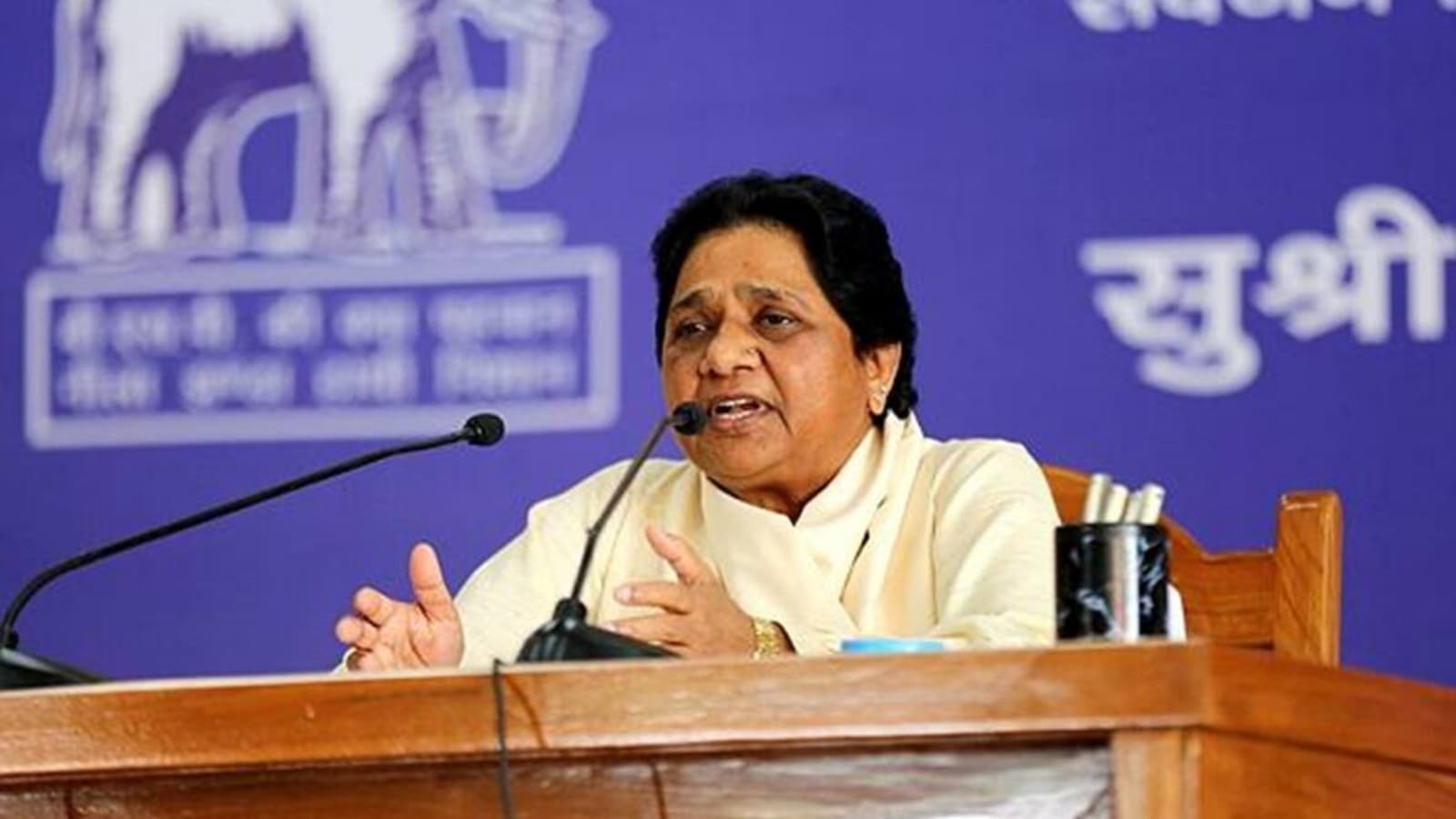
Former Leaders Endorse Women's Reservation
Pratibha Patil, Meira Kumar, and Mayawati backed the 33% Women's Reservation Bill, uniting behind a push to expand women's political representation in India.
India
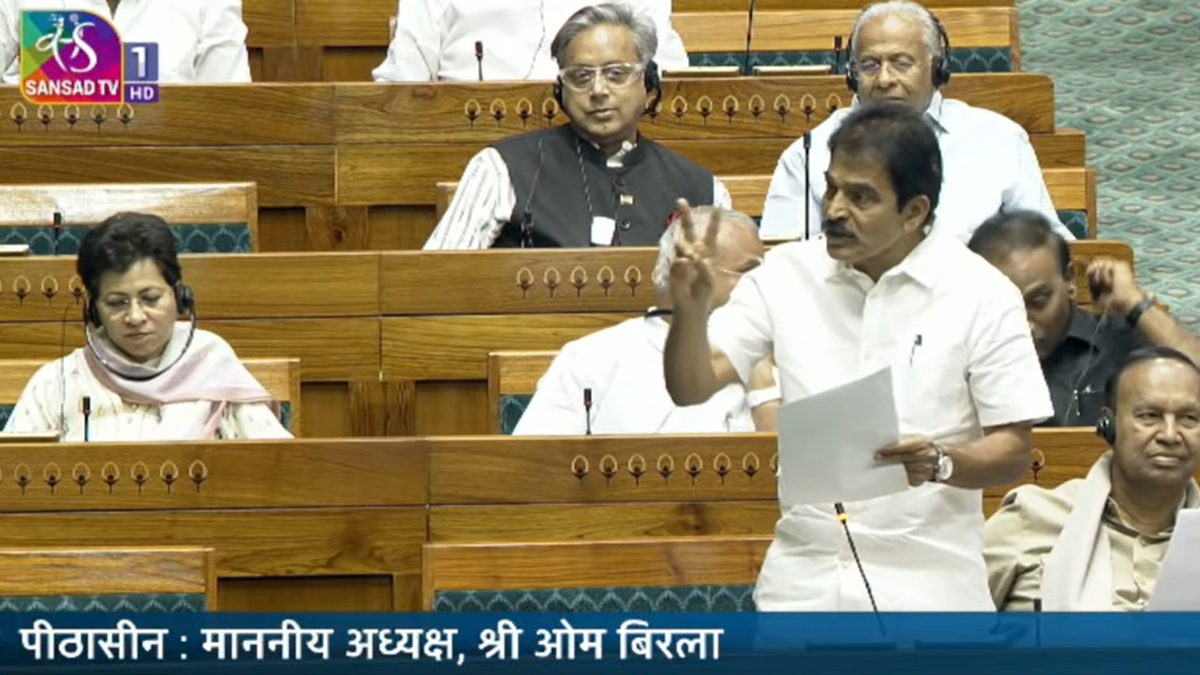
BJP's Women's Reservation Bill Controversy
The BJP faces backlash over the Women's Reservation Bill as the DMK accuses it of political exploitation during a heated and pivotal Lok Sabha session in Delhi.

Conflict & Security
Drone Warfare Killing Aid Workers at Unprec
Over 1,000 humanitarian workers killed in three years as cheap armed drones collapse legal protections. Gaza, Sudan, Ukraine, and DRC see deliberate targeting of aid convoys and hospitals with zero prosecutions.