Modi's Women's Quota Strategy
PM Modi targets opposition while women's representation falters
Model Diplomat3 min readAsia
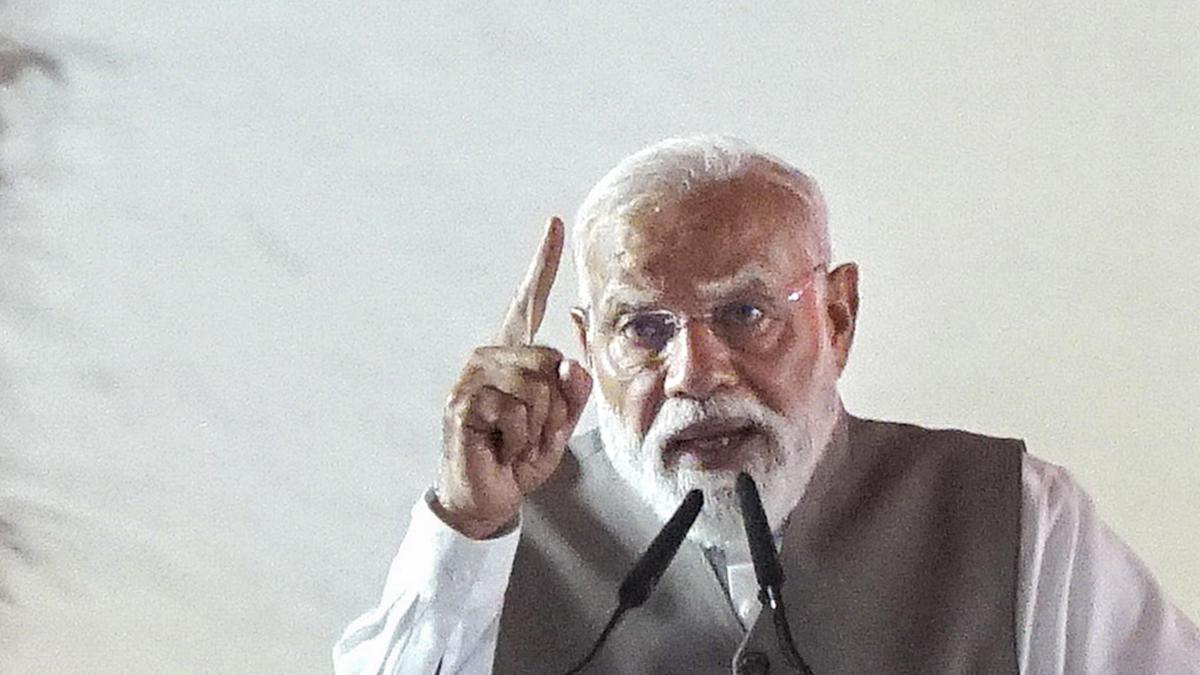
Modi Weaponises Women's Quota Against Opposition — But the Vote Tells a Different Story
PM Modi calls dynastic parties enemies of women's representation. The April 17 vote suggests his own bill was the obstacle.
Prime Minister Narendra Modi is framing India's opposition as pariwarvaadi — dynastic, family-run parties hostile to women's political advancement. The attack follows the defeat on April 17, 2026 of the Constitution (131st Amendment) Bill, which would have mandated 33% reservation for women in the Lok Sabha and state assemblies. 298 MPs voted for, 230 against — short of the two-thirds supermajority required. Modi's broadside lands in that political vacuum, targeting Congress, the Samajwadi Party, and regional blocs that voted no.
The framing is surgically designed. "Pariwarvaadi" is a direct jab at the Gandhi family's grip on Congress, the Yadav clans running SP and RJD, and the DMK's dynastic structure under M.K. Stalin. Linking those families to opposition to women's rights is potent electoral messaging — particularly ahead of state assembly elections where women voters are decisive.
The Delimitation Trap
But the opposition's counter-argument has structural weight. The government bundled the women's reservation amendment with two additional bills to expand the Lok Sabha from 543 to 850 seats via fresh delimitation — redrawing constituencies based on post-2011 population data. That package would transfer significant seat share from slower-growing southern and northeastern states toward the Hindi heartland — a demographic windfall for BJP's core geography.
Congress's K.C. Venugopal, the DMK, and CPI(M) didn't oppose the quota — they opposed the coupling. Frontline's analysis frames it plainly: the government used women's empowerment rhetoric to advance an electoral map redraw that would cement Hindi-belt dominance. The original Nari Shakti Vandan Adhiniyam, passed in September 2023, already enshrined 33% reservation — the new bill's only non-negotiable addition was delimitation.
Amit Shah defended bundling the three bills as technically inseparable. The opposition called it a constitutional sleight of hand. Both readings are politically convenient for their authors.
Who Holds Leverage
BJP controls the messaging cycle. The "pariwarvaadi vs. women" frame is simpler than the delimitation arithmetic, and it plays better in primetime. Modi is now positioned as the champion of women's representation blocked by elite dynasties — regardless of what actually killed the bill.
The opposition, particularly Congress and DMK, holds the procedural high ground but risks losing the optics war. Voting against a bill named for women's empowerment is a liability that requires sustained, technical counter-messaging — not their strongest register.
Regional parties like SP and BRS are caught between their dynastic branding problem and their genuine fear of delimitation shrinking state influence. Their voting calculus will shift with every poll.
The real loser, for now, is Indian women's representation itself: India ranks 148th globally in women's parliamentary representation, with women holding just 13.6% of Lok Sabha seats. The 2023 act remains unimplemented, and the 2026 bill is now dead.
What to Watch Next
The 2029 Lok Sabha election was the government's stated implementation target — that window is now at risk. Watch for whether Modi reintroduces a clean reservation bill decoupled from delimitation before the next assembly election cycle; that move would force the opposition into an indefensible corner. If he doesn't, the "pariwarvaadi" rhetoric reads as electoral cover rather than legislative intent.
The next pressure point: delimitation commission timelines and whether the government pursues that exercise independently. If it does, the bundling strategy will look even more deliberate in retrospect.
For more on India's shifting political landscape, see India and
International Affairs.
Discover more
India
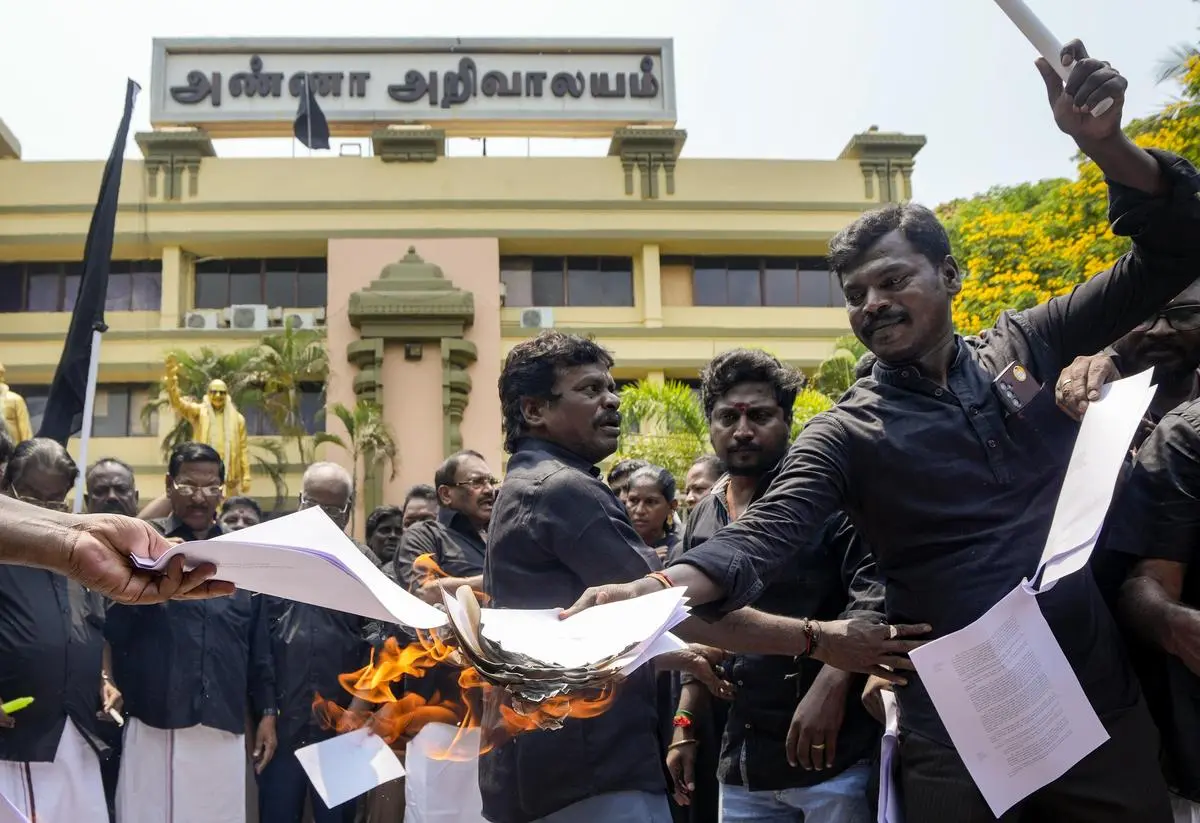
Women’s Reservation Bill 2026
The Constitution (131st Amendment) Bill, 2026 was defeated in Lok Sabha, revealing deeper political conflicts over women's reservation and delimitation.
India
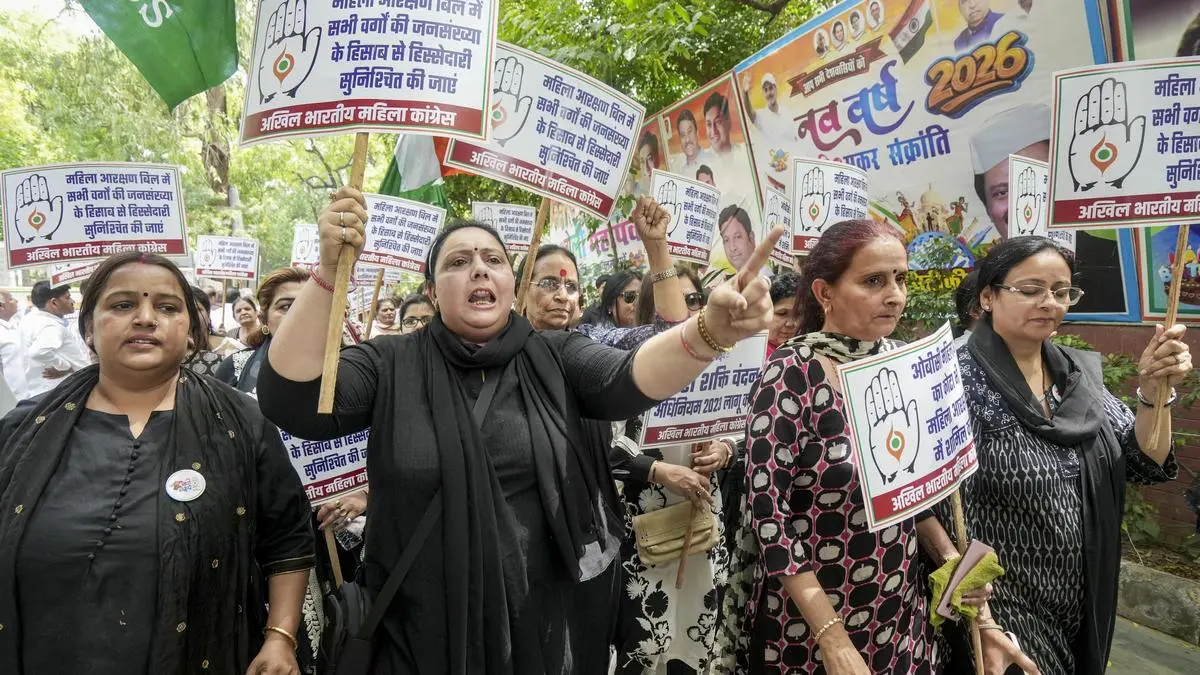
BJP's Misunderstanding of Women's Quota Needs
The BJP's linking of the Women Reservation Bill to delimitation risks delaying women's empowerment in India, misreading the aspirations of female voters.
India
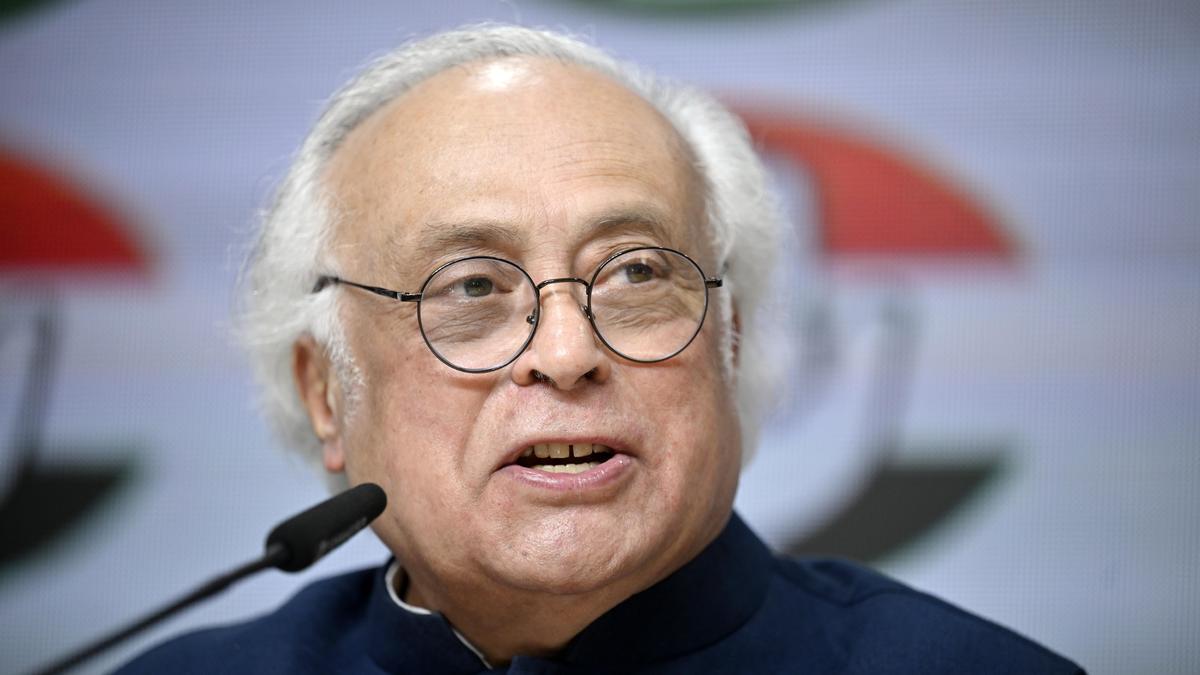
Congress Accuses Modi of Stalling Women's Law
Congress accuses Modi of stalling women's reservation law by linking it to delimitation, revealing a deeper electoral strategy.

Conflict & Security
Drone Warfare Killing Aid Workers at Unprec
Over 1,000 humanitarian workers killed in three years as cheap armed drones collapse legal protections. Gaza, Sudan, Ukraine, and DRC see deliberate targeting of aid convoys and hospitals with zero prosecutions.