Modi's Women's Reservation Tactic in Bengal
BJP targets women voters with new promises in West Bengal.
Model Diplomat3 min readWest Bengal
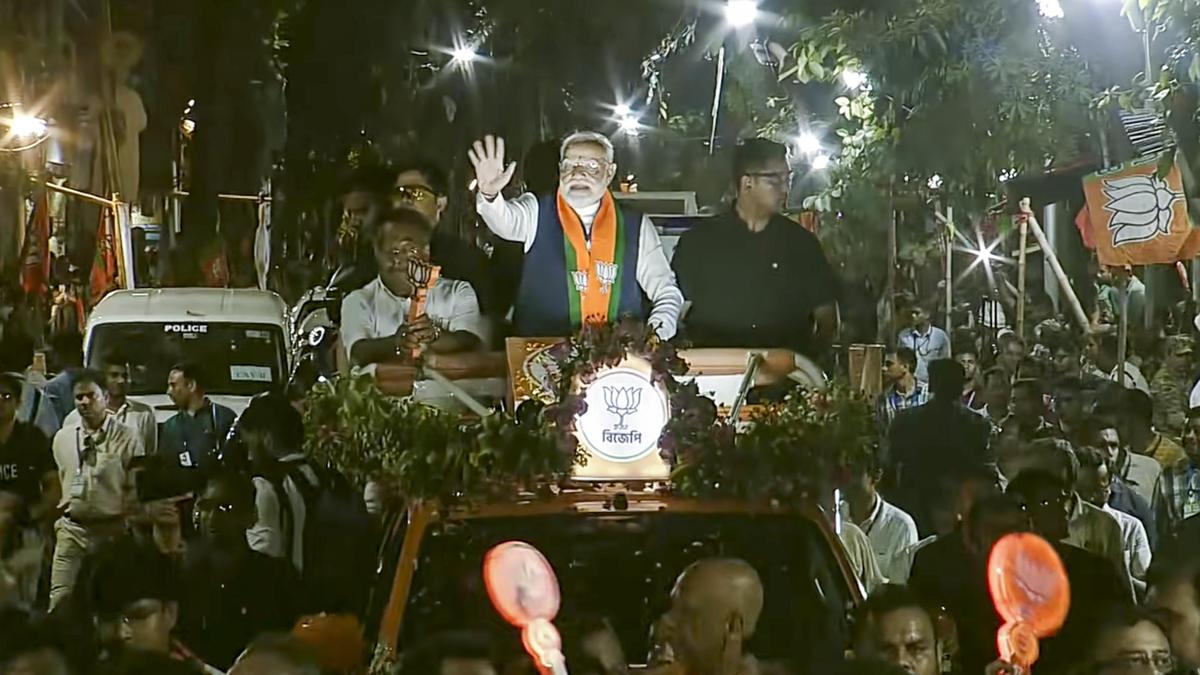
Modi's Women's Card in West Bengal: Smart Politics, Long Odds
BJP is weaponising a failed parliamentary bill to court 31 million female voters in West Bengal — but Mamata Banerjee's incumbency advantage runs deep.
Prime Minister Narendra Modi, campaigning in West Bengal ahead of the state's 2026 assembly elections, has promised 33% reservation for women in government jobs — and is simultaneously blaming the ruling Trinamool Congress for blocking the Constitution's 131st Amendment Bill, which would have reserved 33% of parliamentary and assembly seats for women. The dual move — promise and accusation — is the centrepiece of BJP's bid to unseat Chief Minister Mamata Banerjee after 14 years in power.
Turning a Defeat into a Weapon
The parliamentary bill failed to pass the Lok Sabha, but BJP's strategists have reframed that loss as a campaign asset: TMC's opposition becomes proof, in Modi's telling, that Banerjee "betrayed" West Bengal's women. At a Bishnupur rally in Bankura on April 19, Modi explicitly linked TMC's alleged collusion with Congress to the bill's defeat. The argument is designed for a state where women constitute over 31 million registered voters — a bloc that could decide the outcome in a closely fought contest.
BJP's Sankalpa Patra manifesto, released by Home Minister Amit Shah on April 10, layers on the economic appeal: doubling the state's existing women's cash transfer scheme from ₹1,500 to ₹3,000 per month for approximately 2.42 crore beneficiaries. The reservation pledge targets the aspiration vote; the cash transfer targets the survival vote. Both aim at the same demographic.
Who Gains, Who Loses
BJP gains a coherent narrative that ties national-level legislative failure to local governance failures — rare in Indian state-level politics, where such bridges are hard to build. The party has struggled to crack West Bengal despite strong Lok Sabha performances in 2019 and 2024; the women's empowerment frame offers a cross-caste, cross-community entry point.
Mamata Banerjee and TMC lose the rhetorical high ground on welfare, which has been the backbone of her political brand since 2011. Her own Lakshmir Bhandar scheme is the cash-transfer programme BJP is now promising to double — a pointed signal that BJP intends to fight Banerjee on her own terrain. Meanwhile, TMC's counter-argument — that 19 states and the Centre have conspired against Bengal — risks sounding defensive to swing voters.
Women voters are the contested prize, but the outcome is far from certain. Banerjee retains deep loyalty networks, particularly in rural Bengal, and TMC's on-the-ground organisational machine has no BJP equivalent in the state. Historical precedent is not encouraging for the opposition: no party has broken TMC's majority since 2011.
Results across the five states — Tamil Nadu, Kerala, West Bengal, Assam, and Puducherry — are due on May 4, 2026, with India's electoral landscape potentially reshaped by how these contests land.
What to Watch Next
May 4 is the decisive date. A BJP breakthrough in West Bengal — even crossing 120 seats — would validate the women's reservation strategy as a replicable playbook for future state contests. A TMC landslide, by contrast, would confirm that welfare incumbency beats aspirational promises, handing Banerjee a mandate that insulates her through the next Lok Sabha cycle. Watch the Bankura and Birbhum district results specifically — these swing belts are where Modi has concentrated his rally schedule and where the women's vote calculation will be tested most directly.
Sources: The Hindu – Modi Bishnupur rally |
The Straits Times – Women's Bill as campaign weapon |
The Hindu – BJP Manifesto
Discover more
India
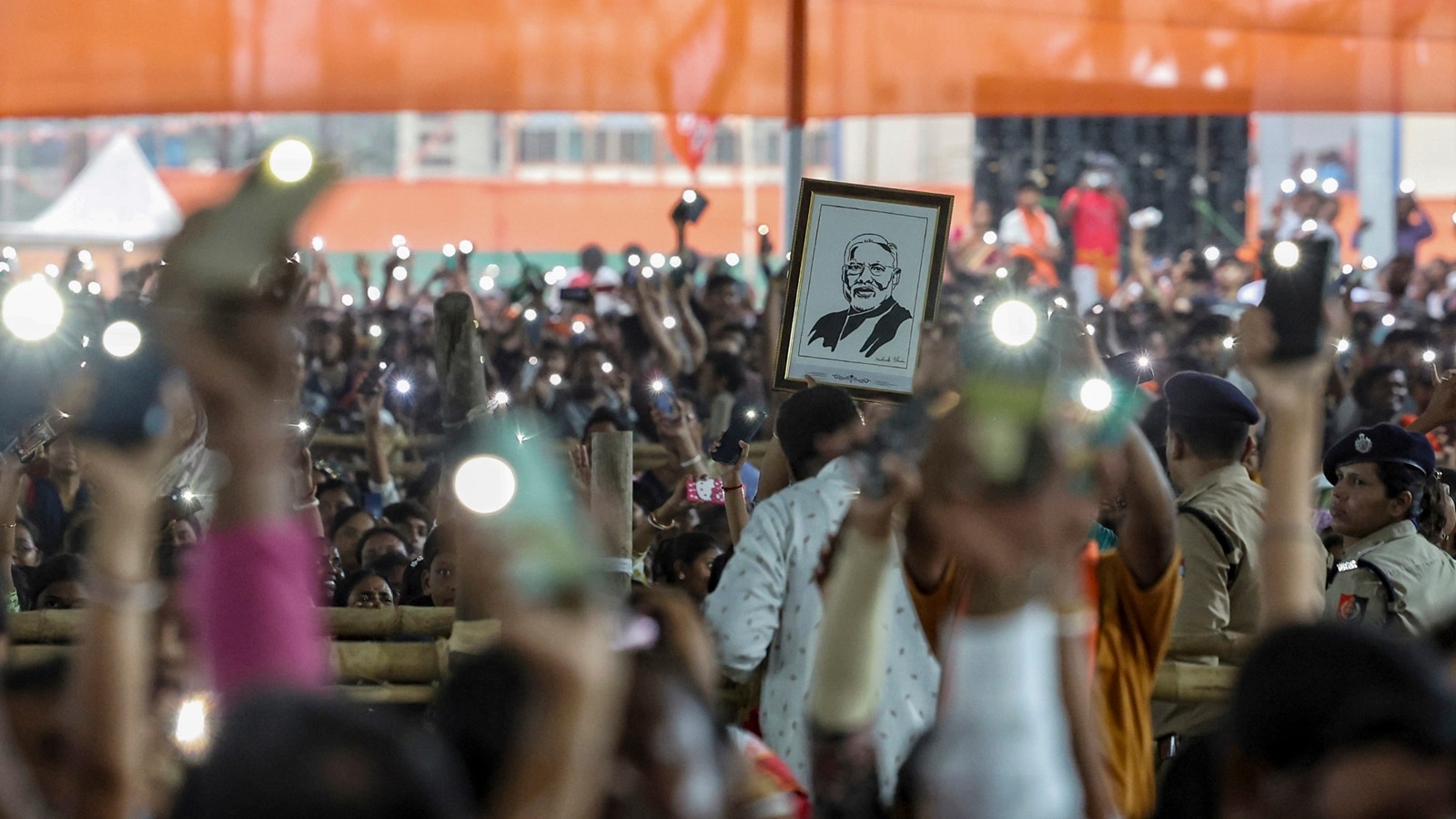
Modi's Women’s Convention in Varanasi
Modi's Varanasi rally frames women's reservation as a national mission, targeting the 2027 Uttar Pradesh elections with a strategic narrative.
India
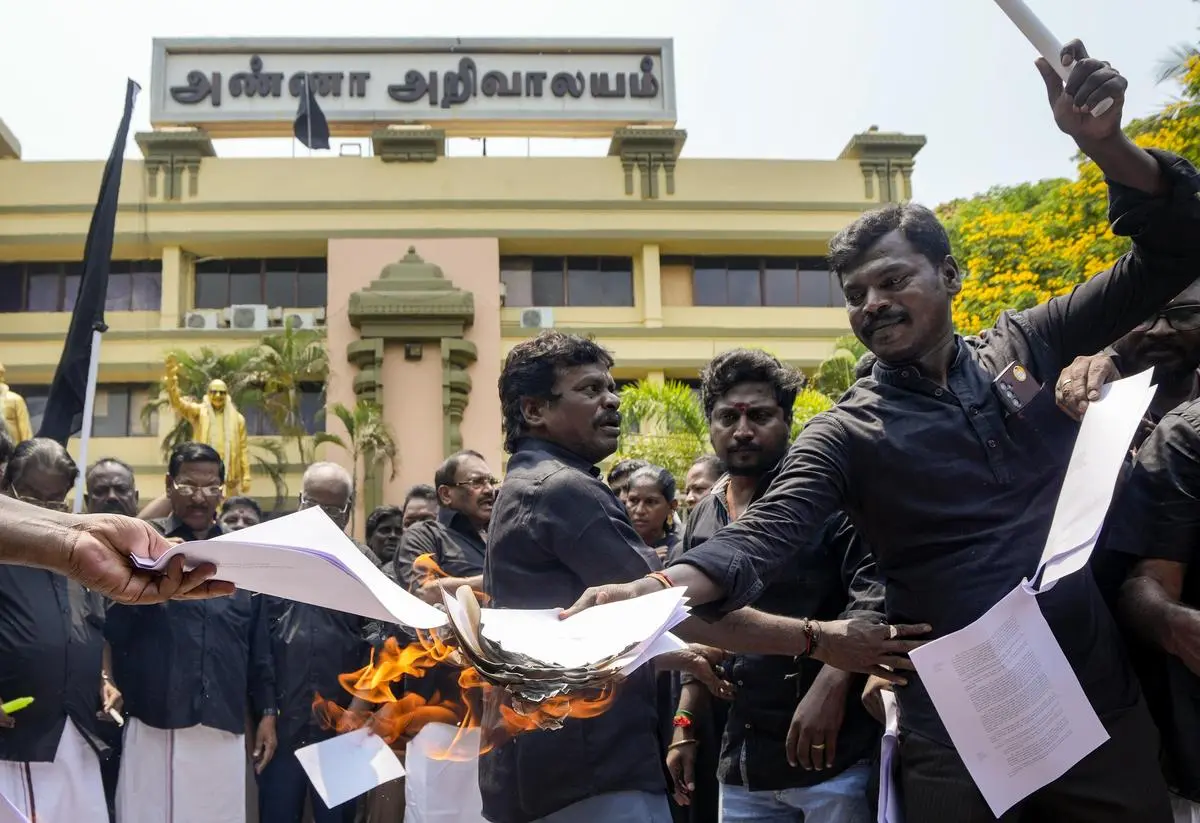
Women’s Reservation Bill 2026
The Constitution (131st Amendment) Bill, 2026 was defeated in Lok Sabha, revealing deeper political conflicts over women's reservation and delimitation.
India
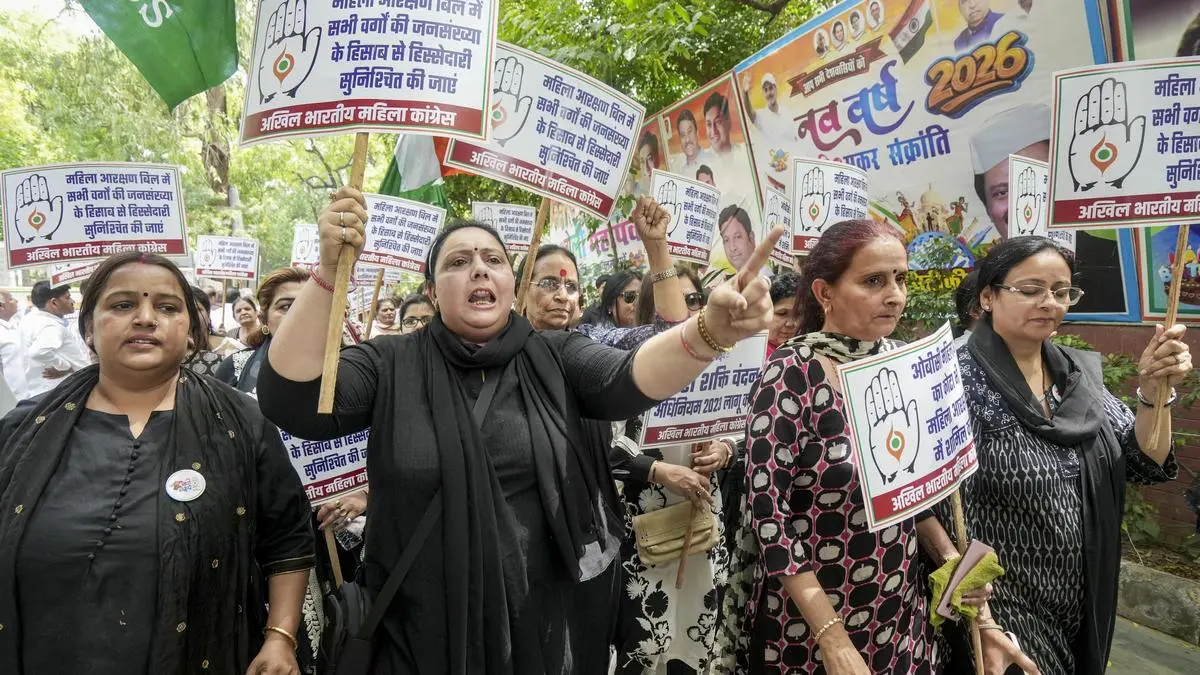
BJP's Misunderstanding of Women's Quota Needs
The BJP's linking of the Women Reservation Bill to delimitation risks delaying women's empowerment in India, misreading the aspirations of female voters.

Conflict & Security
Drone Warfare Killing Aid Workers at Unprec
Over 1,000 humanitarian workers killed in three years as cheap armed drones collapse legal protections. Gaza, Sudan, Ukraine, and DRC see deliberate targeting of aid convoys and hospitals with zero prosecutions.