Modi's Nari Shakti Gambit
Exploring Modi's framing of women's empowerment in politics.
Model Diplomat3 min readAsia

Modi's Nari Shakti Gambit: Women's Votes or Delimitation Cover?
Modi's Varanasi address frames dynastic rivals as enemies of women's empowerment — as a collapsed Women's Reservation Bill reveals the deeper stakes.
Prime Minister Narendra Modi, speaking at a women's conference in his Varanasi constituency, accused dynastic parties of fearing "Nari Shakti" — women's political power — positioning the BJP as the sole guarantor of female representation in India. The rhetoric lands amid a live parliamentary battle that is considerably less clean than Modi's framing suggests.
The Bill Behind the Slogan
The context is explosive. In April 2026, the BJP-led government tabled the 131st Constitution Amendment Bill — a fresh attempt to operationalize the 2023 Women's Reservation Act (Nari Shakti Vandan Adhiniyam), which mandates 33% reservation for women in the Lok Sabha and state assemblies. The government's version linked implementation to a delimitation exercise — redrawing constituency boundaries — rather than immediate rollout. The Opposition, led by Congress chief Mallikarjun Kharge, rejected the linkage outright, demanding immediate implementation without delimitation conditions.
The bill was defeated. Opposition parties — Congress, DMK, CPI(M), SP — argued the delimitation condition was a trap: one that would expand Lok Sabha seats and redistribute power toward Hindi-heartland constituencies, structurally benefiting the BJP at the expense of southern and smaller regional parties. Frontline's analysis frames the entire exercise as political consolidation dressed as gender equity.
Who Holds Leverage Here
Modi holds the messaging high ground but lost the legislative round. The Varanasi address is a pivot: by framing the Opposition's opposition as fear of women's power rather than a dispute over delimitation arithmetic, the BJP converts a parliamentary defeat into a campaign asset. The "dynastic parties" label targets Congress (Gandhi family), SP (Yadav family), and DMK (Stalin family) simultaneously — a single phrase that does heavy electoral lifting across UP, Tamil Nadu, and Maharashtra.
The Opposition's counter-position is structurally awkward. Having voted against a Women's Reservation Bill — whatever the rationale — parties like Congress and SP face a difficult message in constituencies with large female voter blocs. Telangana CM Revanth Reddy's counter-argument — that the bill threatened Dalit and tribal reservations — adds a second front but complicates the optics further.
The real beneficiary of prolonged deadlock: BJP's electoral machinery, which can run on women's empowerment themes through the next state election cycle without being accountable for delivery. The real loser: the 33% target itself, which recedes further from implementation with every failed session.
What to Watch Next
Three signals matter now. First, whether the INDIA bloc formally writes to Modi demanding delimitation-free implementation — that letter would force the government to either concede or publicly refuse. Second, state assembly elections in the coming cycle: female voter turnout and party affiliation data will reveal whether Modi's framing is landing. Third, watch India's political trajectory into the next Parliament session — if the BJP reintroduces the bill without the delimitation clause, it signals electoral panic; if it doesn't, the slogan was always the point.
The Varanasi speech wasn't a policy announcement. It was a campaign opening.
Discover more
India
Women’s Reservation Bill 2026
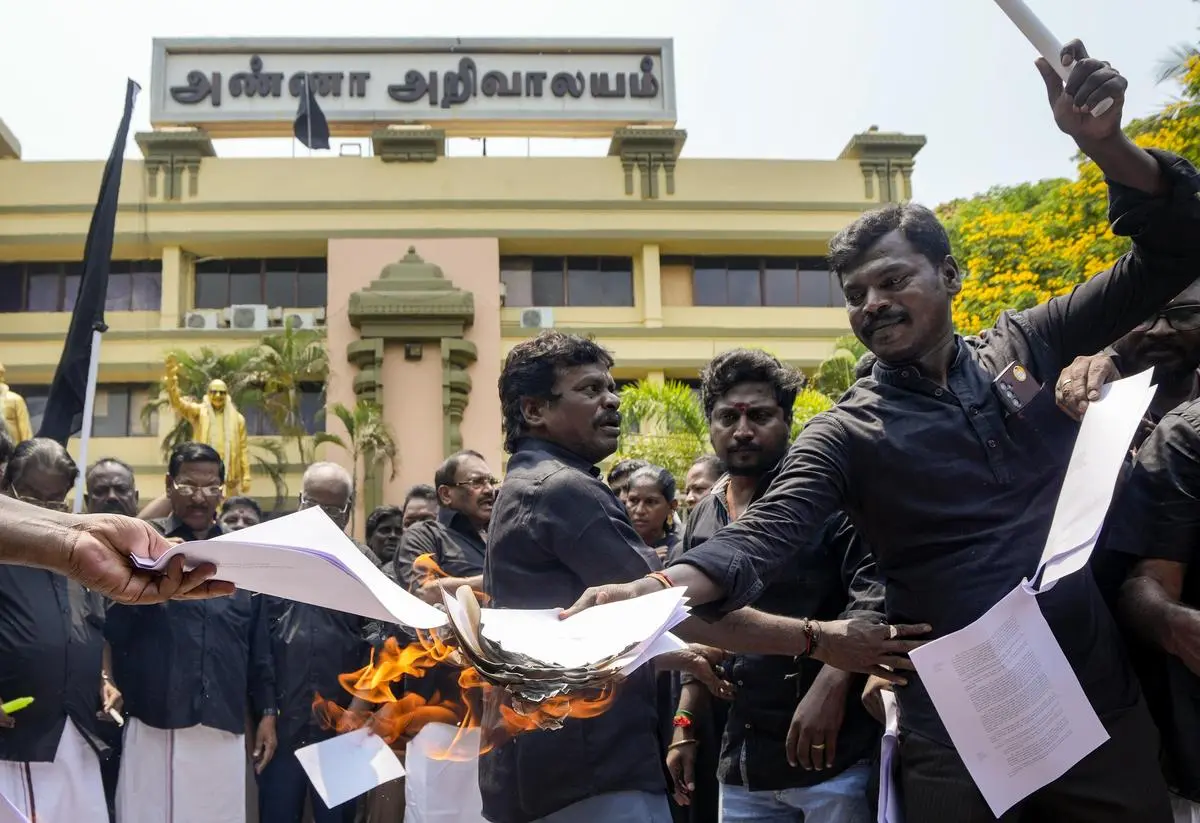
The Constitution (131st Amendment) Bill, 2026 was defeated in Lok Sabha, revealing deeper political conflicts over women's reservation and delimitation.
India
Modi's Women’s Convention in Varanasi
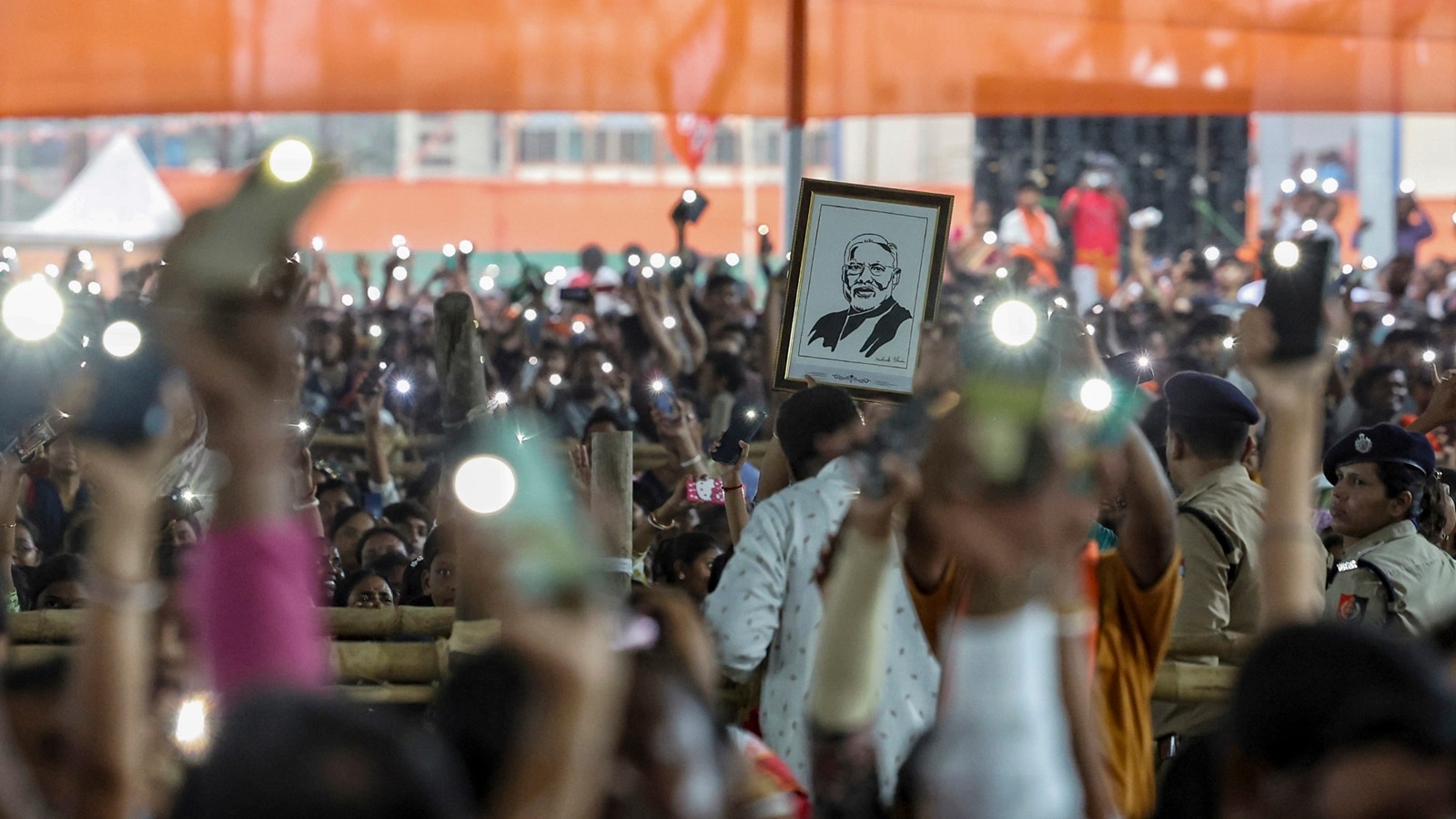
Modi's Varanasi rally frames women's reservation as a national mission, targeting the 2027 Uttar Pradesh elections with a strategic narrative.
India
BJP's Misunderstanding of Women's Quota Needs
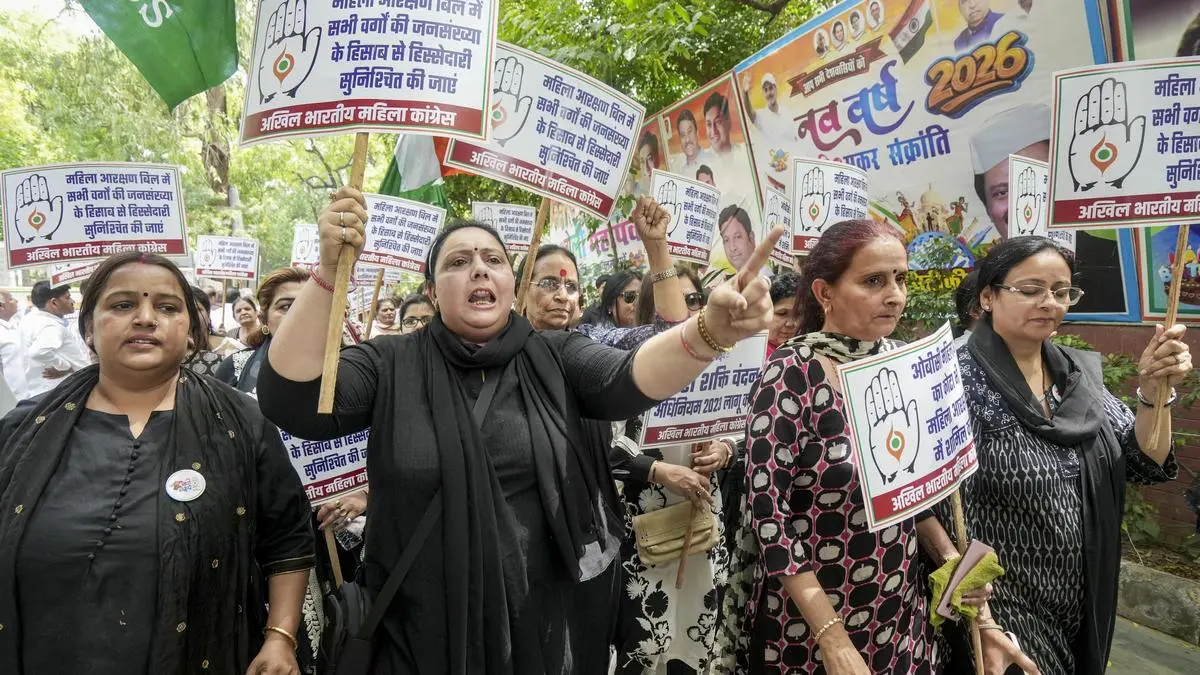
The BJP's linking of the Women Reservation Bill to delimitation risks delaying women's empowerment in India, misreading the aspirations of female voters.

Conflict & Security
Drone Warfare Killing Aid Workers at Unprec
Over 1,000 humanitarian workers killed in three years as cheap armed drones collapse legal protections. Gaza, Sudan, Ukraine, and DRC see deliberate targeting of aid convoys and hospitals with zero prosecutions.