Modi's Job Guarantees Target Bengal Youth
BJP's strategy to win over urban youth in West Bengal
Model Diplomat3 min readWest Bengal

Modi's Bengal Job Pledges Signal BJP's Last Push for a 14-Year Drought to End
With Phase 2 covering 142 seats around Kolkata on April 29, Modi's five employment guarantees are BJP's bid to crack TMC's urban stronghold.
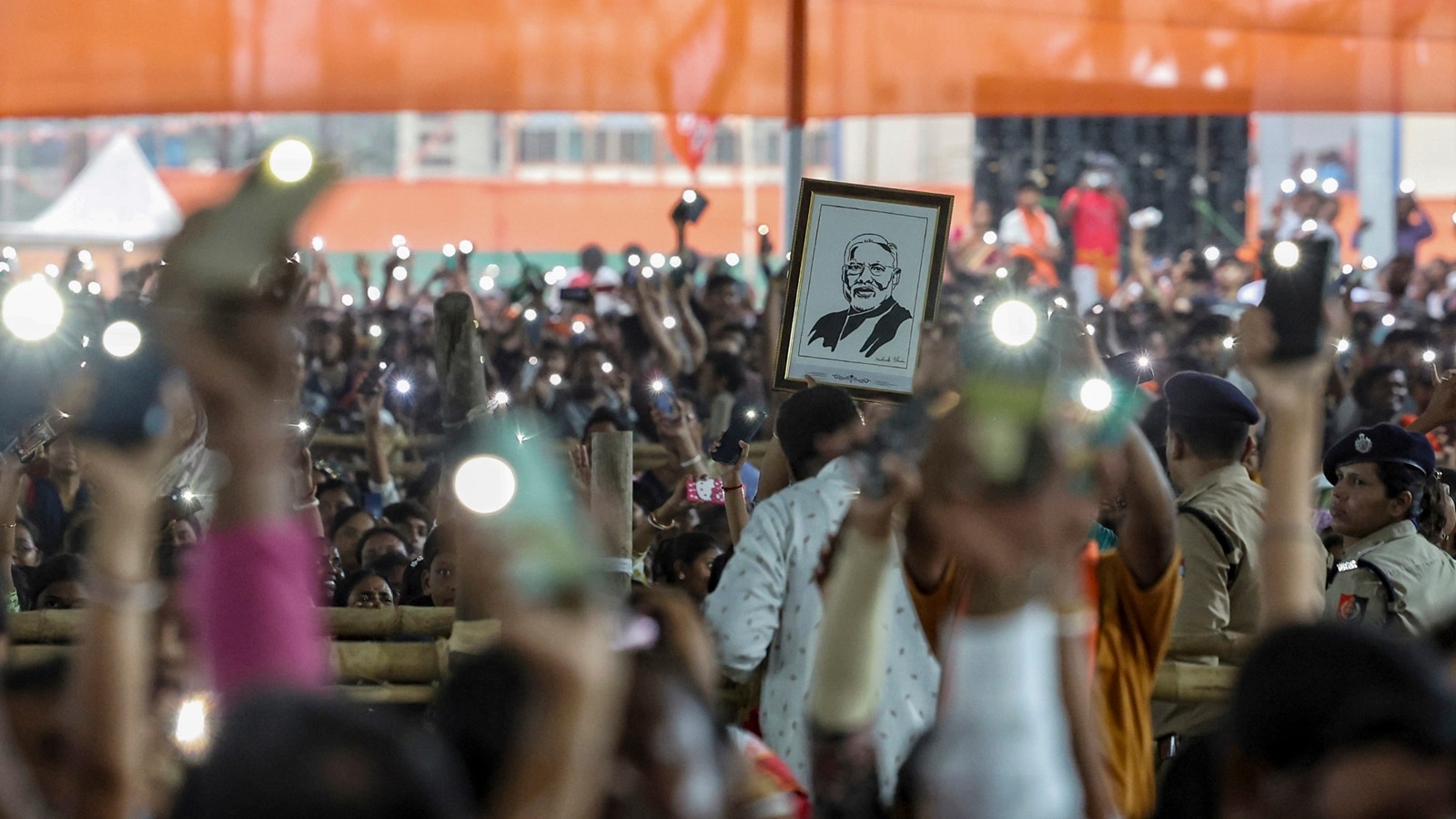
Prime Minister Narendra Modi unveiled five employment guarantees for West Bengal voters ahead of Phase 2 polling on April 29 — a targeted pitch to youth unemployment in a state where Mamata Banerjee's TMC has held power since 2011. The pledges: timely completion of government job recruitment, implementation of the 7th Pay Commission, a ₹3,000 monthly allowance for unemployed youth, a dedicated Yuva Shakti Card, and a commitment to curb out-migration. Phase 2 covers 142 constituencies across seven South Bengal districts including Kolkata, where approximately 3.21 crore voters will decide the fate of 1,448 candidates. Results drop on May 4.
Why Now, Why These Promises
Youth unemployment is BJP's sharpest weapon in this cycle. The TMC's 15-year tenure has been repeatedly hit by corruption scandals in teacher and government job recruitment — allegations Modi has amplified at every rally, including his April 19 address in Medinipur where he accused TMC of earning a "PhD in looting" on recruitment schemes. By centering guarantees rather than aspirational targets, the BJP is structurally attempting to reframe the election as a referendum on TMC's administrative record rather than Mamata Banerjee's identity politics.
The ₹3,000 monthly unemployment allowance — higher than TMC's own ₹1,500 pledge and Congress's ₹2,000 offer — is a deliberate outbidding maneuver. BJP knows the comparison is the message. Phase 1 on April 23 recorded a striking 92.03% turnout across 152 constituencies, suggesting an energized electorate that BJP strategists will read as anti-incumbency. Phase 2's urban Kolkata belt is the harder terrain: it is culturally resistant to BJP's Hindu-nationalist messaging, making economic pledges the more viable entry point. Explore India's political dynamics.
The Yuva Shakti Card launch — fronted by Olympians Leander Paes and Vijender Singh in Kolkata on April 16 — signals a deliberate softening of BJP's image in the city, pairing celebrity credibility with a policy instrument that can be tracked and held accountable post-election.
Who Gains, Who Loses
BJP gains if Phase 2's urban youth translate employment anxiety into votes — this is the demographic that has watched job recruitment scandals unfold in courts in real time. Mamata Banerjee loses if the guarantees shift the conversation from state delivery to central government capacity; TMC's counter-argument that Bengal's development record speaks for itself is weakened when recruitment timelines are legally challenged. Left Front and Congress are squeezed; their combined unemployment pledge architecture is now structurally outbid, making them vote-splitters rather than contenders.
The structural risk for BJP: promises made days before polling carry implementation skepticism. TMC will hammer the point that the Centre has run Bengal's administration since President's Rule was last imposed — and still hasn't delivered on similar pledges elsewhere. Follow the broader international election cycle here.
What to Watch
May 4 is the count date — and the only number that matters. Watch whether BJP clears the 148-seat majority threshold in the 294-seat assembly. A BJP win resets Delhi's political calculus heading into 2029 national positioning. A TMC retention — even a narrow one — cements Banerjee's status as the most durable regional counterweight to Modi's BJP. Phase 2 turnout figures on April 29 evening will be the first real signal of which way the urban vote broke.
Sources: The Hindu — WB Election Manifestos |
The Hindu — Phase 2 Schedule |
The Hindu — Phase 1 Turnout
Discover more
India
Modi's Women’s Convention in Varanasi
Modi's Varanasi rally frames women's reservation as a national mission, targeting the 2027 Uttar Pradesh elections with a strategic narrative.
India
CPI MP Accuses PM Modi of MCC Violations
CPI MP P Sandosh Kumar alleges PM Modi breached the Model Code of Conduct in Tamil Nadu, raising election integrity concerns before the 2026 Assembly polls.

Conflict & Security
Drone Warfare Killing Aid Workers at Unprec
Over 1,000 humanitarian workers killed in three years as cheap armed drones collapse legal protections. Gaza, Sudan, Ukraine, and DRC see deliberate targeting of aid convoys and hospitals with zero prosecutions.

Global
World Normalises Taliban as Afghan Women Eras
UN data shows Afghan women erased from public life as Russia recognises the Taliban, EU hosts officials in Brussels, and ICC warrants for gender persecution go unenforced.