Modi's Women Quota Amid Delimitation Debate
PM Modi emphasizes women's welfare in local elections debate.
Model Diplomat3 min readIndia

PM Modi's Appeal on Women Quota Amid Delimitation Debate in India
Prime Minister Modi frames women's quota vote as a welfare issue, amid opposition pushback on delimitation and political bias.
Prime Minister Narendra Modi recently urged Indian voters to weigh women’s welfare when considering the proposed reservation of seats for women in local bodies. Speaking to audiences across states preparing for panchayat elections, Modi framed the quota as an appeal to voters’ mothers and families, positioning it as a moral and social imperative rather than mere political maneuvering. This comes as the opposition Congress-led coalition accuses the ruling BJP government of using the women’s quota and the related delimitation exercise as tools to reshape electoral demographics in ways that benefit the BJP.
Delimitation: The Underlying Context
The delimitation process, which redraws constituency boundaries and can alter electoral rolls, is a highly sensitive and politically charged issue in India. While women’s quota discussions focus on social justice and representation, opposition parties including Congress argue the BJP is weaponizing delimitation to consolidate power in certain states, particularly those with BJP strongholds or mixed populations vulnerable to demographic shifts.
The women's reservation aims to reserve one-third of seats in local self-government institutions for women—a progressive stance hailed in principle nationwide. However, the delimitation controversy fuels accusations that the BJP aims to manipulate boundaries to dilute opposition votes or disproportionately benefit sections aligned with them.
This charge taps into a longer history of delimitation exercises triggering political battles in India, notably in states like Jammu & Kashmir, Assam, and Maharashtra. Critics fear the current round of delimitation may similarly skew political representation rather than merely enhance women’s political empowerment.
Why Modi’s Framing Matters
Modi’s appeal to voters to think of women’s welfare channels a classic political strategy of invoking familial bonds and emotional imagery—mothers, sisters, daughters—as a unifying theme beyond party lines. It attempts to blunt opposition narratives painting the women’s quota as a disguised power grab. By appealing directly to grassroots voters rather than political elites, Modi seeks to solidify the BJP’s image as a champion of social reforms and gender inclusion.
This framing also complicates the opposition’s messaging. Opponents must criticize delimitation without appearing to oppose women’s representation itself, which is broadly popular. Modi’s emotionally resonant framing effectively shields the women’s quota from simple partisan dismissal.
What to Watch Next
The panchayat elections where this debate unfolds will be closely watched for shifts in voter behavior—whether Modi’s moral appeal translates into electoral gains amid growing skepticism about delimitation fairness. The key will be if opposition parties can untangle the delimitation controversy from women’s quota support enough to sway voters.
In parallel, how the Election Commission manages delimitation and ensures transparency will be critical to maintaining legitimacy. Any perception of manipulation risks undermining democratic faith in local governance structures.
For India’s broader political landscape, this episode highlights the delicate balance between progressive reforms and electoral engineering accusations—a dynamic likely to intensify in upcoming state and national elections.
To understand this further, see our profiles on India and
Global Politics.
Sources:
Discover more
India
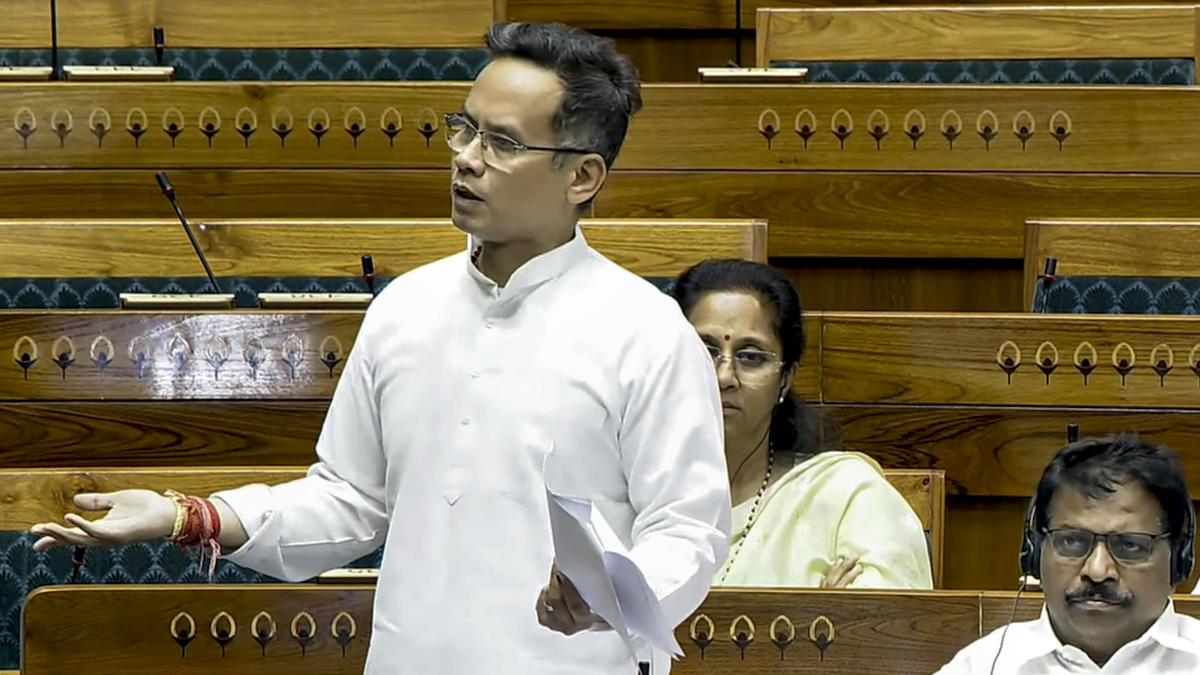
Congress: Modi's Delimitation Manipulation
Congress accused the Modi government of using delimitation to consolidate power in Jammu and Kashmir, urging it be separated from the women's reservation bill.
India
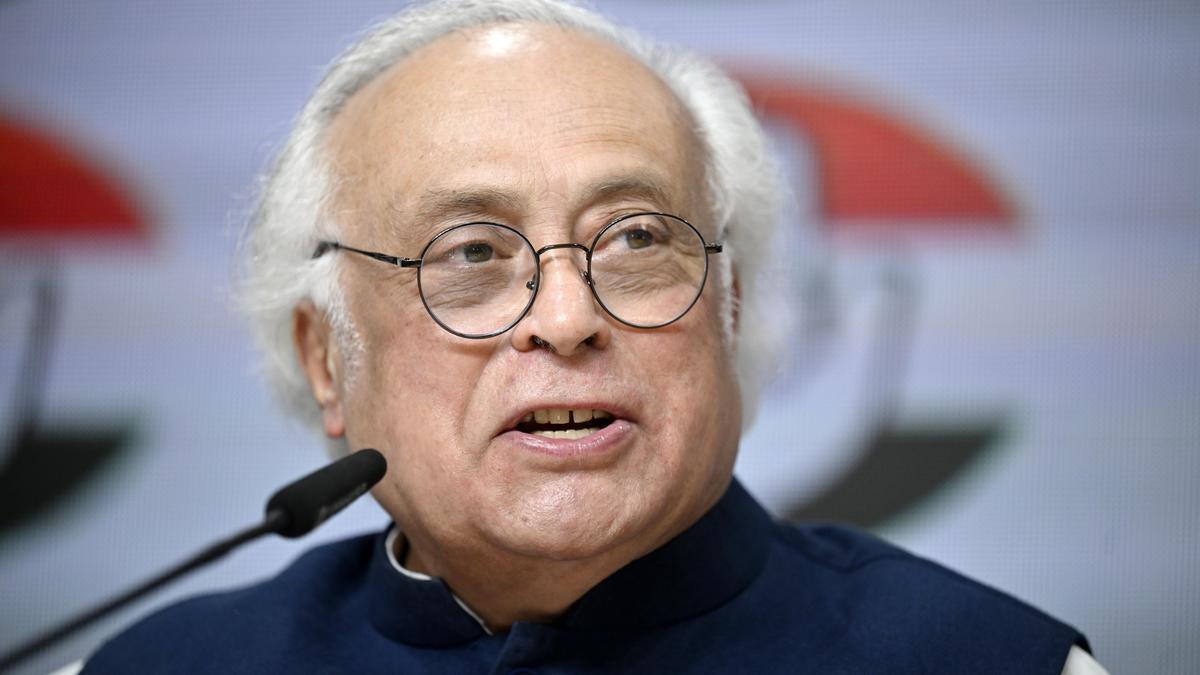
Congress Accuses Modi of Delimitation Deceit
Congress accuses Modi's government of deceit over delimitation, charging it skips a caste census and reshapes political dynamics to its favor before elections.
India
Delimitation in India
India's delimitation exposes a deepening struggle between federalism and equal voting power under Modi's centralizing politics and shifting seat allocation.

Conflict & Security
Drone Warfare Killing Aid Workers at Unprec
Over 1,000 humanitarian workers killed in three years as cheap armed drones collapse legal protections. Gaza, Sudan, Ukraine, and DRC see deliberate targeting of aid convoys and hospitals with zero prosecutions.