Modi’s Gujarat Tour Turns Somnath Into a Power Show
The May 11 visit is less a routine temple stop than a state-managed display of political reach, with Somnath, Vadodara and BJP cadres all being put on stage.
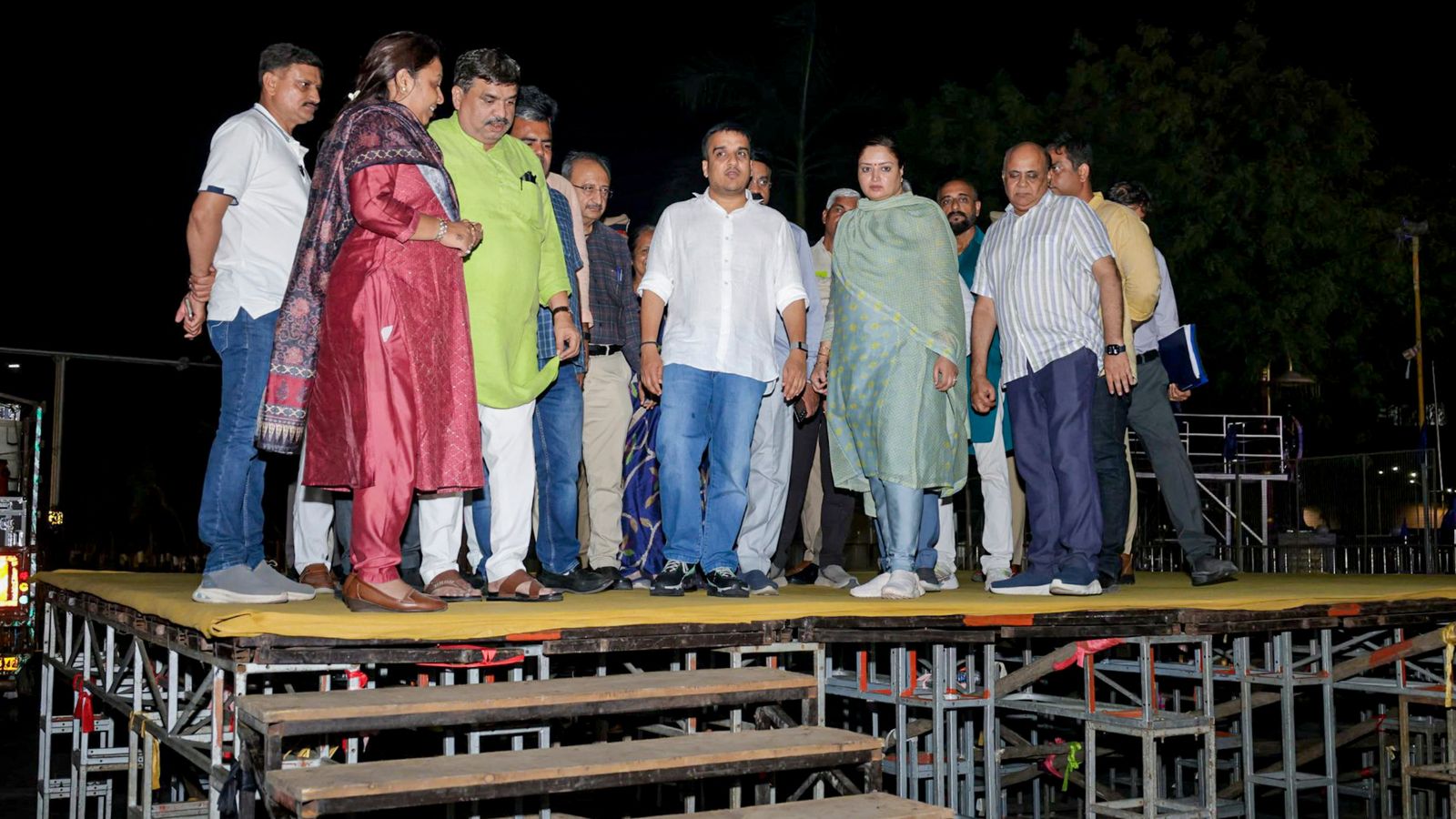
Prime Minister Narendra Modi will use a two-city Gujarat visit on May 11 to mix temple ritual, mass mobilisation and community signalling, with state officials and BJP leaders preparing roadshows, air displays and large public gatherings in Somnath and Vadodara, according to  The Indian Express and
  The Economic Times. The power dynamic is straightforward: the Gujarat government is converting the visit into a high-visibility political asset, not just a religious one.
Somnath is the core message
Somnath is the political centrepiece because it lets Modi tie his personal brand to a restored national-symbol shrine and to the BJP’s preferred civilisational narrative. The visit will mark the 75th anniversary of the restored temple’s inauguration, and Modi himself previewed the trip in an op-ed and social-media post, framing Somnath as a story of “ruin to renewal,” according to The Economic Times.  NDTV reported that the programme includes a roadshow, Vedic rituals, a public address and an Indian Air Force Suryakiran aerobatic display over the temple.
That matters because Somnath is not being treated as a private religious stop. It is being staged as a state-backed mass event with symbolic layering: temple ritual, military spectacle, and carefully choreographed public participation. For Modi, that creates two benefits at once. First, it reinforces his standing as the BJP’s most effective political communicator. Second, it keeps Gujarat — still his home base — locked into a narrative of continuity between local development, Hindu symbolism and national power.
Vadodara is about social coalition-building
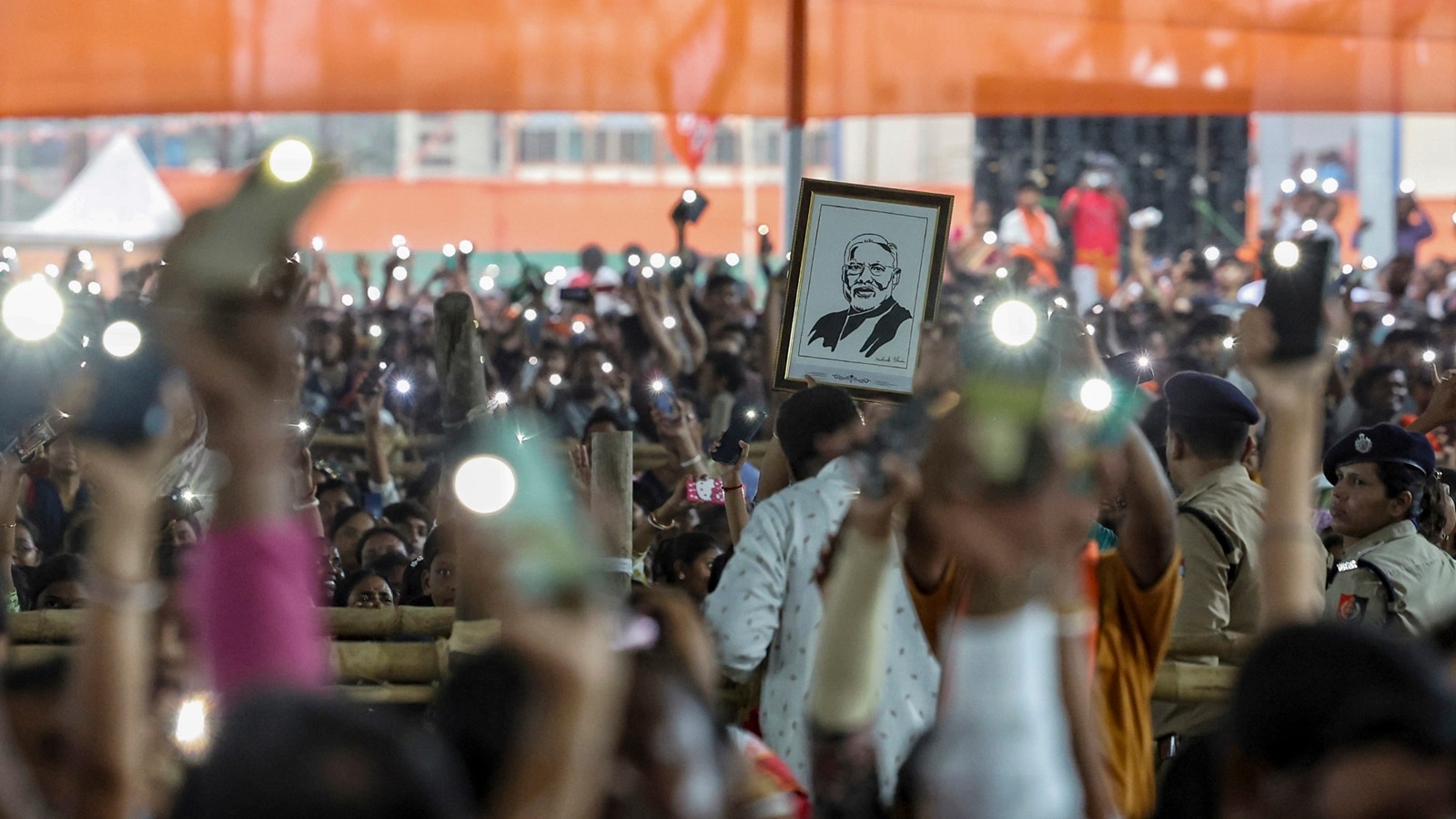
Vadodara adds a different function. There, Modi is scheduled to inaugurate the Sardardham-3 complex and then hold a 1.5-km roadshow, with officials expecting more than 25,000 people and BJP organisers highlighting Bengali cultural participation, according to The Indian Express and  DeshGujarat.
The political utility here is narrower but important. Vadodara is being used to show that the BJP still has the organisational machinery to mobilise urban crowds, diaspora-style community blocs and caste-linked institutions around the prime minister. The Sardardham event also keeps the Patidar network inside the BJP’s embrace. That is the real audience: not the crowd on the street, but the local elites, trustees and community leaders who validate the visit by turning out for it.
What to watch next
The immediate test is turnout and visual control on May 11. If the roadshows are as dense as organisers claim, the BJP will have fresh material for its national messaging. If crowds are thinner than projected, the optics will matter less than the effort to project momentum.
The next decision point is how aggressively the Gujarat government keeps blending temple symbolism, community mobilisation and electoral branding in the months ahead. This visit suggests the model is working for the BJP: high-volume spectacle, state coordination and one dominant face at the centre. For wider context, see  India and Global Politics.