Amit Shah's Message on Executive-Judiciary T
Shah emphasizes institutional balance at book launch event.
Model Diplomat3 min readAsia
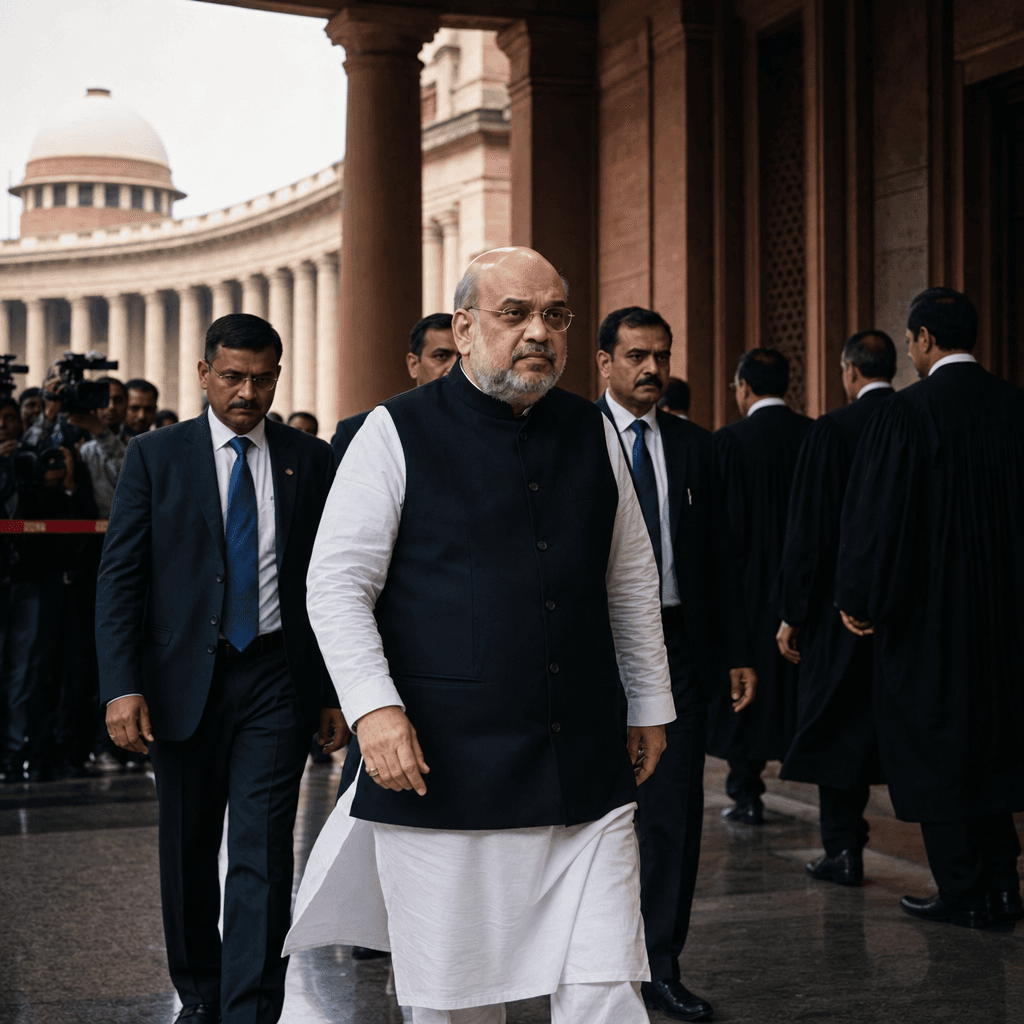
Amit Shah’s court-friendly message is a political signal
At a book launch in New Delhi, Shah cast democracy as institutional balance, not confrontation — a calibrated line amid renewed executive-judiciary friction.
Union Home Minister Amit Shah used the launch of Solicitor General Tushar Mehta’s books in New Delhi on Sunday to argue that the strength of Indian democracy lies in “institutional balance” and “mutual respect,” not confrontation between the executive and the judiciary, according to The Indian Express. That is the core political message: Shah is trying to define the executive as a constitutional partner, not a rival, to the courts.
What Shah is saying — and why it matters
Shah’s formulation was careful. He said the Constitution created institutions “not to oppose one another, but to maintain balance among themselves,” and added that the executive takes decisions while the judiciary conducts constitutional review, The Indian Express. He also said the country’s 76-year constitutional journey has preserved dialogue, propriety and balance, and that citizens trust the courts because “the doors of justice remain open,”
The Indian Express.
That language matters because it is not neutral ceremonial praise. Shah is signaling to judges, lawyers and the wider political class that the government wants the constitutional conversation framed around coordination and deference, not institutional combat. That benefits the Centre most: it wants room to act on policy and politics while blunting criticism that it is trying to dominate the courts.
The setting was also deliberate. The event in New Delhi was attended by Chief Justice of India Surya Kant and Attorney General R. Venkataramani, according to The Indian Express and
The Hindu. That gave Shah’s remarks institutional weight, not just partisan reach. The message was delivered inside the legal establishment, not from a political podium.
The real subtext: a response to strain
The subtext is the current strain between the executive and the judiciary. In recent months, the public debate has repeatedly turned on who gets to define constitutional propriety, and how far political leaders can go in criticizing judicial decisions. Shah’s pitch is an attempt to reclaim the vocabulary of balance before it is used against the government.
There is also a tactical advantage in speaking through Tushar Mehta’s book launch. The books are about the legal profession and courtroom life, and The Hindu noted that the event was framed around the judiciary’s culture and the humour of the bar. That allowed Shah to sound reflective rather than combative, while still making a constitutional point.
For the judiciary, the gain is limited but real: Shah publicly affirmed that courts remain the venue where the weak can seek justice. For opposition parties and judicial critics, the risk is that this language normalizes a more managed relationship in which the executive sets the tone and the courts are expected to absorb it.
What to watch next
Watch for whether this stays a one-off ceremonial line or becomes part of a broader government narrative on the courts. The next test is whether Shah or other senior ministers repeat this language in a more adversarial setting — especially if a major constitutional case, appointment dispute, or ruling draws a sharp executive response. If that happens, Sunday’s message will look less like reassurance and more like positioning.
Discover more
India
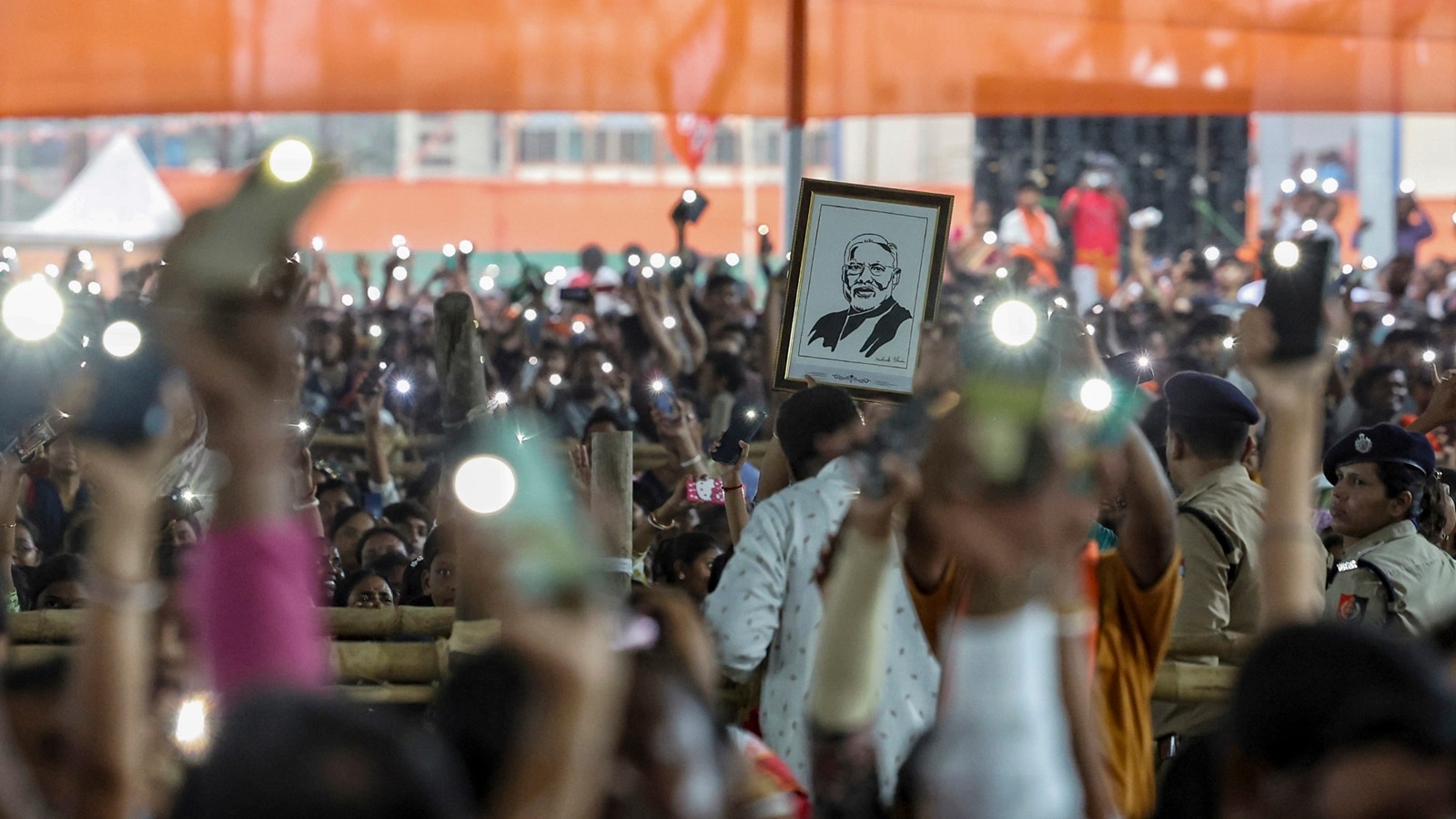
Modi's Women’s Convention in Varanasi
Modi's Varanasi rally frames women's reservation as a national mission, targeting the 2027 Uttar Pradesh elections with a strategic narrative.
India
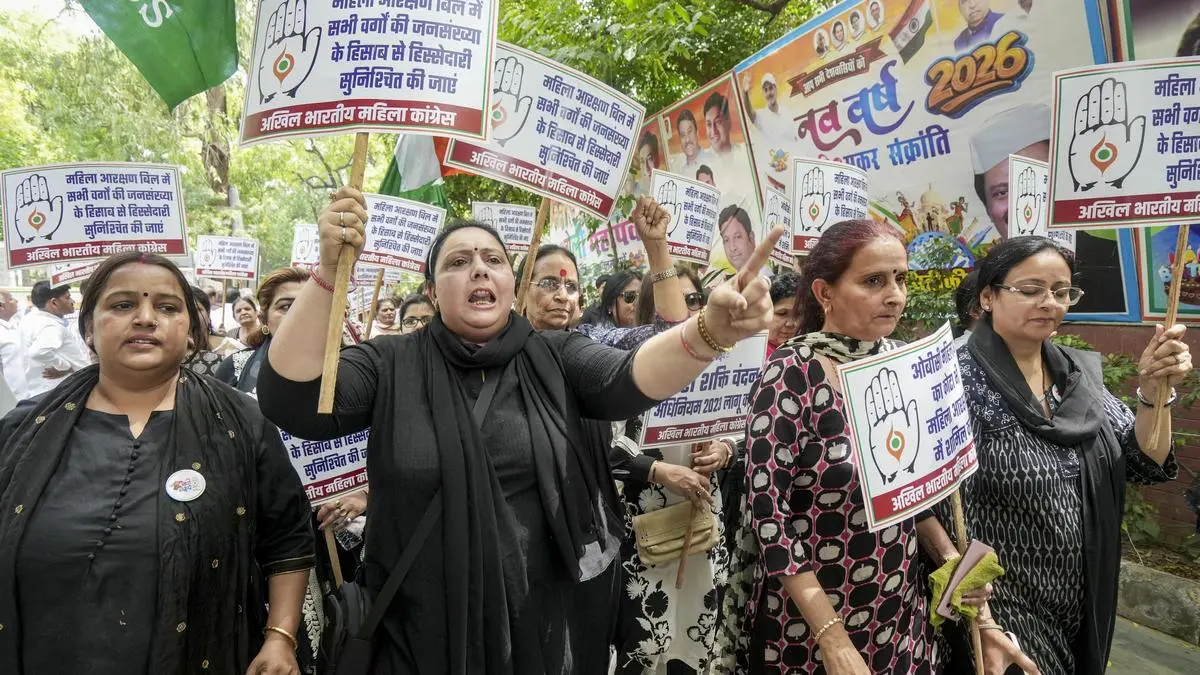
BJP's Misunderstanding of Women's Quota Needs
The BJP's linking of the Women Reservation Bill to delimitation risks delaying women's empowerment in India, misreading the aspirations of female voters.

Conflict & Security
Drone Warfare Killing Aid Workers at Unprec
Over 1,000 humanitarian workers killed in three years as cheap armed drones collapse legal protections. Gaza, Sudan, Ukraine, and DRC see deliberate targeting of aid convoys and hospitals with zero prosecutions.

Global
World Normalises Taliban as Afghan Women Eras
UN data shows Afghan women erased from public life as Russia recognises the Taliban, EU hosts officials in Brussels, and ICC warrants for gender persecution go unenforced.