Modi’s Fuel and Gold Appeal Is Crisis Management
India’s prime minister is asking households to absorb external shocks by cutting fuel use, skipping gold, and reviving work-from-home habits.
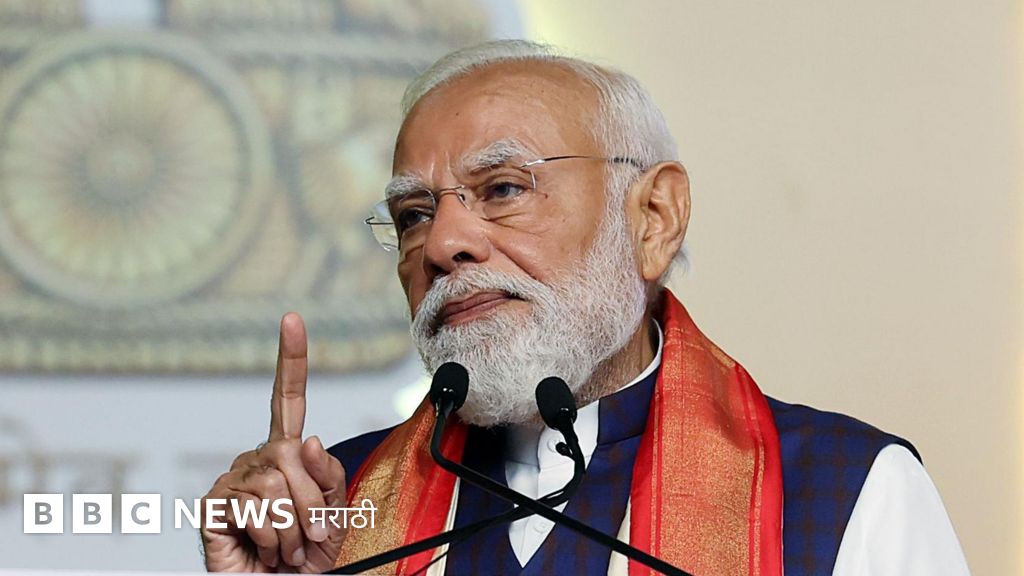
Narendra Modi has turned a wartime supply squeeze into a domestic austerity appeal. Speaking in Hyderabad, he urged Indians to use petrol and diesel sparingly, rely on metro systems where available, shift meetings online, and avoid buying gold for a year, arguing that India must conserve foreign exchange as global disruptions push up energy and import bills, according to  BBC News Marathi,
  ABP Marathi and
  Moneycontrol Hindi.
What Modi is really asking for
This is not a formal rationing plan; it is a political signal that the burden of external volatility should be shared by consumers. Modi’s logic, as reported by BBC News Marathi, is simple: India imports most of the petroleum it burns, gold purchases drain foreign exchange, and unnecessary travel magnifies exposure to shocks. Moneycontrol Hindi adds that he explicitly linked the appeal to West Asia conflict and supply-chain disruptions that have lifted fuel and fertilizer costs.
The power dynamic matters. Modi is shifting adjustment costs onto households and firms before the state is forced into heavier intervention. That is cheaper than price controls or import restrictions, and it lets New Delhi frame conservation as patriotism rather than sacrifice. The message also fits his broader governance style: ask for behavioral compliance first, then make the crisis look manageable.
Why gold is in the same sentence as diesel
Gold looks like a luxury item, but in India it is also a macroeconomic pressure point. Buying gold means importing a dollar-priced asset at scale, and that hits the current account when the rupee is already under pressure. Modi’s request to avoid gold purchases for a year, reported by both BBC News Marathi and Moneycontrol Hindi, is therefore less about household thrift than about defending reserves.
That is the real beneficiary here: the finance ministry and the RBI. If consumers slow discretionary imports, the government gets more room to absorb higher crude prices without a sharper currency or inflation shock. The losers are obvious too: fuel retailers, gold merchants, travel-heavy service businesses, and any household that depends on private transport rather than metro access. For a wider read on the domestic and geopolitical backdrop, see  India and Global Politics.
What to watch next
The key test is whether this stays a speech or becomes policy. Watch for any follow-on from the petroleum and finance ministries on fuel conservation, import smoothing, or reserve management, especially if oil prices spike again or West Asia tensions worsen. Also watch whether BJP-run states start echoing the work-from-home line in public offices and whether business groups treat it as guidance or just rhetoric. If the government repeats this message in the coming weeks, it will mean New Delhi expects the external shock to last — and wants the public conditioned before the bill arrives.