US Pressure Forces M23 Rebels to Retreat Uvir
M23 rebels retreat amid U.S. sanctions threats in Congo.
Model Diplomat3 min readAfrica
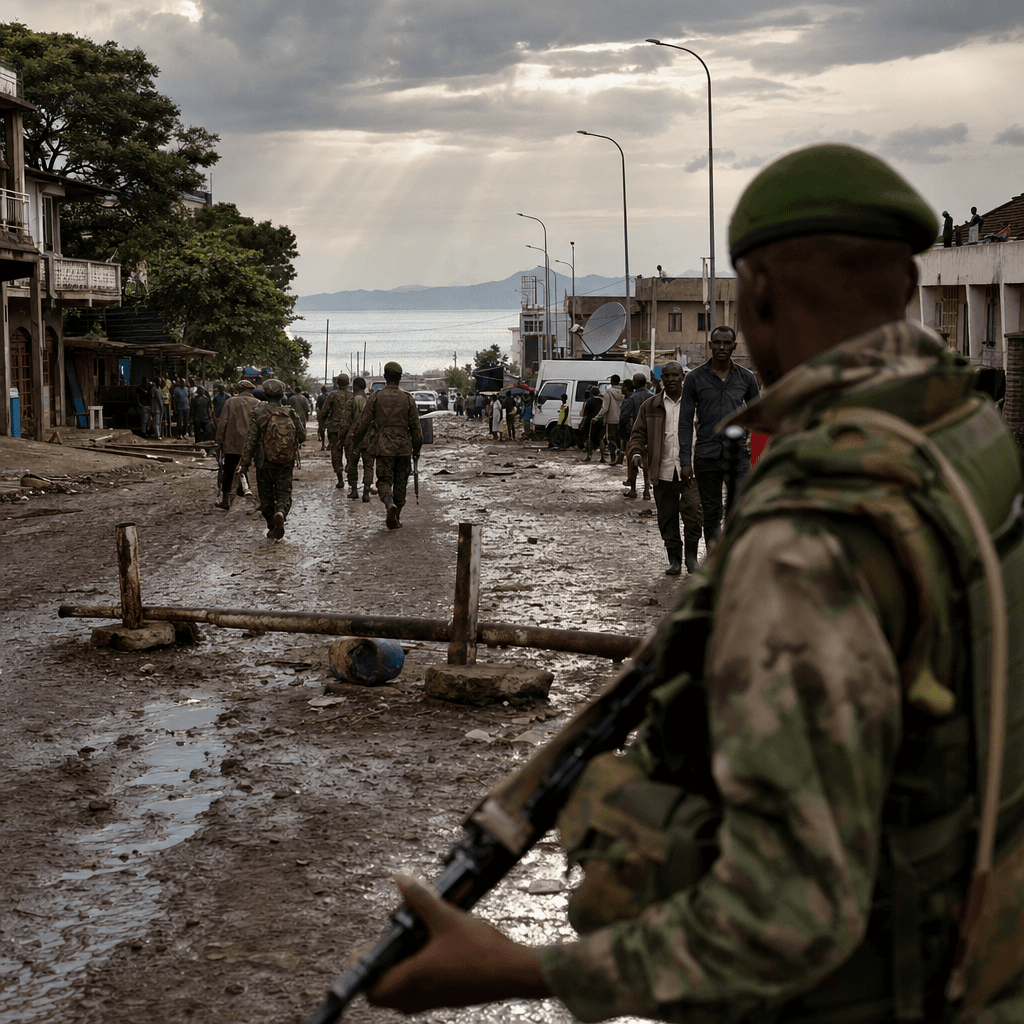
US Pressure Forces Congo Rebels to Pull Back in Uvira
Washington is using sanctions threats to push M23 off Uvira, but the real test is whether Rwanda changes behavior or just tactics.
Reuters reported that Congo’s M23 rebels are pulling back from key positions after U.S. pressure, a rare example of diplomacy forcing a battlefield concession in eastern Democratic Republic of Congo (Reuters). The immediate focal point is Uvira, the strategic city on the Burundi border that the Rwanda-backed rebels entered last week, according to
DW and
BBC News Afrique.
Why Washington has leverage
This is not about U.S. troops or even U.S. mediation prestige; it is about sanctions risk. DW reported that Secretary of State Marco Rubio warned Rwanda that its actions violated the U.S.-brokered deal and said Washington would “take action” to keep promises made to President Donald Trump (DW). That threat matters because M23’s battlefield gains are tied to Rwanda’s support, and pressure on Kigali is the quickest way to alter rebel calculations.
The leverage point is economic as much as diplomatic. DW said analysts expect possible U.S. measures to reach beyond individual commanders and into Rwandan institutions, including the gold sector (DW). For Kigali, that raises the cost of keeping M23 in place; for the rebels, it turns holding Uvira into a liability if it risks broader penalties. In the broader
Conflict file, this is the familiar pattern: outside powers can move armed groups fastest when they threaten the sponsor’s economic and diplomatic access.
What Uvira changes on the ground
Uvira is not just another town. DW noted that capturing it gave M23 control over the land border between Congo and Burundi, cutting off a key ally of Kinshasa and creating a potential corridor deeper into southeastern Congo (DW). That makes the current pullback significant even if it is partial: giving up Uvira reduces rebel leverage over Burundi and blunts the momentum from earlier gains in Goma and Bukavu.
But the rebels are not surrendering their broader position. DW reported that M23 said it was withdrawing to “instill trust” and give the Doha peace process a chance, while making clear it does not intend to hand over other “liberated territories” for now (DW). BBC added that M23 is not a signatory to the Washington peace deal and is pursuing separate talks under Qatari mediation, which helps explain why a U.S.-backed agreement can coexist with renewed fighting on the ground (
BBC News Afrique).
That leaves Kinshasa with only a partial win. A rebel pullback is useful only if state forces, not proxy militias, regain control and if civilians can actually move back in. Reuters’ framing points to a tactical retreat, not a strategic reversal (Reuters).
What to watch next
The next decision point is whether M23 fully vacates Uvira or keeps fighters on nearby heights, a pattern local officials have previously warned about (DW). Watch for three signals: whether Washington follows through with sanctions, whether Rwanda reins in M23 in practice, and whether the Doha track produces a verifiable ceasefire instead of another paper commitment (
BBC News Afrique). If the pullback stalls, the U.S. will have shown leverage; if it holds, it will have something rarer in Congo: a concession that actually changes the map.
Discover more
Conflict & Security
Macron's Africa Reset: Mali, Congo Challenges
Macron's bid to reset France's Africa policy is exposing shrinking influence in Mali and Congo, where migration disputes and rivals limit his diplomatic reach.
Global Politics
Tshisekedi's Term Limit Strategy Amid War
Congo's President Tshisekedi is leveraging eastern insecurity to push past term limits, using the war as a shield to justify extending his stay in power.

Conflict & Security
Tshisekedi's Third Term Strategy Amid Congo's
President Tshisekedi's bid for a third term ties constitutional change to Congo's ongoing war, using conflict as cover to test the country's term limits.

Conflict & Security
Drone Warfare Killing Aid Workers at Unprec
Over 1,000 humanitarian workers killed in three years as cheap armed drones collapse legal protections. Gaza, Sudan, Ukraine, and DRC see deliberate targeting of aid convoys and hospitals with zero prosecutions.