Ukraine's Stolen Children
An art exhibit in Brussels highlights Ukraine's child deportation crisis.
Model Diplomat3 min readEurope
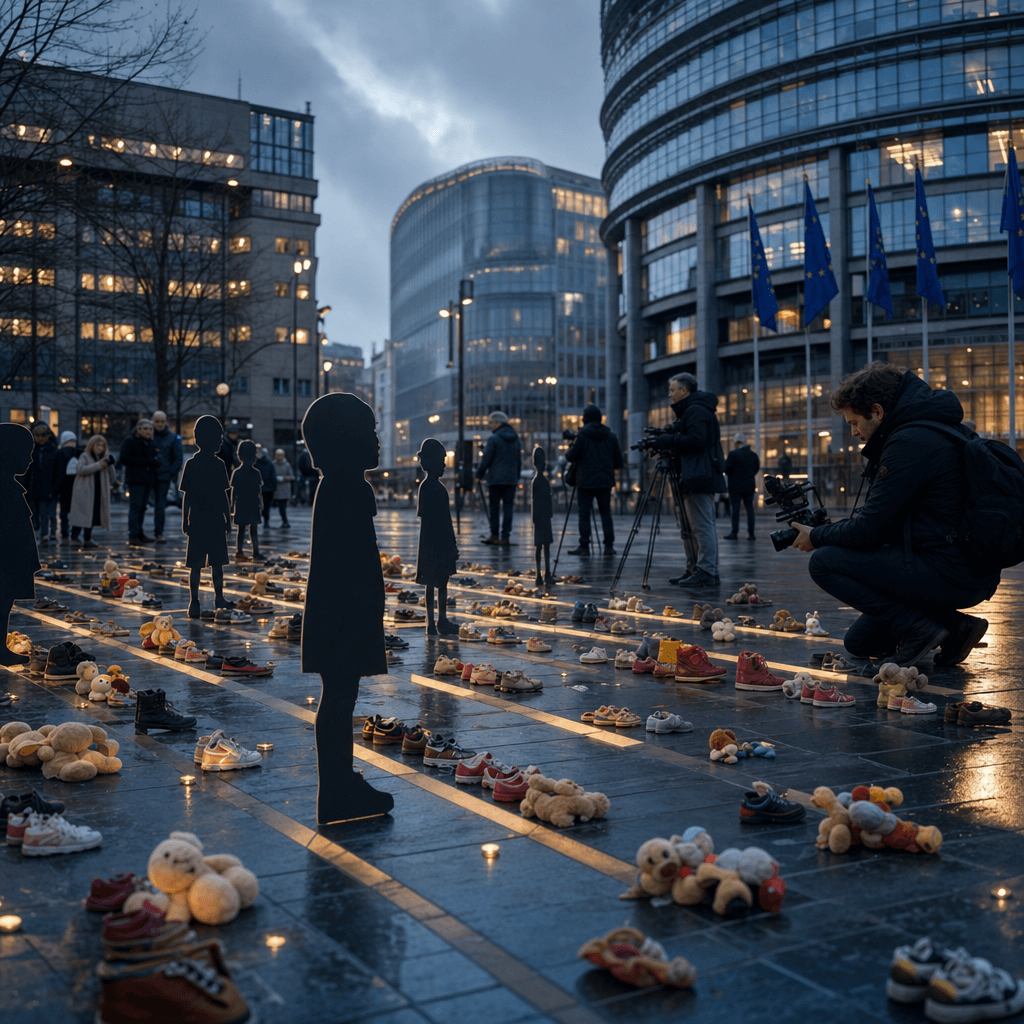
Ukraine’s stolen-children fight moves to Brussels
An art installation in the European Commission lobby is turning Russia’s deportation campaign into a political test for the EU.
A teenage bedroom rebuilt as an empty exhibit is not policy — but it is leverage. Bird of Light Ukraine has brought its installation to the European Commission headquarters in Brussels to dramatize the fate of Ukrainian children unlawfully deported or forcibly transferred to Russia, with the display built around the claim that more than 20,500 children were taken and only 2,133 have returned so far, according to The Guardian. The point is simple: put the image of a missing child inside the building where Europe decides sanctions, aid, and diplomacy.
Brussels is the target, not just the audience
This is a pressure campaign aimed at institutions that can still impose costs on Moscow. The Guardian says delegates from 63 countries and international organizations gathered alongside the installation to discuss returning Ukrainian children, while the UK announced sanctions on 56 individuals and agencies tied to Russian disinformation and influence operations, including an official in occupied Luhansk linked to deportations (The Guardian). That follows the European Union’s own move a day earlier: the bloc sanctioned 23 state institutions and officials over Russia’s “systematic unlawful deportation” of Ukrainian children, describing the issue as an attack on Ukraine’s future, according to
Le Monde with AFP.
The leverage here is reputational, legal, and diplomatic. Russia still controls the children and the records, while Ukraine and its partners are left to identify names, trace routes, and build a case for returns. That imbalance is why the issue has become so central to accountability politics in Europe.
What Russia gains, what Ukraine needs
For Moscow, the children are not just a humanitarian file; they are an instrument of control. Kyiv and its partners say Russia has used “reeducation,” forced adoption, military-style camps, and citizenship changes to erase Ukrainian identity (The Guardian;
Le Monde with AFP). That is why the International Criminal Court’s arrest warrant for Vladimir Putin over the unlawful deportation of children remains politically potent even if enforcement is remote, as
BBC News reported earlier in the conflict.
Ukraine’s problem is operational, not rhetorical: it needs access, intermediaries, and verified pathways back. The BBC reported that only a small number of children had been returned through ad hoc arrangements, including a Qatar-mediated exchange, showing how dependent Kyiv is on third-party diplomacy when Moscow holds the file (BBC News). That makes the Brussels installation more than symbolism. It is a bid to keep the issue on the front edge of EU sanctions policy and coalition diplomacy, where pressure on Russia can still be broadened.
What to watch next
The next decision point is whether Europe turns this into a sustained enforcement track or leaves it at statements and exhibitions. Watch for follow-on sanctions, any new Qatar-style mediation, and whether the Conflict agenda in Brussels shifts from condemnation to a structured return mechanism. If the coalition can keep linking child returns to sanctions relief, Russia loses one of its quietest instruments of war.
Discover more
India
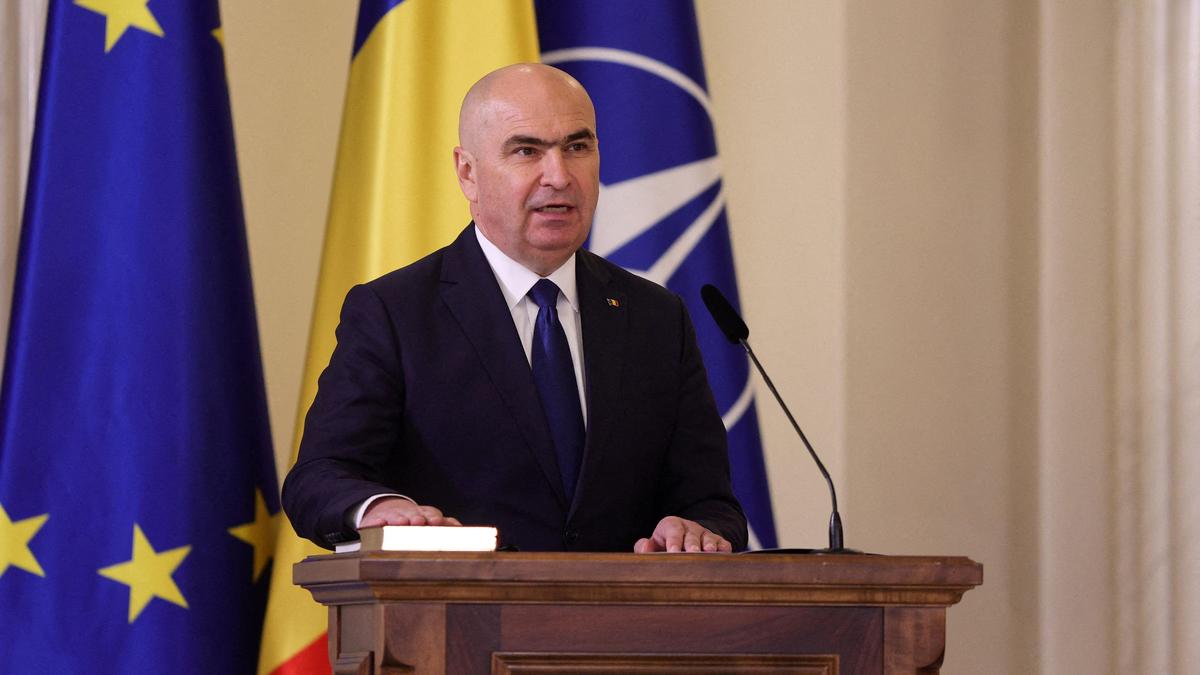
Romanian Coalition Party Demands PM Resign
Romania's Social Democrats withdrew from coalition, joining far-right AUR to topple PM Bolojan, risking €10 billion in EU funds by August 2026.
India
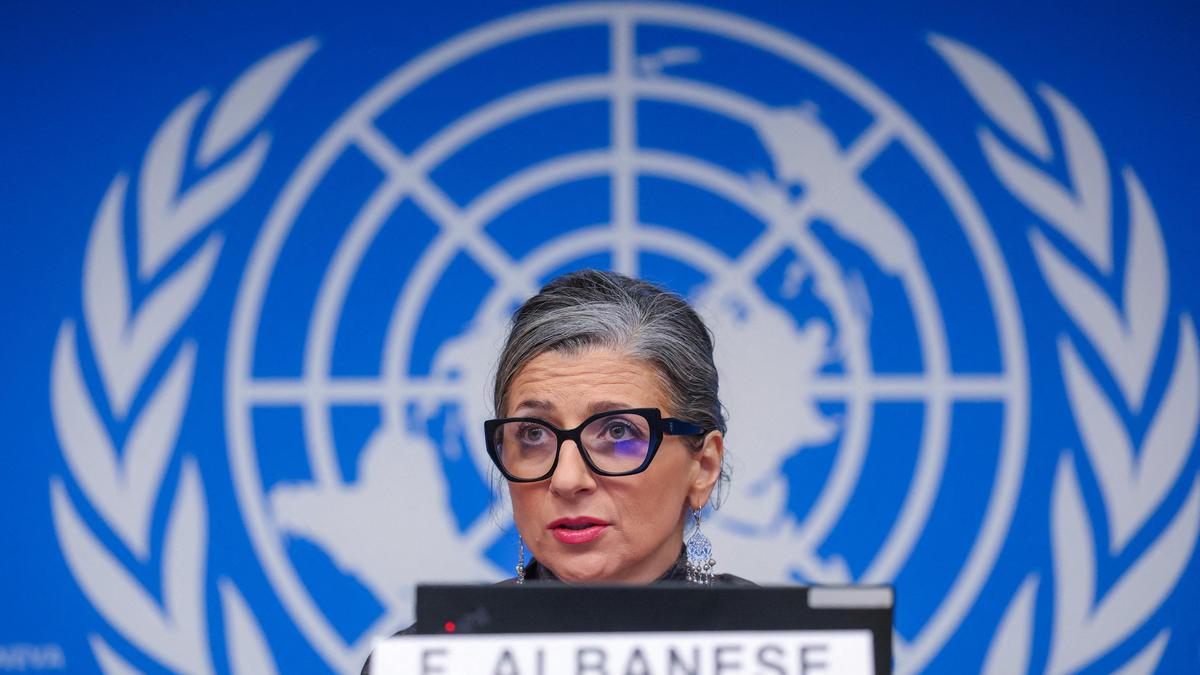
UN Expert Albanese: India Violates Law
UN Rapporteur Francesca Albanese accuses India of breaching international law, spotlighting human rights concerns in Kashmir and prompting diplomatic pushback.

Conflict & Security
Drone Warfare Killing Aid Workers at Unprec
Over 1,000 humanitarian workers killed in three years as cheap armed drones collapse legal protections. Gaza, Sudan, Ukraine, and DRC see deliberate targeting of aid convoys and hospitals with zero prosecutions.
Global
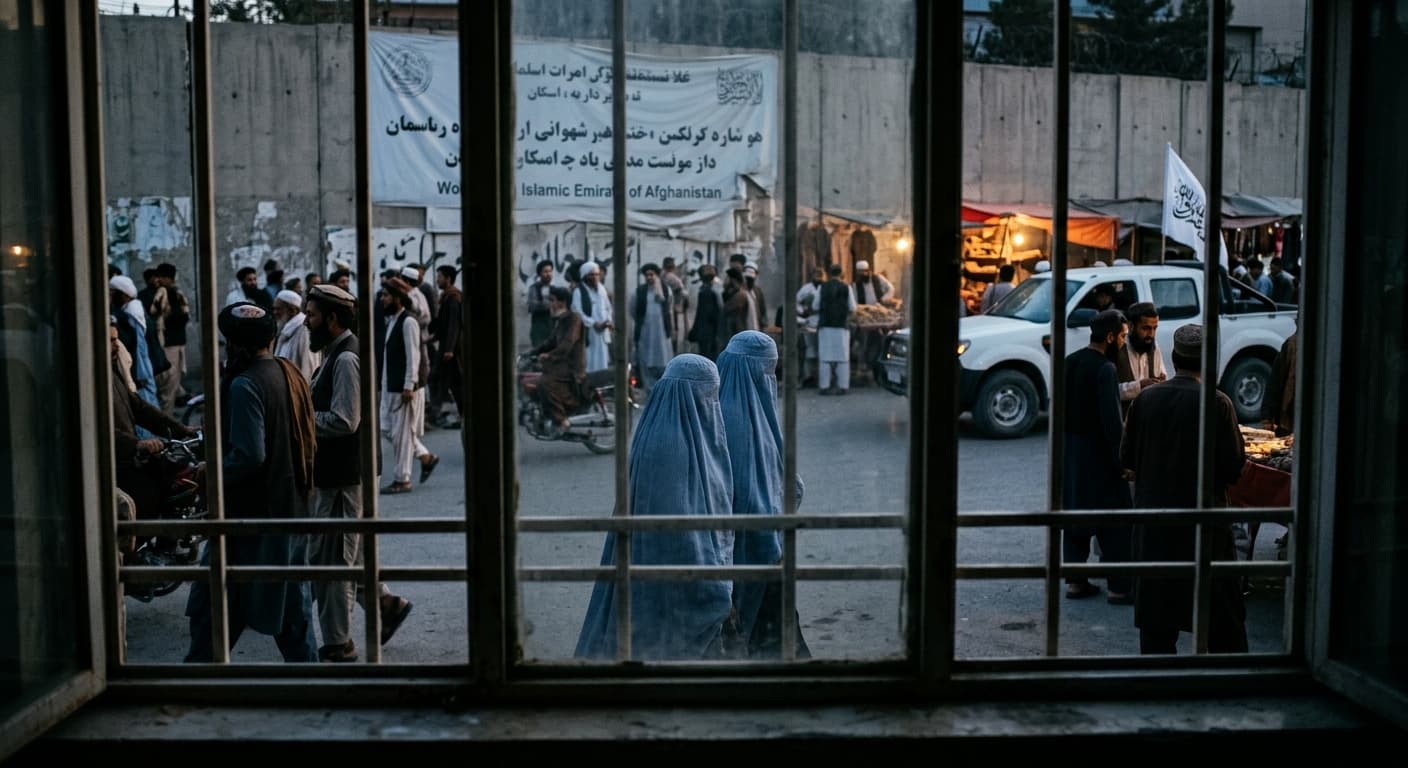
World Normalises Taliban as Afghan Women Eras
UN data shows Afghan women erased from public life as Russia recognises the Taliban, EU hosts officials in Brussels, and ICC warrants for gender persecution go unenforced.