Israel to Deport Flotilla Activists Soon
Israel to deport two activists after brief detention.
Model Diplomat2 min readMiddle East
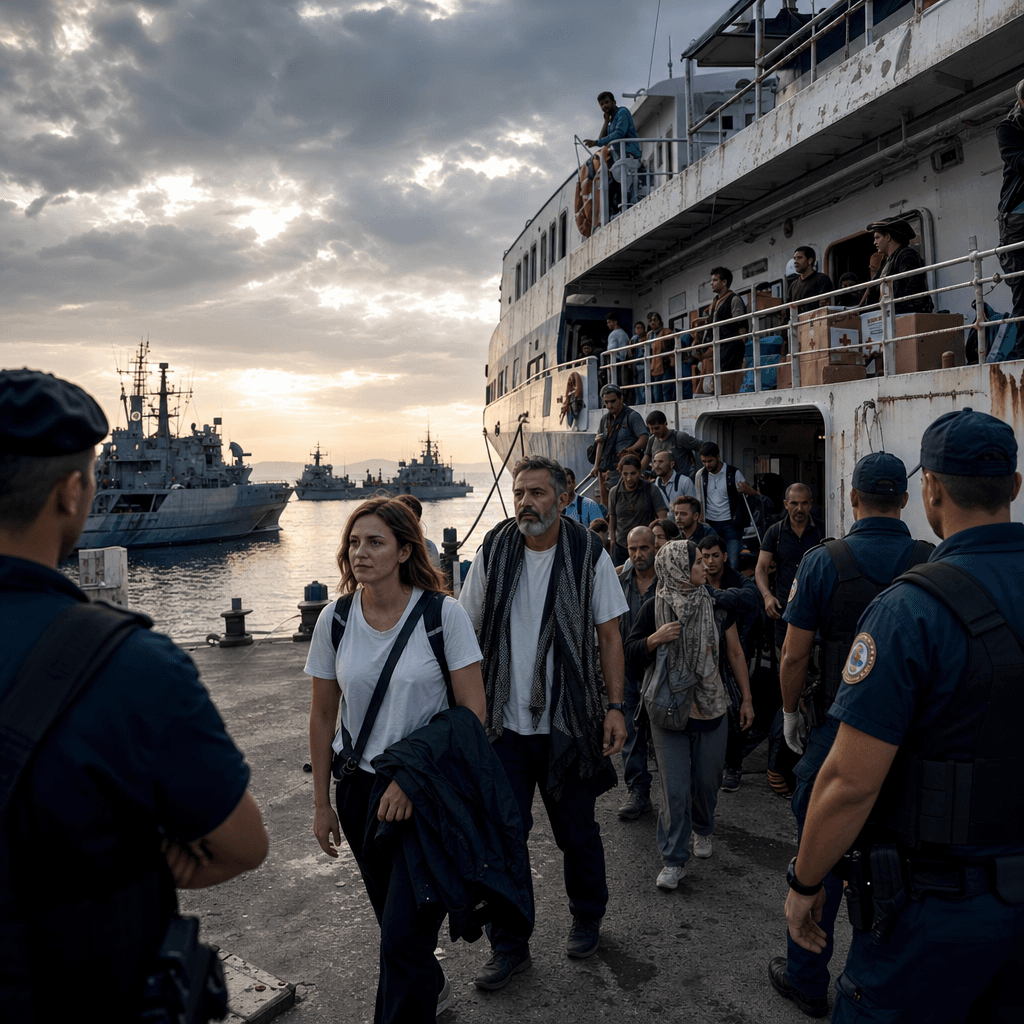
Israel Cedes on Flotilla Detainees, Not the Blockade
Israel is set to free two flotilla activists, but only after keeping custody and ordering deportation — a controlled concession, not a retreat.
Israel is preparing to release Spanish-Palestinian activist Saif Abu Keshek and Brazilian activist Thiago Ávila after more than a week in detention, according to their lawyers and the rights group Adalah, which said Israeli security officials told it the pair would be handed to immigration authorities and deported in the coming days (France 24,
Reuters). Israel still holds the leverage: it intercepted the Global Sumud Flotilla in international waters, moved the two men to Israel, and kept them in custody even after most of the other 168 activists were sent on to Crete and released (
France 24,
Al Jazeera).
Why it matters
This is a classic Israeli deterrence play. By releasing the activists only after detention, interrogation, and a deportation process, Jerusalem can say it enforced its security line while avoiding the cost of indefinite custody of two high-profile foreigners (Reuters,
Haaretz). The price is diplomatic friction: Spain, Brazil, and the UN all pressed for their release, while Adalah called the detention unlawful and said the men were held in isolation and under punitive conditions (
Reuters,
France 24,
Al Jazeera). For Madrid and Brasília, the gain is limited but real: they can claim pressure forced movement, even if it ends in deportation rather than exoneration.
The deeper issue is the Gaza blockade itself. The flotilla’s organizers said they launched from Spain to deliver aid and challenge Israel’s maritime restrictions, which they argue are choking humanitarian access to Gaza after two years of war (Reuters,
France 24). In other words, the activists are not the strategic target; they are the message.
What to watch next
The immediate test is whether Israel follows through on release and deportation today, as Adalah said it expects, and whether the legal track closes without new charges (France 24,
Reuters). The second is whether flotilla organizers send more boats toward Gaza; if they do, Israel has already signaled the response pattern it intends to use (
Haaretz,
Al Jazeera). For broader monitoring, see
Conflict and
Global Politics.
Discover more

Global Politics
US Seizes Iranian Ship, Tensions Surge
The US seizure of the Iranian ship Touska highlights a shift in control over the Strait of Hormuz, favoring Iran's strategic position.

Conflict & Security
Drone Warfare Killing Aid Workers at Unprec
Over 1,000 humanitarian workers killed in three years as cheap armed drones collapse legal protections. Gaza, Sudan, Ukraine, and DRC see deliberate targeting of aid convoys and hospitals with zero prosecutions.
Global
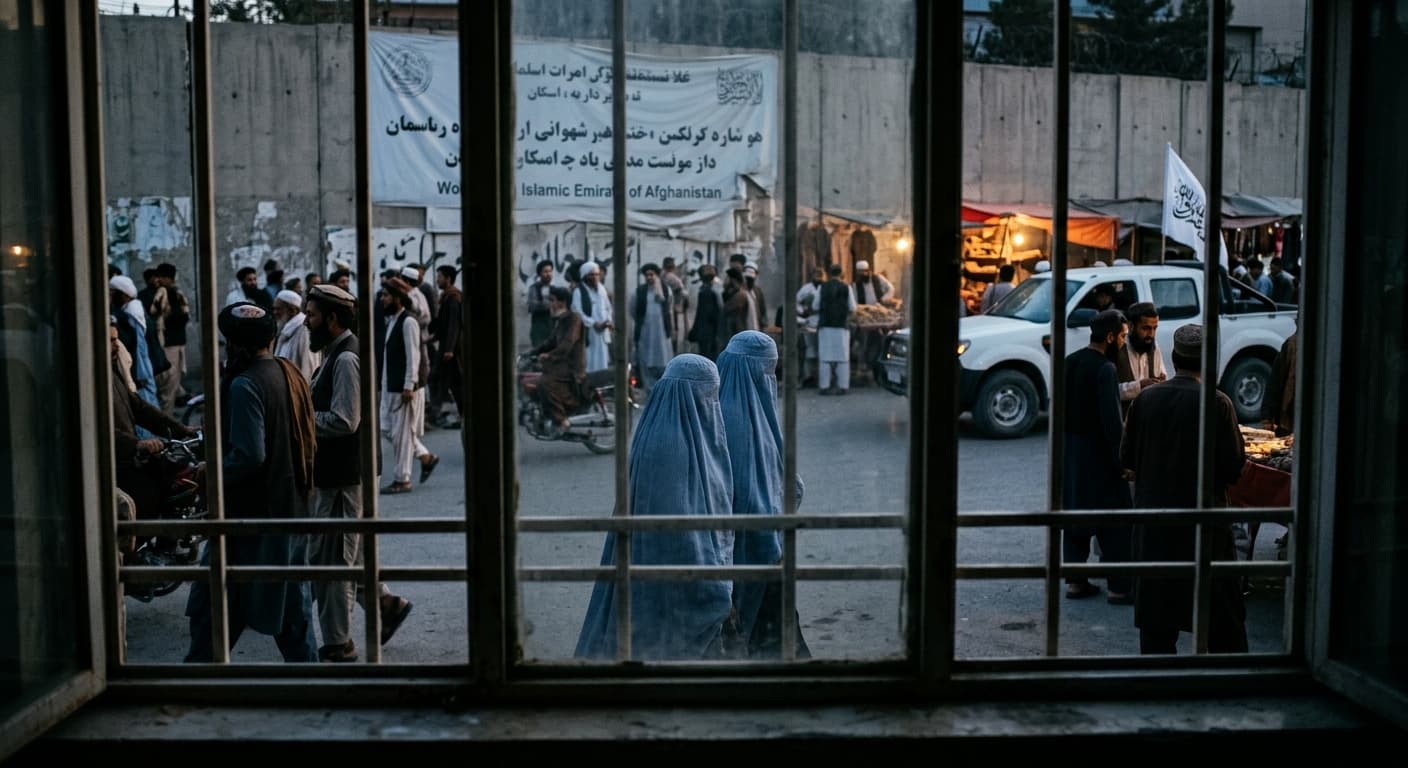
World Normalises Taliban as Afghan Women Eras
UN data shows Afghan women erased from public life as Russia recognises the Taliban, EU hosts officials in Brussels, and ICC warrants for gender persecution go unenforced.
Conflict & Security
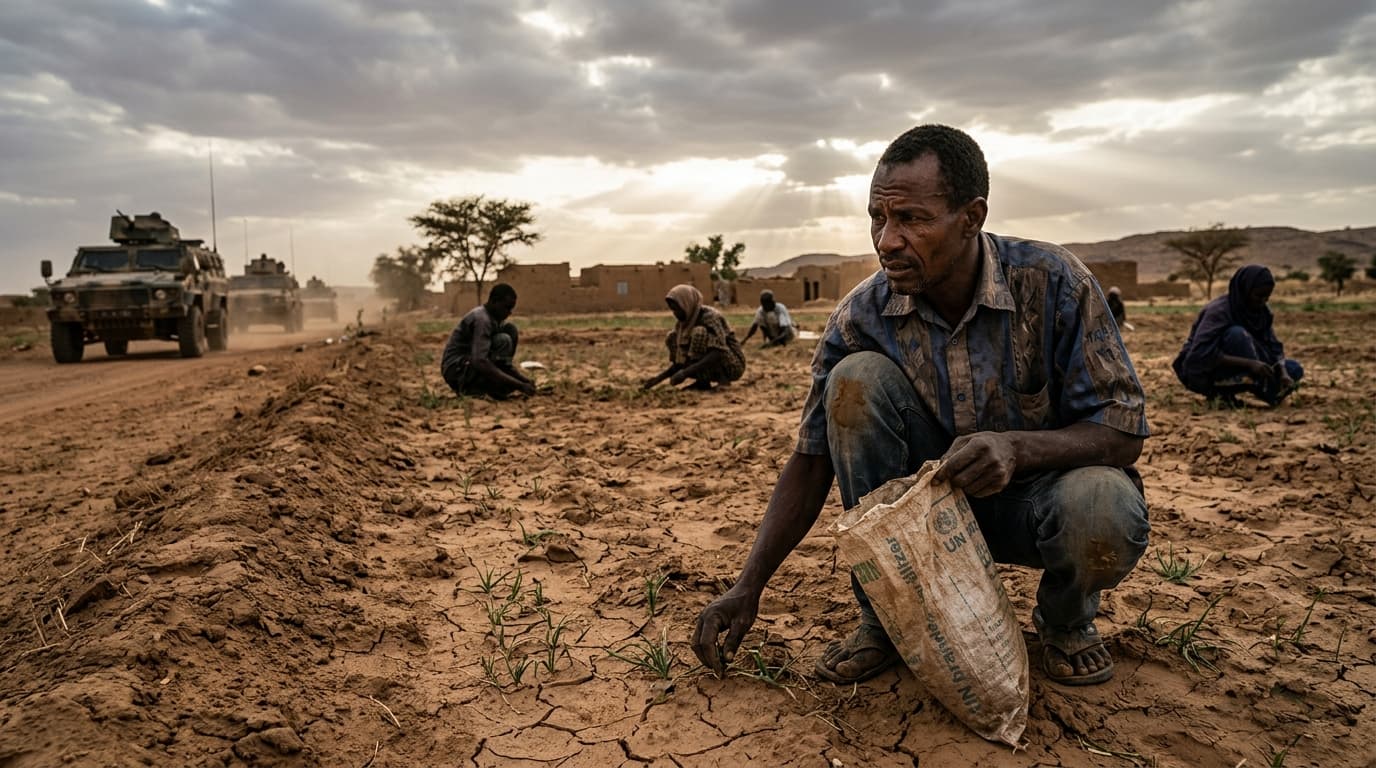
West Africa Food Crisis: Three Shocks in 2026
Conflict, climate extremes, and the Strait of Hormuz closure drive a severe food crisis in West and Central Africa, with fertilizer prices surging 80% and millions displaced.

