France's New Strategy: Kenya as Africa Hub
Macron shifts focus from West to East Africa for partnerships.
Model Diplomat3 min readAfrica
France Bets on Kenya to Rebuild Its Africa Playbook
Macron is shifting from West African leverage to East African access, using Nairobi to sell a cleaner, more transactional partnership.
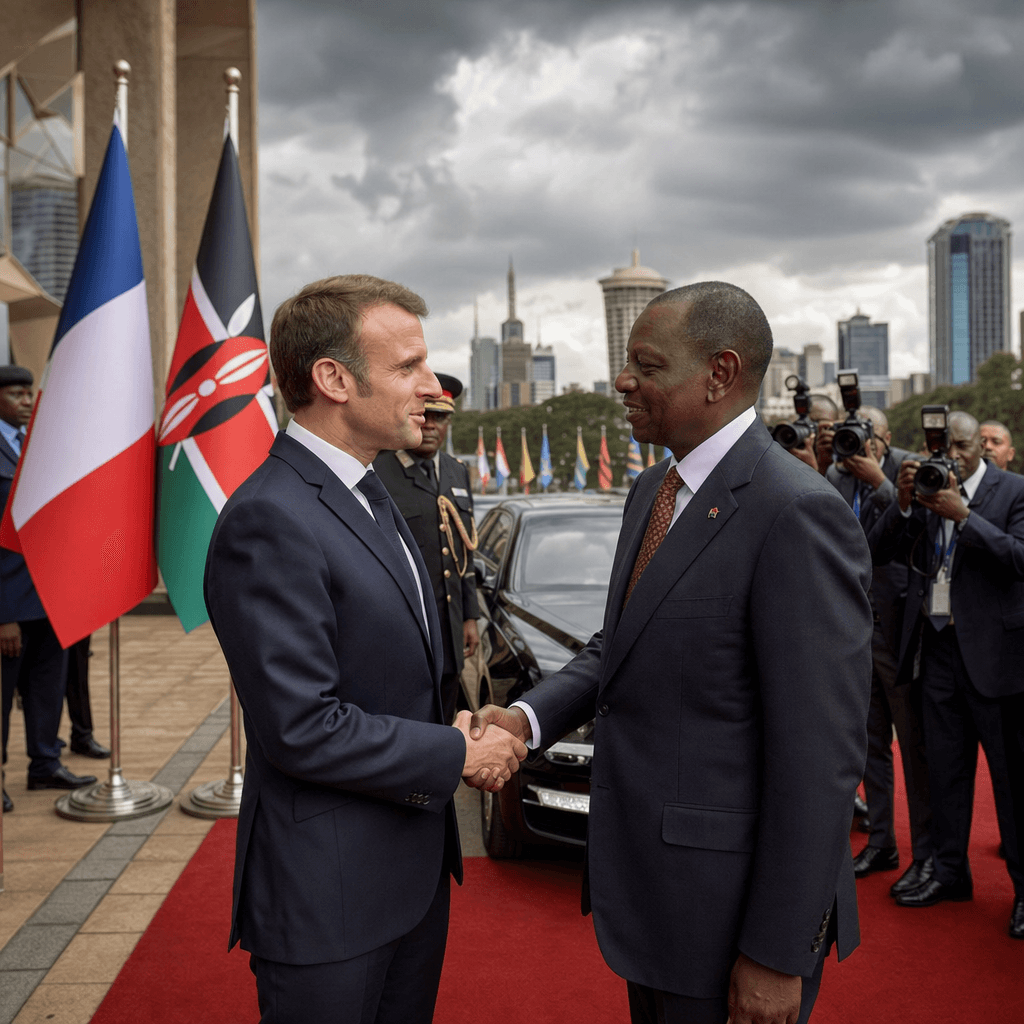
France is trying to convert retreat in the Sahel into relevance in East Africa. At the Africa Forward Summit in Nairobi on May 11-12, Emmanuel Macron and William Ruto will co-host a forum of heads of state, executives and development-bank chiefs aimed at “renewed partnership” through investment, security and trade, according to France 24. The political message is the point: Paris no longer has the old West African levers, so it is trying to build a new constituency in Kenya, a country where its colonial baggage is lighter and its access is still negotiable.
Why Nairobi matters
The summit is France’s first in an English-speaking African country, and that is not a cosmetic choice. France 24 says Paris is now rebuilding after coups in Mali, Burkina Faso and Niger drove out French troops and opened the door to Russia-backed Wagner and Africa Corps. Senegal’s handover of France’s last major military facility last July underscored the broader collapse of the old security network, the same network Macron once tried to rebrand away from “Francafrique” (
France 24).
That creates a simple power shift. France is offering capital, technology and diplomatic backing because it has less hard leverage than before. Kenya, meanwhile, gets to auction access to a fast-growing market and to present itself as the gateway for a more diversified set of partners. The The Star says the agenda will center on climate finance, infrastructure, digital technology, health, peace and security, and reform of the international financial architecture. That is exactly the menu where African governments can demand money without conceding military basing or political tutelage.
What France is really buying
Macron’s pitch is not just symbolic. France 24 reports that France wants deals in clean energy, AI and education, and that Paris has already been pushing a more civilian-heavy model: more engagement with youth leaders and civil society, plus a 25% rise in imports from Africa between 2021 and 2024. That is a real change, but it is also defensive. France is competing with China and Gulf investors who arrive with deeper pockets and fewer historical liabilities.
Kenya is not an easy win, either. France 24 notes that Nairobi canceled a $1.5 billion Vinci-led highway expansion and handed it to Chinese firms instead after saying the contract was too risky. That is the critical signal: France can still enter the market, but it no longer gets preference by default. Ruto is using the summit to press France on debt and global financial reform, while Paris wants the optics of influence without the cost of occupation or patronage.
For a broader read on how this fits the continent-wide competition for access, see Global Politics.
What to watch next
The immediate test is whether the summit produces named financing commitments, defense follow-through under the Kenya-France pact signed last October, or only familiar language about partnership (France 24). The next date that matters is Macron’s Africa travel around the summit and the G7 in June: if France cannot turn Nairobi into concrete deals, the “reset” will look like rebranding, not recovery.
Discover more

International Relations
Pakistan's Key Role in US-Israel-Iran Meddle
Pakistan is seeking to mediate the US-Israel-Iran conflict, balancing high-stakes diplomacy against severe economic pressures and steep regional challenges.

India
India-South Korea $50B Trade Expansion Plan
India and South Korea target $50 billion in bilateral trade by 2030, focusing on industrial cooperation and strategic alignment amid US pressures.

Conflict & Security
Drone Warfare Killing Aid Workers at Unprec
Over 1,000 humanitarian workers killed in three years as cheap armed drones collapse legal protections. Gaza, Sudan, Ukraine, and DRC see deliberate targeting of aid convoys and hospitals with zero prosecutions.

Global
World Normalises Taliban as Afghan Women Eras
UN data shows Afghan women erased from public life as Russia recognises the Taliban, EU hosts officials in Brussels, and ICC warrants for gender persecution go unenforced.