Macron's Africa Reset: Mali, Congo Challenges
Exploring Macron's shifting strategy in African politics
Model Diplomat3 min readAfrica
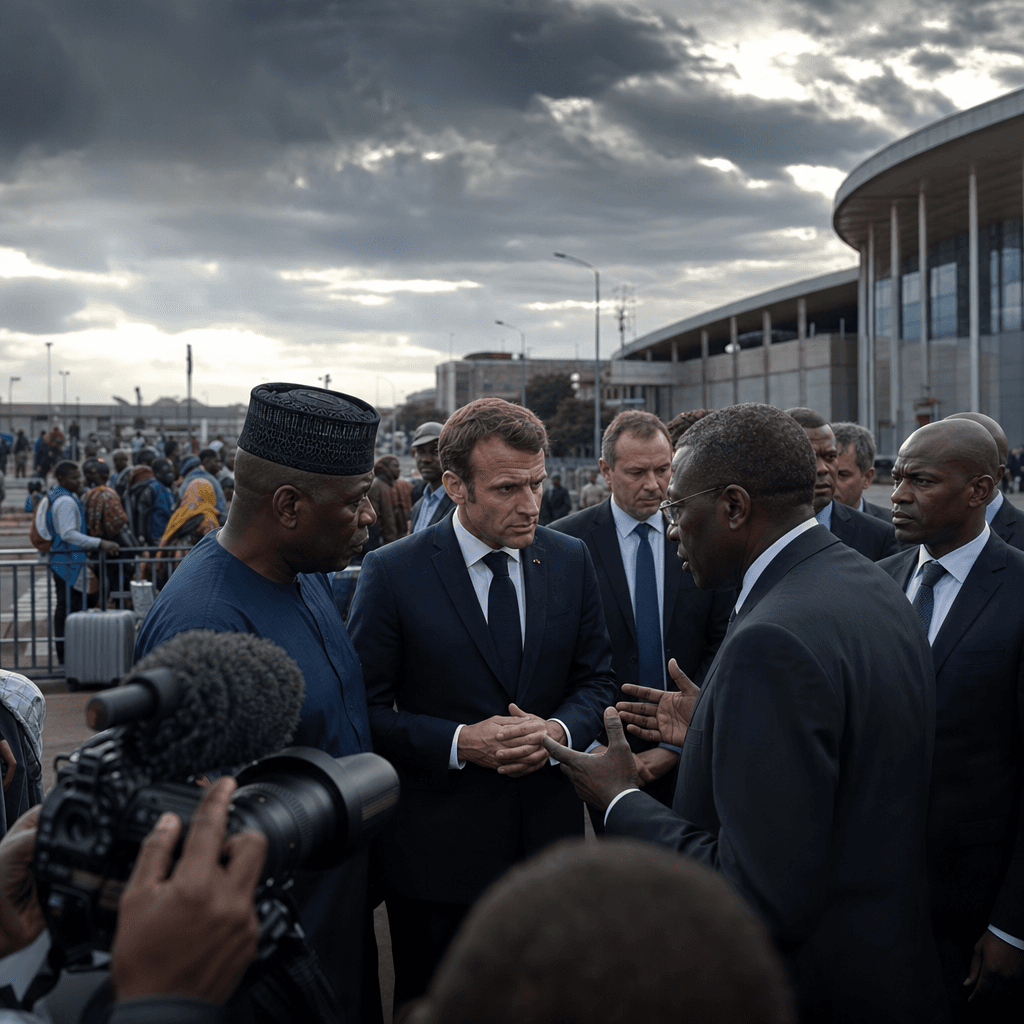
Macron’s Africa Reset Runs Into Mali, Congo and Migration
Macron is trying to trade old French leverage for “partnership” — but Mali, the DRC and migration show where Paris still has limited room to maneuver.
French President Emmanuel Macron used a France 24 interview on the sidelines of the Nairobi “Africa Forward” summit to signal three things at once: France is still trying to matter in African security politics, it wants a tougher line on migration, and it is no longer pretending the old Sahel model worked (France 24). That is the core power shift: Paris now speaks from a weaker position, after being pushed out of Mali, Burkina Faso and Niger and forced to recast its role as partnership rather than command (
The Washington Post/AP).
Mali shows how little leverage France now has
Macron’s comments on Mali were unusually blunt. He said France should have paired counterinsurgency more forcefully with economic development and political dialogue, but he also defended the broader French record by accusing Mali’s leaders of misinformation and “ingratitude” (France 24). The message is familiar: Paris wants to preserve the argument that it was not defeated, only rejected.
But the politics on the ground are harsher. The junta in Bamako is under pressure from a Tuareg separatist and jihadist offensive, while France has already lost the military access that once gave it direct influence in the Sahel. Reuters’ coverage of Macron’s Africa push says the summit in Kenya is meant to “anchor” a renewed partnership with African states, precisely because the old model has collapsed (Reuters). In
Conflict terms, France now has more rhetorical than operational leverage in Mali.
The DRC and migration agenda are about control, not optics
On the Democratic Republic of Congo, Macron called for talks between Kinshasa and the Rwanda-backed AFC/M23 rebels and laid out a familiar sovereignty framework: foreign forces out, political dialogue resumed, eastern Congo brought back under state control, and regional terrorist groups confronted (France 24). That position aligns France with Congolese sovereignty without committing French force. It is influence by diplomacy, not by deployment.
The sharper signal came on immigration. Macron said he was uncomfortable with deporting migrants to third countries such as the DRC, but he backed the EU’s harder line on returns and “return hubs” (France 24). That tells you where the leverage sits: Brussels wants faster removals, African governments want investment and concessions, and France is trying to stay aligned with both without owning the political cost. For policymakers watching
International, the signal is clear: migration is now being folded into Europe-Africa bargaining, not treated as a humanitarian side issue.
What to watch next
The next test is whether Macron’s language turns into policy. Watch for three dates and decisions: follow-up on the Nairobi summit’s investment pledges; any French or EU movement on migration “return hubs”; and whether Kinshasa and the AFC/M23 talks restart with a real timetable (The Washington Post/AP,
France 24). If those three tracks stall, Macron’s “new partnership” will look less like a reset than a managed retreat.
Discover more
India
Romanian Coalition Party Demands PM Resign
Romania's Social Democrats withdrew from coalition, joining far-right AUR to topple PM Bolojan, risking €10 billion in EU funds by August 2026.

International Relations
Pakistan's Key Role in US-Israel-Iran Meddle
Pakistan is seeking to mediate the US-Israel-Iran conflict, balancing high-stakes diplomacy against severe economic pressures and steep regional challenges.

Conflict & Security
Drone Warfare Killing Aid Workers at Unprec
Over 1,000 humanitarian workers killed in three years as cheap armed drones collapse legal protections. Gaza, Sudan, Ukraine, and DRC see deliberate targeting of aid convoys and hospitals with zero prosecutions.
Global
World Normalises Taliban as Afghan Women Eras
UN data shows Afghan women erased from public life as Russia recognises the Taliban, EU hosts officials in Brussels, and ICC warrants for gender persecution go unenforced.

