Modi's Constitution Amendment Bill Defeat
India's Lok Sabha rejects key women's reservation bill, reshaping politics
Model Diplomat3 min readAsia
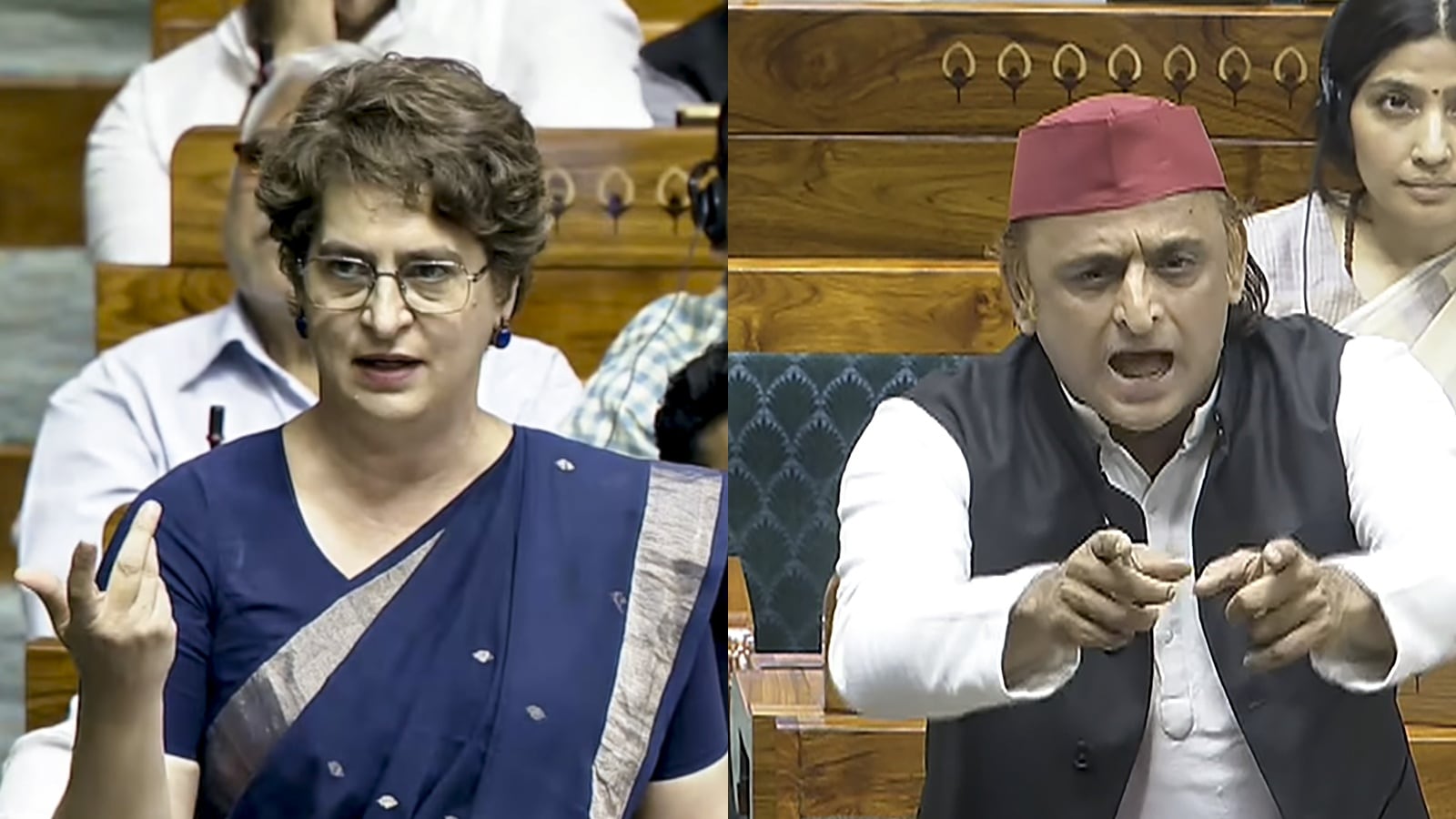
Constitution Amendment Bill Defeat: Modi’s Setback and a Democratic Opening
The defeat of the Constitution (One Hundred and Thirty-First Amendment) Bill, 2026 marks a rare parliamentary blow for Narendra Modi’s government and opens space for opposition to challenge its electoral reforms.
On April 17, 2026, India’s Lok Sabha rejected the Constitution (131st Amendment) Bill, which aimed to implement a landmark women’s reservation of one-third of legislative seats by 2029 and redraw parliamentary boundaries through delimitation. The bill fell short of the two-thirds majority needed for constitutional amendments, with 298 in favor and 230 against—showcasing unusual opposition unity against a Modi-backed initiative. The government immediately announced it would not pursue the companion bills related to seat redistribution.
Why This Matters: Beyond a Reform Setback
This defeat is more than a legislative hiccup; it highlights the limits of Modi’s "permanent revolution" style of reform—pushing rapid structural changes without building broad consensus. The bill combined two major electoral reforms: women’s reservation and a delimitation exercise that would adjust parliamentary constituencies to align with demographic shifts.
The government argued these reforms were corrective and progressive: Home Minister Amit Shah contended delimitation would address current imbalances between voter populations and parliamentary representation without harming any state, especially southern and northeastern regions. Prime Minister Modi framed women's reservation as a historic step for empowerment.
But the Opposition depicted the bill as a political stratagem undermining federal balance and state representation. Congress leader Rahul Gandhi called it "anti-national," warning it would dilute smaller states’ influence and favor BJP’s electoral prospects. Congress MP K.C. Venugopal criticized the conflation of women’s reservation with delimitation, urging an all-party consensus before pursuing such sweeping changes.
The failure to separate these issues weakened the government’s position. The opposition maintained that the bill’s rapid push masked a political gerrymander that risked skewing India’s intricate federal equilibrium. This pushback flashes an important democratic check: lawmakers resisted moving ahead without more inclusive negotiation.
What to Watch Next
The government’s retreat on the accompanying bills suggests the immediate agenda is stalled, but the deeper fault lines around electoral reform remain potent. Modi’s appeal to women’s empowerment narratives helped soften the opposition’s attack, yet concerns about state-level political power suggest broader debates on center-state dynamics will intensify.
Observers should track these fronts:
- Delimitation politics: A fresh debate is inevitable, as demographic shifts demand constituency adjustments. Who gets more representation will be a critical question ahead of elections.
- Women’s reservation bill: Modi’s push for 33% female representation in legislatures is broadly popular but politically complicated. Separate bipartisan consensus building is now crucial.
- Opposition strategies: The opposition’s ability to unite around federal concerns signals rising confidence in parliament to check the government’s agenda.
This episode underscores how India’s robust democratic institutions and multi-party system can still produce pushback to centralizing reforms, even from a dominant ruling party. It also points to heightened political contestation over the next delimitation process, which will shape electoral fortunes for years.
For a deeper dive into India’s current political landscape and federal dynamics, see our India profile and
Global Politics overview.
Sources:
Discover more
India
Delimitation in India
India's delimitation exposes a deepening struggle between federalism and equal voting power under Modi's centralizing politics and shifting seat allocation.
India
Delimitation Bill Controversy
India's Delimitation Bill ignites fierce debate, raising fears over federal representation and shifting the balance of political power among the states sharply.
India
Congress Accuses Modi of Delimitation Deceit
Congress accuses Modi's government of deceit over delimitation, charging it skips a caste census and reshapes political dynamics to its favor before elections.

Conflict & Security
Drone Warfare Killing Aid Workers at Unprec
Over 1,000 humanitarian workers killed in three years as cheap armed drones collapse legal protections. Gaza, Sudan, Ukraine, and DRC see deliberate targeting of aid convoys and hospitals with zero prosecutions.