Modi’s Australia Visit Signals a Quad Reset
Modi's trip focuses on Quad coordination and trade, not just ceremony.
Model Diplomat3 min readAsia-Pacific

Modi’s Australia Visit Signals a Quad Reset in Motion
Penny Wong’s remarks point to a Modi trip soon, with the real agenda in Quad coordination, trade, and diaspora politics rather than ceremony.
Narendra Modi’s expected visit to Australia is being used as a signal, not just a scheduling note. Australian Foreign Minister Penny Wong said Prime Minister Anthony Albanese had announced that Modi would visit in the “near future,” according to Hindustan Times. That puts Canberra in the position of publicly framing the trip before either side has locked down a date — a deliberate way to keep momentum in the India-Australia relationship without overcommitting on timing.
Why this matters
The leverage here sits with Canberra and New Delhi together: both want the optics of a high-level visit, but neither side needs to rush if the substance is already moving through the Quad and the foreign ministers’ channel. Wong is in India for the Quad Foreign Ministers’ Meeting and the Australia-India Foreign Ministers’ Framework Dialogue, where the Australian government says the two countries are working on maritime security, critical minerals, infrastructure development and disaster relief, according to Mirage News and
Daily Pioneer.
That agenda tells you what this visit is really for. Australia wants India tied more tightly into the Indo-Pacific security architecture, but through practical cooperation rather than formal alignment. India wants the same relationship to keep expanding on trade, technology and supply chains — especially critical minerals — without being boxed in by any one partner’s domestic politics. The visit would therefore be less about symbolism than about proving the partnership can generate deliverables that survive leadership changes in both capitals.
Who benefits — and who doesn’t
The main beneficiary is the Albanese government, which can present the trip as evidence that Australia still has access in New Delhi and relevance in the Indo-Pacific. Wong’s language about the Quad being “a vital partnership” and about “concrete outcomes” is straight from Canberra’s playbook: show that Australia is not just talking about regional strategy, but embedding itself in it, per Mirage News.
India benefits too, but in a different way. Modi gets another chance to showcase India as a central power whose relationships stretch beyond the United States and Europe. The bilateral relationship also carries a domestic dividend: the Indian diaspora in Australia is large, politically visible, and useful for public diplomacy. South Asia Times reports that a Modi visit could come in July, possibly with a diaspora event in Melbourne, though it stresses that no official dates have been announced and that confirmation still depends on both governments, according to South Asia Times.
The losers are the actors looking for a sharper strategic split in the Indo-Pacific. A Modi visit framed around the Quad, critical minerals and maritime security shows that India and Australia prefer building capacity across issues rather than turning the relationship into a public anti-China front. That is a more durable model, and a more flexible one.
What to watch next
The key decision point is whether New Delhi confirms the tour as part of a broader regional trip — South Asia Times says Australia may follow stops in Indonesia and New Zealand — or keeps it as a standalone bilateral stop, which would signal a narrower political message. Watch for the next formal announcement from the Government of India and Australia’s foreign ministry, and for any reference to trade, critical minerals or defence cooperation in the final itinerary.
If the visit lands soon, the substantive test will be whether it produces a package beyond photo ops: a minerals commitment, a maritime security initiative, or a new trade or education announcement. If it doesn’t, the trip will still matter — but mainly as proof that both capitals still see the partnership as worth defending.
Discover more
India
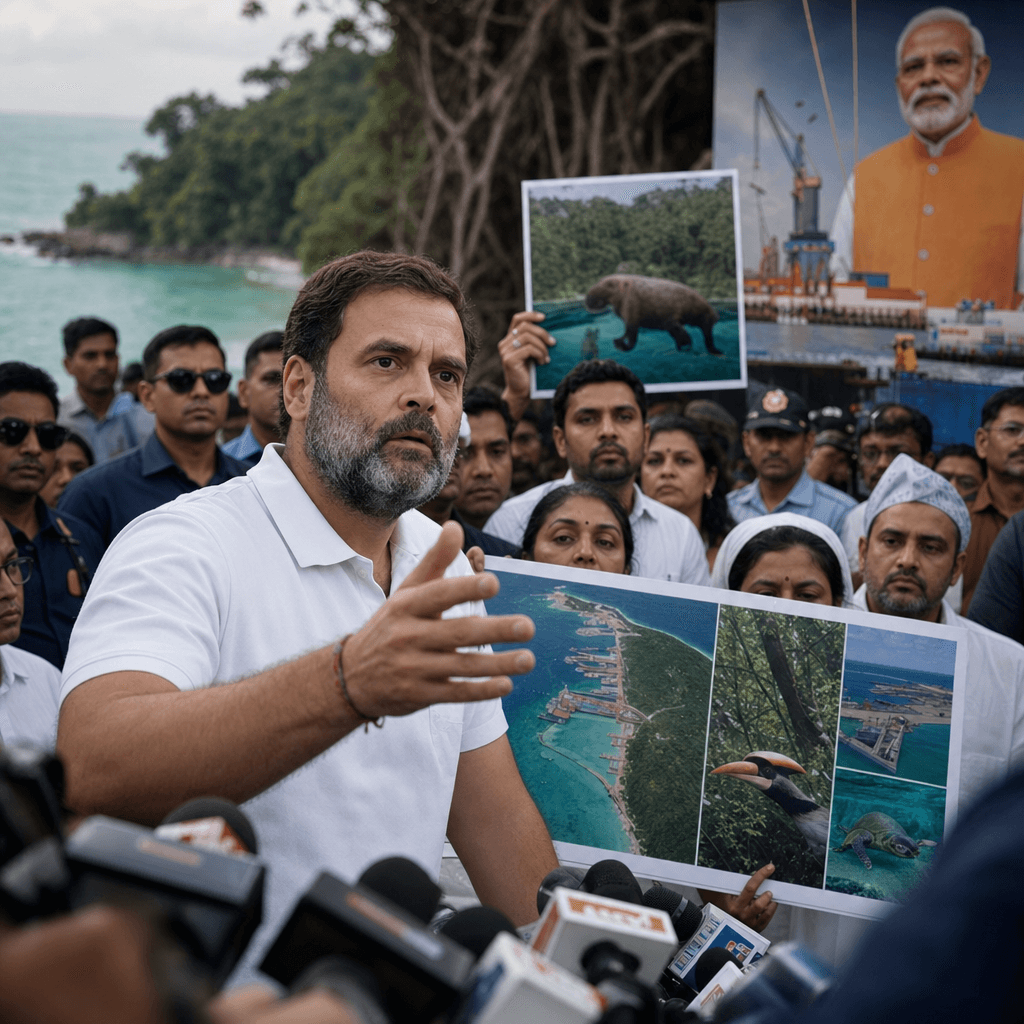
Gandhi Challenges Modi's Nicobar Project
Rahul Gandhi escalates his campaign against the Great Nicobar project, targeting Modi and turning it into a flashpoint in India's environmental politics debate.
India
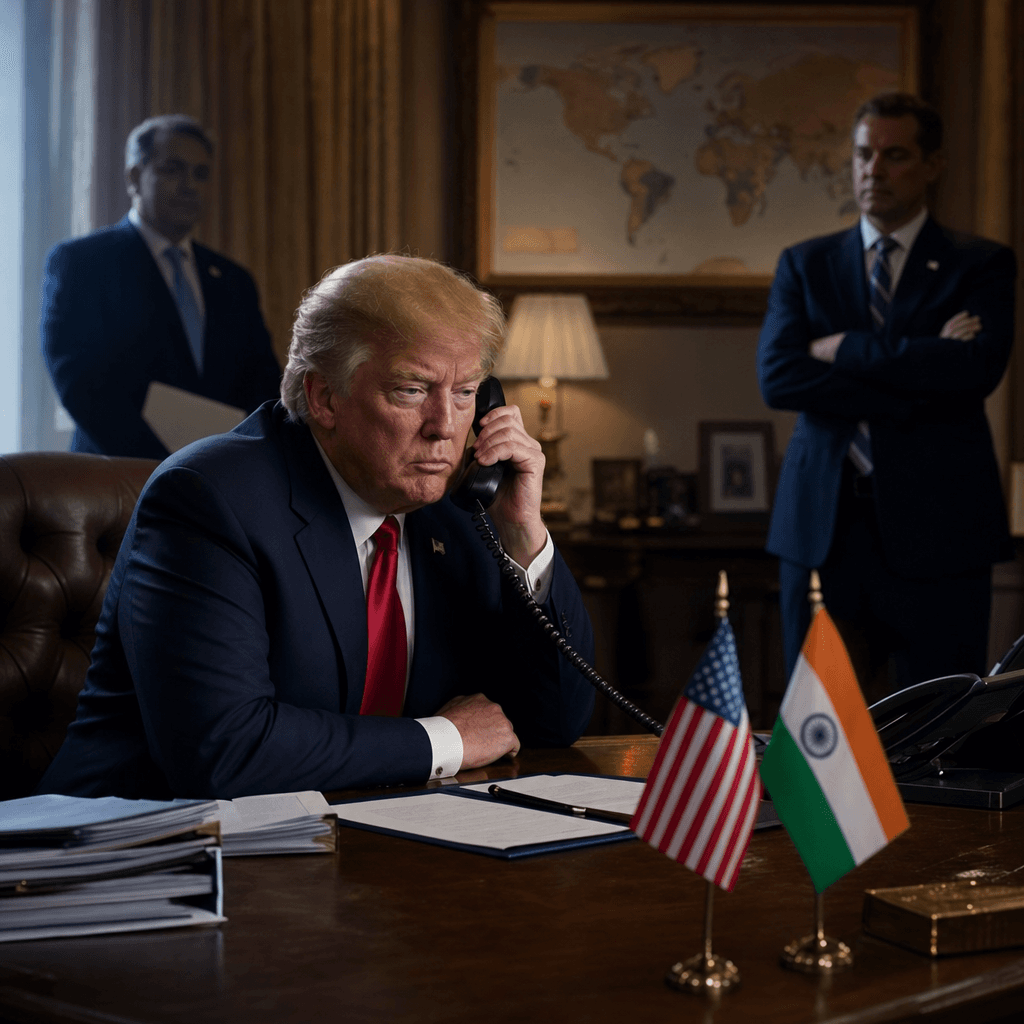
Trump’s Delhi Phone-In Signals Thaw
Trump's phone call to India signals a strategic thaw with Modi's government, hinting at warmer US-India relations even as unresolved trade tensions cloud ties.
India
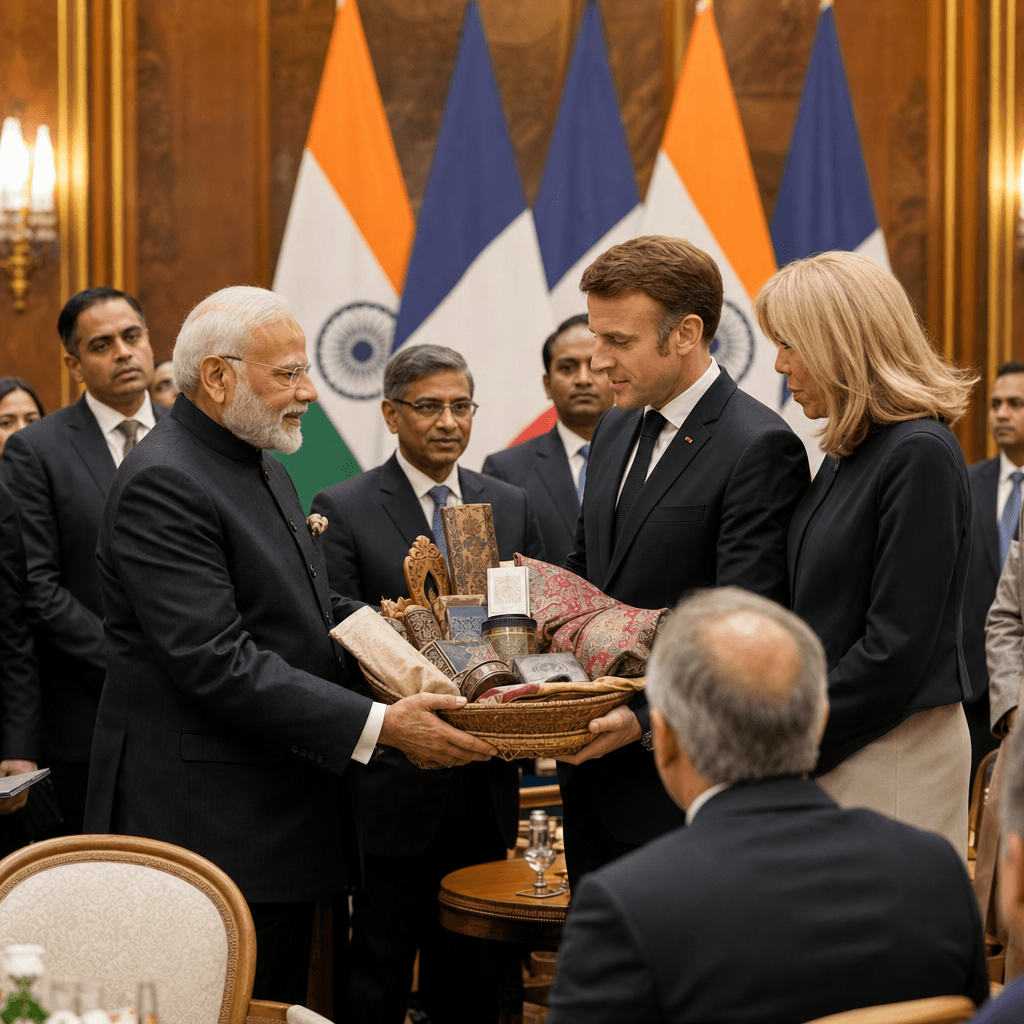
Modi's Gift Diplomacy Boosts India's Global T
Modi's gift diplomacy is turning India's regional brands and cultural heritage into trade leverage, showcasing local craft while courting deeper economic ties.
India
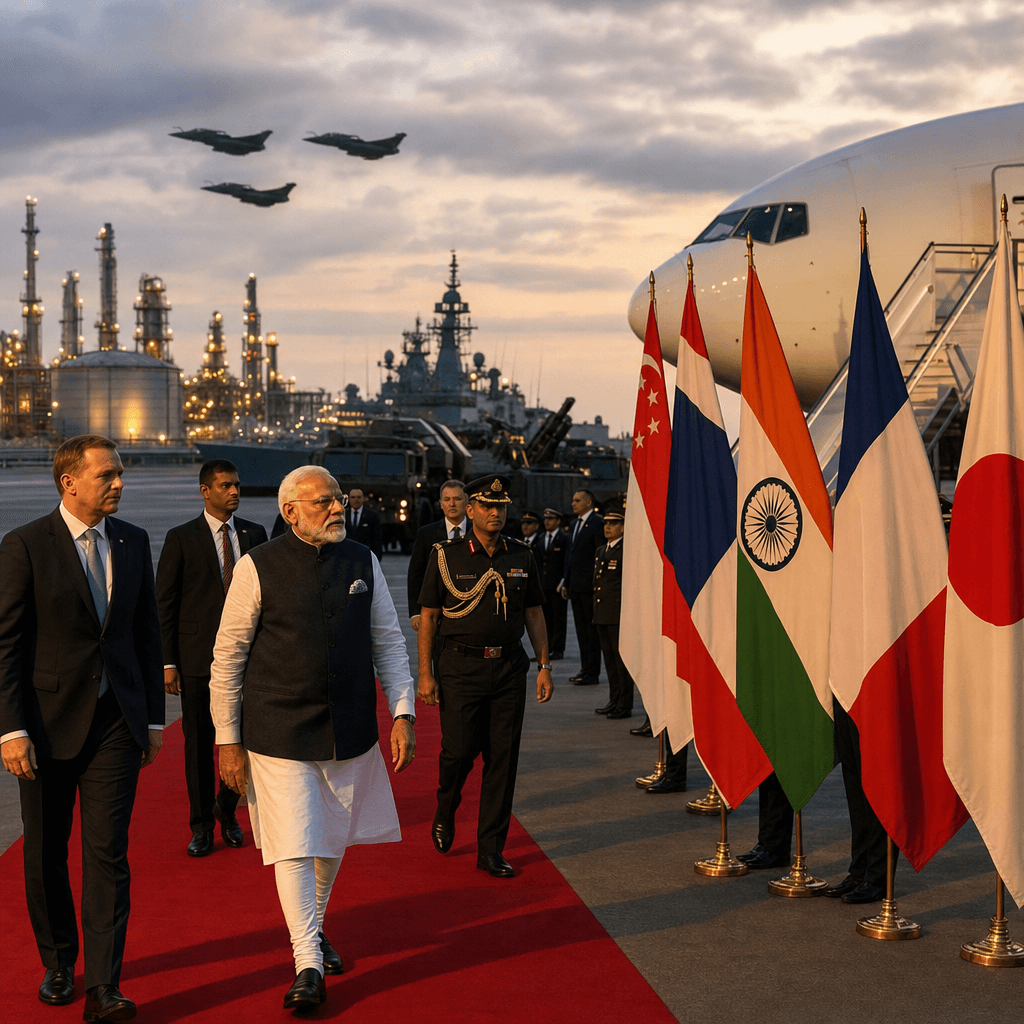
Modi's Tour Strengthens India's Energy, Tech,
Modi's five-nation tour was built to forge three shields for India, strengthening energy security, defense capabilities and semiconductor supply partnerships.

